Handling Public Tantrums Gracefully
Handling Public Tantrums Gracefully
When the World Becomes the Stage
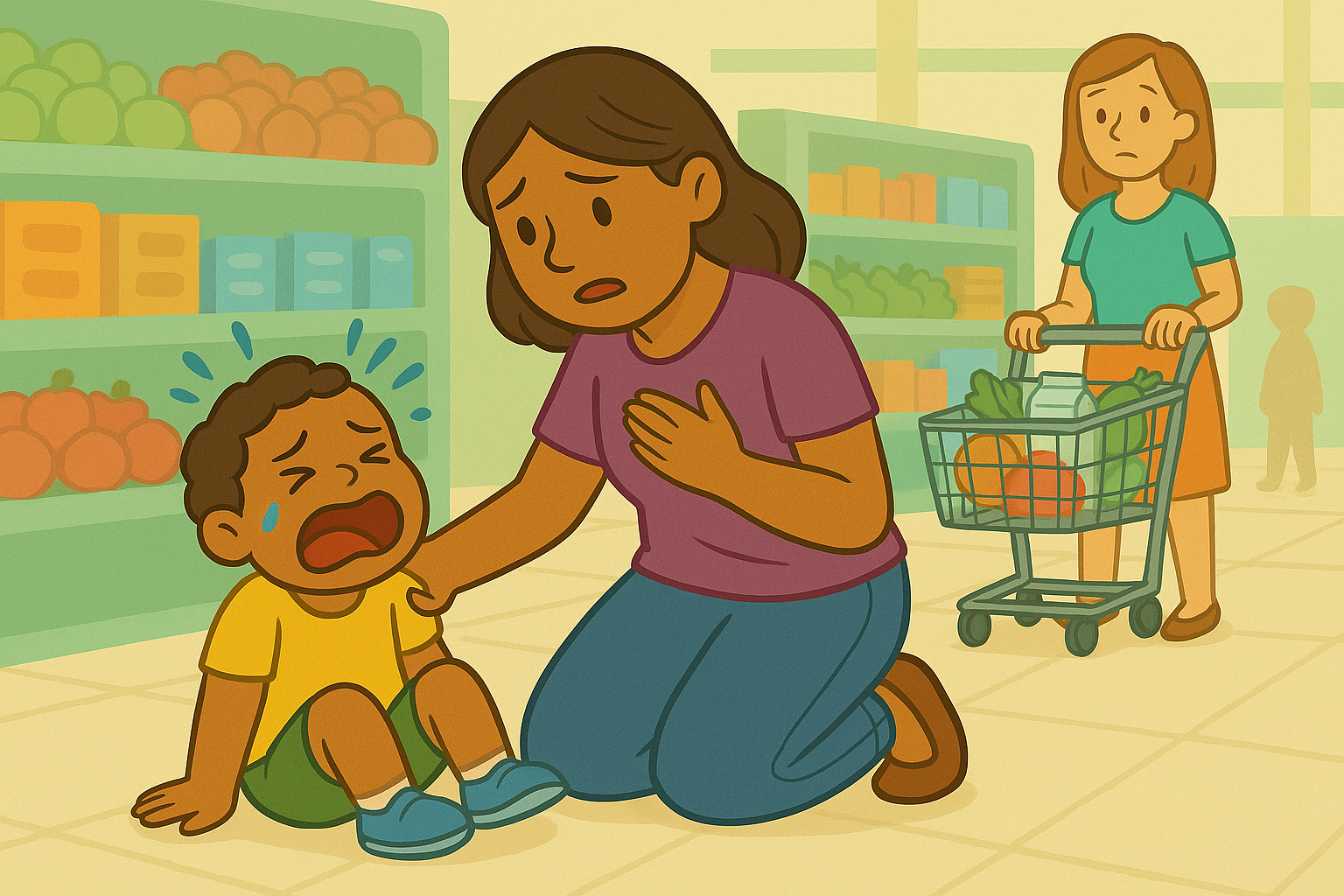
It’s every parent’s nightmare: your child collapses into tears in the middle of the grocery store, or starts screaming at the park, or refuses to leave the library. Strangers glance over. You feel your face flush. You just want to disappear.
Public tantrums can feel like the ultimate test of patience and composure — but they’re not a sign of bad parenting or a “difficult” child. They’re simply a young brain overwhelmed by emotion, in a place that offers no easy escape.
The key isn’t stopping the tantrum instantly, but handling it gracefully — with calm, connection, and confidence. This approach builds on the strategies in How to Stay Calm When Kids Refuse to Listen, where emotional steadiness becomes your most powerful tool.


Why Tantrums Happen (Especially in Public)
Tantrums are bursts of emotional overload. In public, they’re often triggered by sensory stimulation (noise, lights, crowds), transitions, or unmet expectations (“I wanted that toy!”).
Young children don’t yet have the neural wiring to manage disappointment or delay. Their emotions surge before reasoning can catch up — and the presence of onlookers amplifies everything.
Knowing this helps parents detach from embarrassment and focus on empathy. Tantrums aren’t power plays; they’re stress signals — just as explored in How to Help Kids Transition After a Meltdown, where calm recovery starts with understanding what’s underneath the behavior.
Step One: Regulate Yourself Before Reacting
When a tantrum erupts, your heart rate spikes. You might feel angry, anxious, or judged. But your reaction sets the tone for everything that follows.
Take a breath. Soften your expression. Lower your voice. Remember: your calm nervous system is your child’s best regulator.
If needed, remind yourself quietly, “This is temporary. My child needs help, not punishment.” That mindset shift — from control to guidance — echoes How to Discipline Without Shame, where empathy builds trust, even in high-stress moments.
Step Two: Prioritize Safety, Not Appearances
When the meltdown begins, your goal isn’t to save face; it’s to keep everyone safe. Step aside from crowds or move to a quieter space if possible.
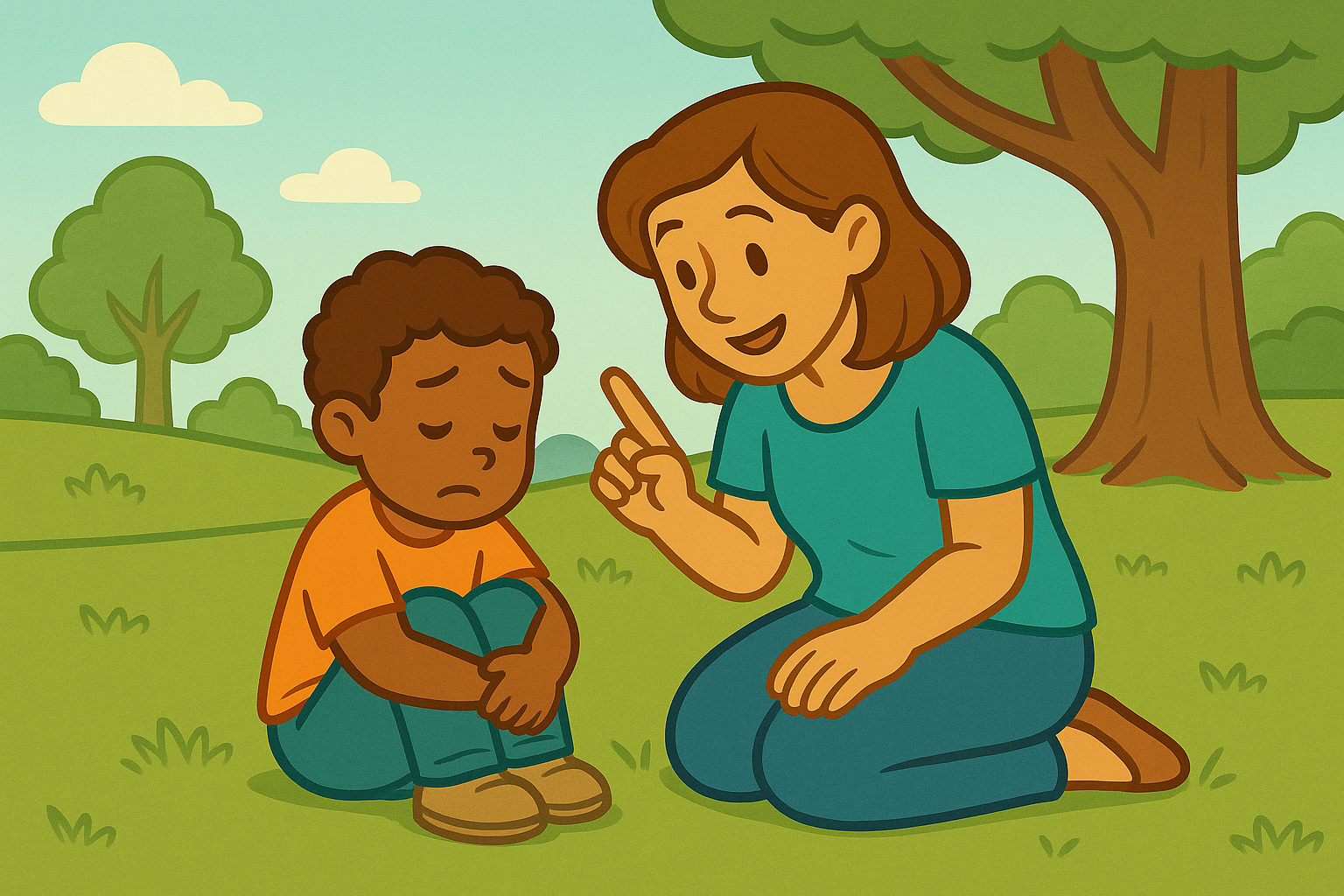
Kneel down to your child’s level. Keep your tone steady. Avoid yelling or threatening — those escalate fear. Instead, focus on containment: “You’re upset. I won’t let you hit or run. I’m here.”
Ignore the stares around you. Most people have been there — or will be one day. What your child remembers isn’t who was watching, but how you responded.
This protective, grounding approach mirrors Discipline Without Punishment: Real-Life Examples, where safety and empathy guide the response instead of embarrassment or control.
Step Three: Use Minimal Words During the Storm
During a full-blown tantrum, logic won’t work — the rational brain is offline. Instead of long explanations (“We already have cereal at home!”), keep your words short and calm:
“You’re safe.”
“I know you’re upset.”
“We’ll talk when you’re calm.”
Silence can be powerful too. Sometimes the best thing to say is nothing — your presence speaks enough.
This “less is more” communication style parallels The Role of Routine in Reducing Misbehavior, where predictability and calm cues replace chaos and confusion.
Step Four: Stay Close, Don’t Withdraw
It’s tempting to step back or ignore your child to avoid judgment, but distance can make the tantrum worse. Children don’t need isolation — they need reassurance that love remains even when they’re struggling.
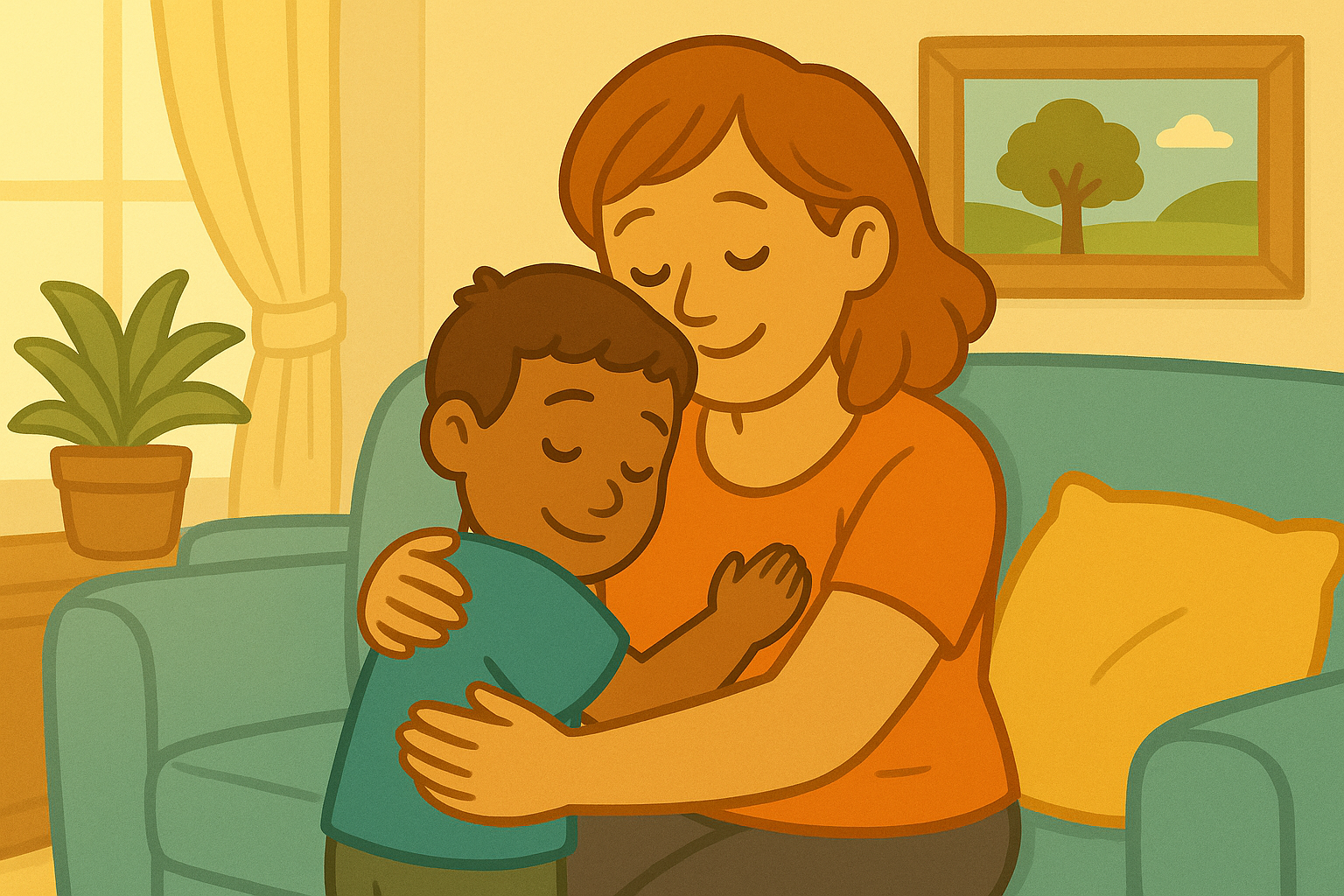
Stay nearby. If touch is welcome, offer a gentle hand or a hug. If not, simply say, “I’ll stay right here until you’re ready.”
This presence teaches emotional safety, a core concept shared in Rebuilding Connection After Conflict, where being “with” the child is what begins to heal, not scolding or separation.
Step Five: Avoid Bribery or Distraction
In public, parents often reach for quick fixes: “If you stop crying, I’ll buy you a cookie.” While this might stop the tantrum, it reinforces the idea that big emotions lead to rewards.
Instead, focus on soothing, not solving. Once your child is calm, you can redirect gently — “Let’s hold hands and finish shopping.”
This long-term approach reflects the teaching in Positive Reinforcement vs. Bribery, where genuine encouragement replaces transactional calm.
Step Six: Transitioning Out of the Tantrum
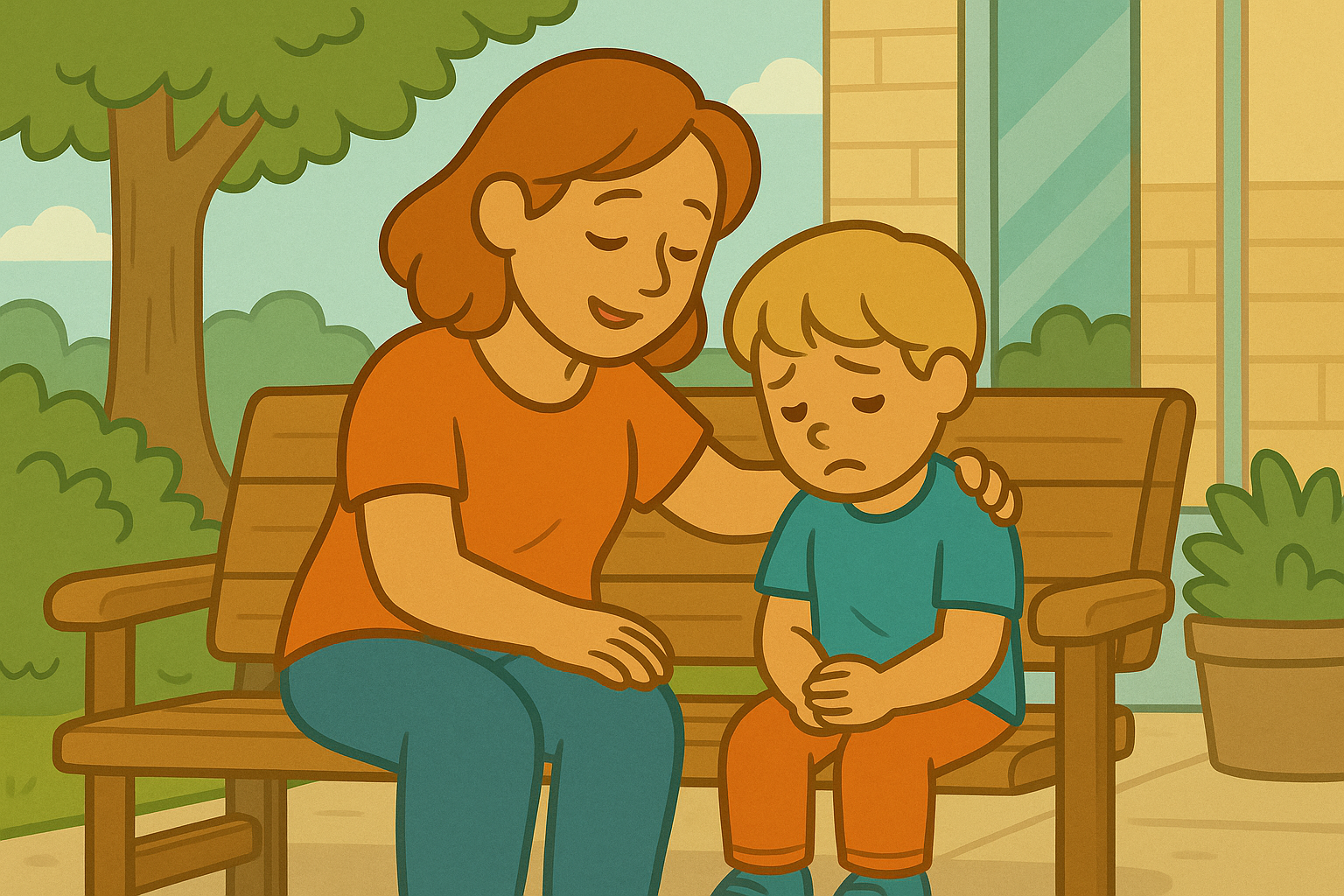
When your child begins to settle, shift your tone to quiet reassurance. Acknowledge what happened without shame:
“That was really hard.”
“You were mad because we couldn’t stay longer. That’s okay to feel.”
Avoid “See? That’s why you don’t get what you want.” The goal isn’t guilt — it’s reflection. Once your child is calm, offer a reset: “Let’s take a deep breath and start fresh.”
This repair-oriented dialogue ties directly to Teaching Apologies That Mean Something, where reflection leads to true growth and emotional understanding.
Step Seven: Debrief Later, Privately
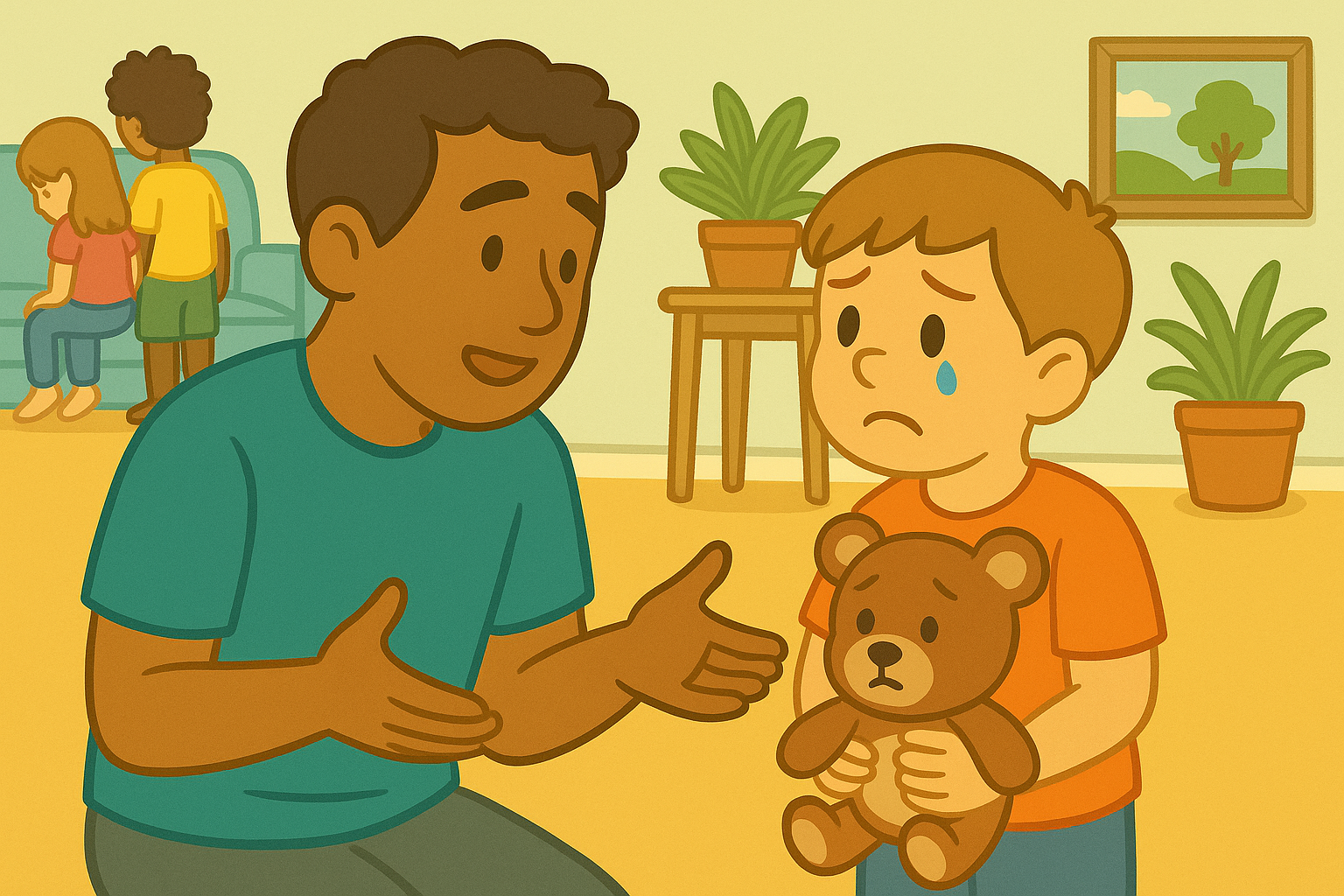
Once you’re home or in the car, you can revisit what happened in simple, age-appropriate language:
“You were upset when I said no at the store. What could we try next time when that happens?”
“When we use our calm voice, we can figure things out together.”
The key is reflection without shame. You’re teaching emotional awareness, not replaying guilt.
This skill-building mirrors Helping Kids Build Emotional Insight, where guided reflection strengthens emotional intelligence over time.
Step Eight: Plan Ahead to Prevent Public Meltdowns
Preparation is your best ally. Before outings, preview expectations clearly:
“We’re going to the store to buy food, not toys.”
“If you start feeling upset, let’s squeeze my hand instead of yelling.”
Bring snacks, comfort items, or a small distraction for long errands. Predictable routines and realistic timing (not running errands right before nap) prevent many meltdowns before they start.
These prevention strategies align with Preventing Power Struggles Over Meals, where planning and communication reduce emotional flare-ups.
Step Nine: Redefine “Success” in Public
Handling public tantrums gracefully doesn’t mean stopping them fast — it means staying calm, kind, and consistent. Success looks like walking through the experience without shame, teaching your child that emotions are safe and manageable.
The more calmly you handle public tantrums, the more resilient your child becomes. Over time, meltdowns decrease — not because you’ve silenced emotions, but because your child has learned to trust them.
That’s the quiet, powerful magic of parenting with empathy — the same core message woven through Consequences That Teach (Not Punish), where love, not fear, becomes the greatest motivator.
Public tantrums test every parent’s patience, but they’re also opportunities to model composure, compassion, and strength. When you respond with calm instead of control, presence instead of punishment, you show your child that big feelings aren’t dangerous — they’re human. And in that lesson lies the foundation for empathy, resilience, and lasting trust.
This content is for educational purposes and is not a substitute for professional medical or psychological advice.