Playful Parenting Techniques That Encourage Cooperation
Playful Parenting Techniques That Encourage Cooperation

Why Play Works Better Than Power
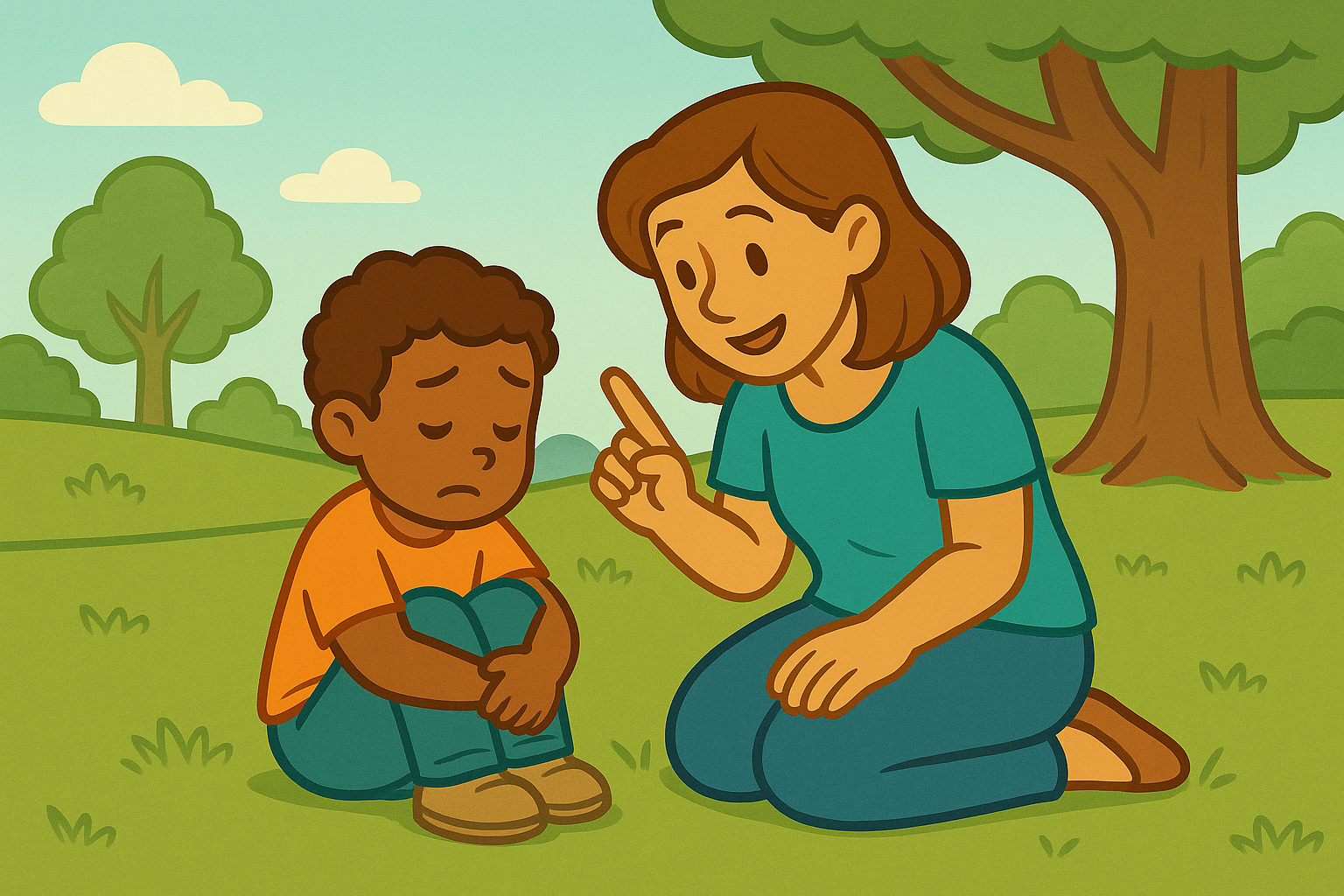
When kids resist, argue, or ignore instructions, our instinct is often to tighten control — to repeat commands or raise our voice. But what children often need most isn’t stricter enforcement; it’s connection.
Playful parenting uses joy and imagination to bridge that gap. It turns resistance into cooperation by meeting kids where they naturally thrive — in moments of laughter, creativity, and shared fun.
Play transforms tension into teamwork. It’s the same spirit that underlies Teaching Respect Through Play, where emotional growth happens most easily when kids feel connected and safe.


The Science Behind Playful Cooperation
Play isn’t just fun — it’s how children learn. Neuroscience shows that during play, stress hormones drop, while oxytocin and dopamine rise — chemicals that build trust, focus, and motivation.
When parents use playful tones, silly voices, or games to guide behavior, children’s brains shift from “defense” mode to “connection” mode. That’s when cooperation becomes natural.
This science-backed approach aligns with How to Discipline Without Shame, where connection replaces control and laughter opens the door to learning.
Shifting From Commands to Connection
Instead of, “Put your shoes on right now,” try turning it into a playful moment:
“Let’s race to see who can put shoes on first!”
“Do your shoes go on your hands? Nooo — they go on your feet!”
This small change signals, “We’re in this together.” Kids who feel connected to you are far more likely to cooperate.
This connection-first approach echoes How to Stay Calm When Kids Refuse to Listen, where emotional presence becomes more effective than authority alone.
Using Humor to Defuse Power Struggles
Laughter is a natural pressure release. When tension rises, a bit of humor can dissolve defiance faster than any lecture.
If your child resists cleaning up, try saying:
“Oh no, the cleanup robot is out of batteries — can you help charge it with your dance moves?”
It’s not about being a clown; it’s about using levity to re-engage their brain’s cooperation circuits. Humor softens defenses — a principle also at play in Encouraging Empathy During Playtime Conflicts, where fun helps restore connection after frustration.
Turning Routines Into Games
Predictable routines are essential — but they don’t have to feel rigid. Adding playfulness keeps kids motivated and helps transitions flow smoothly.
Try:
Morning routine challenge: “Let’s beat the clock and get dressed before the timer buzzes!”
Cleanup song: “Who can find all the red toys first?”
Bedtime routine dice: Roll a die to see if storytime comes before or after teeth brushing.
Structure with play mirrors the calm predictability described in The Role of Routine in Reducing Misbehavior, where rhythm becomes comfort rather than control.
Role-Play as a Tool for Empathy
Children learn best through imitation. Role-play lets them explore perspectives — parent, teacher, friend — in a light, safe way.
You might say, “Let’s switch roles! You be the parent and remind me to clean up.”
When kids take your role, they often express surprising insight and giggles — plus, they feel empowered rather than corrected.
This mirrors Using Puppet Shows to Model Apologies and Forgiveness, where creative expression helps kids understand feelings from both sides.
Movement Breaks for Reconnection
Sometimes “bad behavior” is just bottled-up energy. Kids can’t cooperate if their bodies are begging for motion.
Before transitions, try adding short movement breaks:
“Let’s hop to the bathroom like bunnies.”
“Can we carry this laundry like strong superheroes?”
“Time to stretch like tall trees!”
These playful shifts re-regulate their nervous system, turning chaos into calm action — much like the sensory resets described in How to Help Kids Transition After a Meltdown.
Play as Emotional Release
When children act out, they often carry unspoken worries. Rough-and-tumble play, pillow fights, or silly chases let them release pent-up emotions in a safe, connected way.
For instance, if your child’s been clingy or defiant after preschool, a few minutes of chase play where they “capture the parent” can rebuild confidence and ease tension.
This kind of physical laughter therapy complements Rebuilding Connection After Conflict, where repair happens not through words, but through closeness and shared energy.
Letting Kids Take the Lead
True play means surrendering some control. When children feel free to direct the play, they practice decision-making, problem-solving, and leadership.
Ask open-ended questions:
“What should our next mission be?”
“Who should our team help today?”
“What kind of silly rule should we add to the game?”
This helps children feel respected — a form of empowerment that builds trust, just like the autonomy encouraged in When Kids Say ‘No’: Understanding Autonomy.
Repairing Cooperation After a Power Struggle
Even with the best intentions, parents and kids sometimes clash. After the tears or yelling fade, playful reconnection can heal the rupture.
Try drawing a “repair heart” together, or say, “Let’s press our reset buttons!” and pretend to reboot like robots. A small dose of silliness can restore emotional safety faster than lectures.
This emotional repair technique mirrors Teaching Apologies That Mean Something, where meaningful reconnection teaches empathy and accountability.
Making Playful Parenting a Daily Mindset
Playful parenting isn’t about turning everything into a game. It’s about remembering that connection fuels cooperation — and that joy, humor, and curiosity are your best tools for discipline.
When laughter fills the gap where power struggles used to live, children not only listen better — they feel better. And when they feel safe, they grow into the kind, confident, emotionally balanced people we hope they’ll become.
This joyful philosophy ties back to How to Build Self-Discipline in Young Kids, where emotional safety, not control, creates lasting inner strength.
Play is the language of childhood — and when parents learn to speak it, cooperation blossoms naturally. By using humor, imagination, and lighthearted connection, you replace conflict with creativity and defiance with delight. Every giggle becomes a bridge toward trust, understanding, and lifelong emotional intelligence.
This content is for educational purposes and is not a substitute for professional medical or psychological advice.