Teaching Cause and Effect Through Natural Outcomes
Teaching Cause and Effect Through Natural Outcomes

The Power of Cause and Effect in Child Development
One of the greatest lessons in early childhood is understanding that actions have consequences. This isn’t about punishment or control — it’s about helping children connect choices to outcomes in a safe, consistent way.
When kids begin to notice that “what I do affects what happens,” they start developing responsibility, problem-solving, and empathy.
This gentle, learning-based approach reflects the ideas explored in Consequences That Teach (Not Punish), where natural results replace artificial discipline.


Why Natural Outcomes Work Better Than Punishment
Punishment often relies on fear — taking away privileges, adding shame, or delivering harsh consequences unrelated to the behavior. Natural outcomes, by contrast, happen organically and logically.
If a child refuses to wear a coat, they feel chilly. If they leave toys outside, the toys might get wet. These experiences teach far more effectively than lectures.
This understanding aligns with How to Discipline Without Shame, where children learn accountability through empathy, not embarrassment.
Building the Foundation of Trust
For natural outcomes to work, children must trust their parents. Kids need to know that adults will keep them safe while allowing small, real-world lessons to unfold.
It’s a delicate balance: you’re not abandoning them to failure, but also not rescuing them too quickly.
This trust-building mirrors the process described in Setting Boundaries with Love and Consistency, where warmth and follow-through create both safety and respect.
Distinguishing Natural from Logical Consequences
Not every situation allows for purely natural outcomes. That’s where logical consequences come in — outcomes that adults create, but that still connect directly to the behavior.
For example:
If a child spills juice, they help clean it.
If they refuse to share, playtime may pause until everyone’s ready to cooperate.
These logical links make sense to children and build reasoning skills. This strategy complements Discipline Without Punishment: Real-Life Examples, where consistency helps children learn through fairness, not control.
Learning Through Experience, Not Fear
Children’s brains learn best through experience. When parents allow small, manageable mistakes, kids get to experiment safely — and their brains make lasting connections between cause and effect.
For instance:
A preschooler who forgets their lunch once learns to pack it next time.
A kindergartner who rushes homework and has to redo it later learns patience.
This gentle guidance reflects The Role of Emotional Regulation in Discipline, where self-control grows through awareness and repetition, not reprimand.
The Parent’s Role: Calm Observation
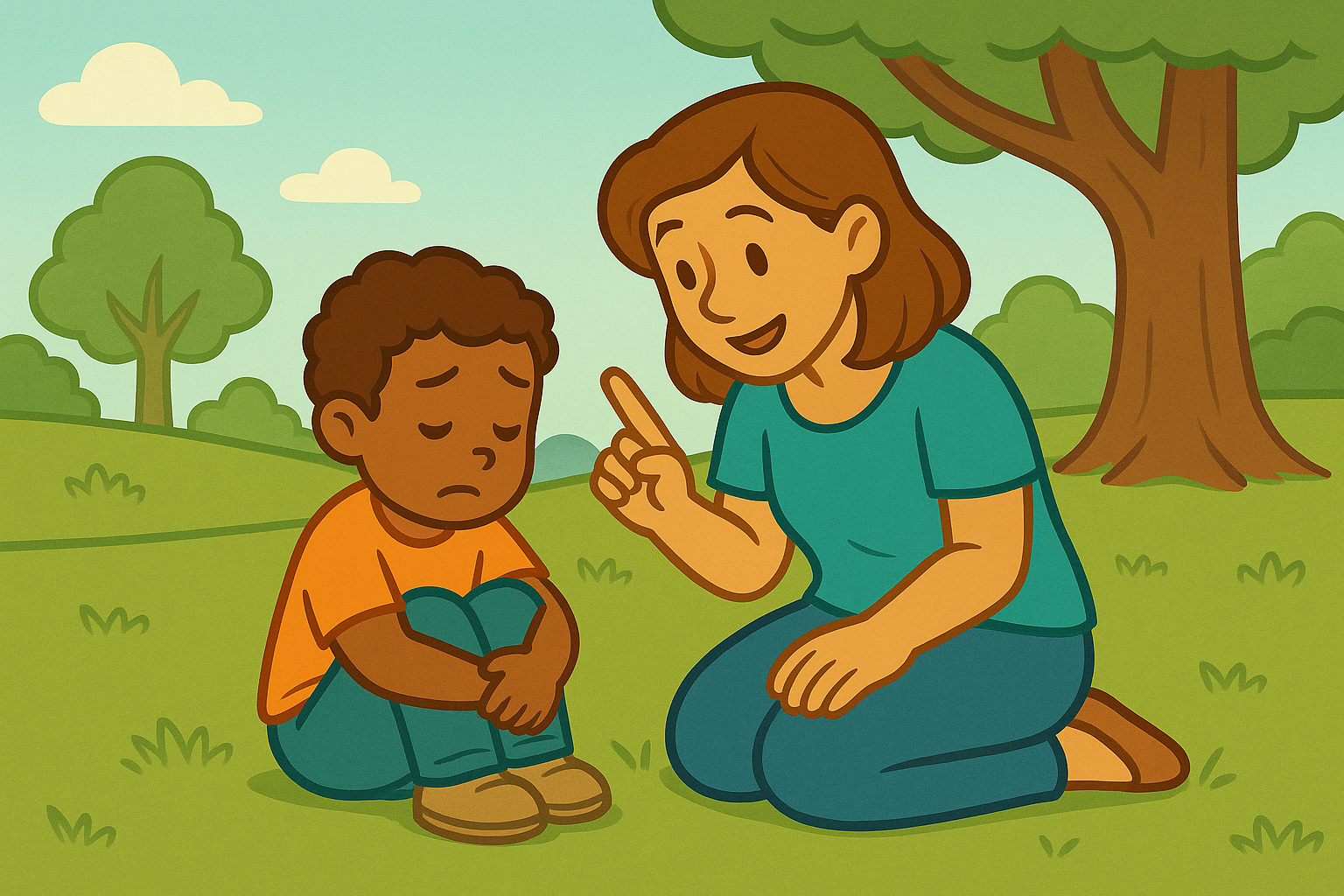
It can be hard for parents to step back and let natural outcomes unfold. Our instinct is to protect or fix — but doing so robs children of valuable lessons.
The goal is to stay nearby and supportive, not punitive. You might say:
“You chose not to wear boots. Let’s remember how cold your feet felt for next time.”
“The paint dried because you didn’t close the lid. Want to try again tomorrow?”
This calm approach aligns with How to Stay Calm When Kids Refuse to Listen, where patience becomes the most powerful teaching tool.
Teaching Reflection After the Outcome
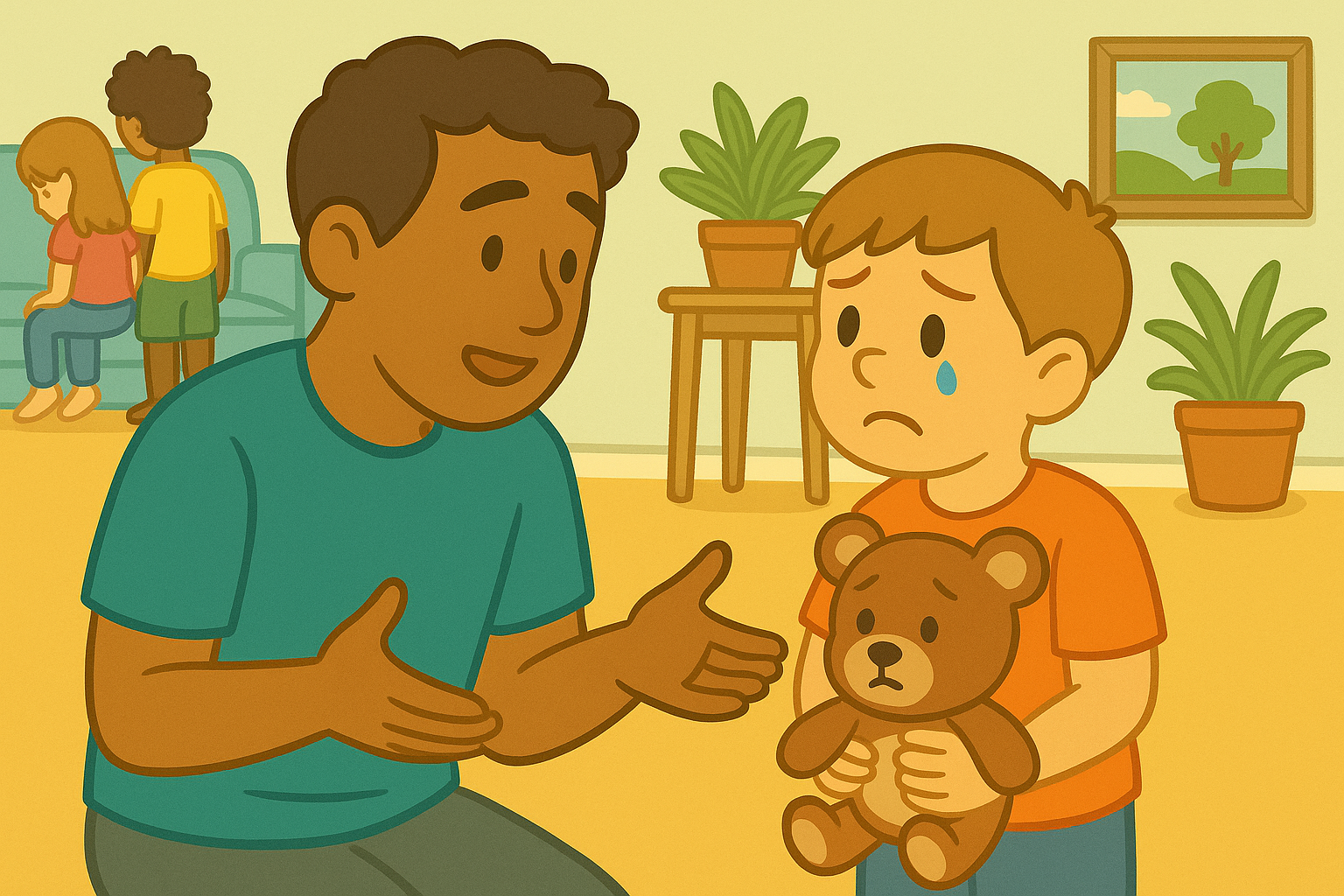
Once the natural consequence occurs, the learning moment begins. Reflection helps kids connect feelings to choices.
Ask gentle questions like:
“What happened when you left your snack on the table?”
“What could you do differently next time?”
These questions turn mistakes into insight — not shame. This reflective strategy matches Helping Kids Develop a Healthy Inner Voice, where curiosity replaces criticism and builds emotional maturity.
Balancing Empathy with Accountability
Empathy doesn’t mean erasing consequences. It means helping your child feel supported while still holding them responsible for their choices.
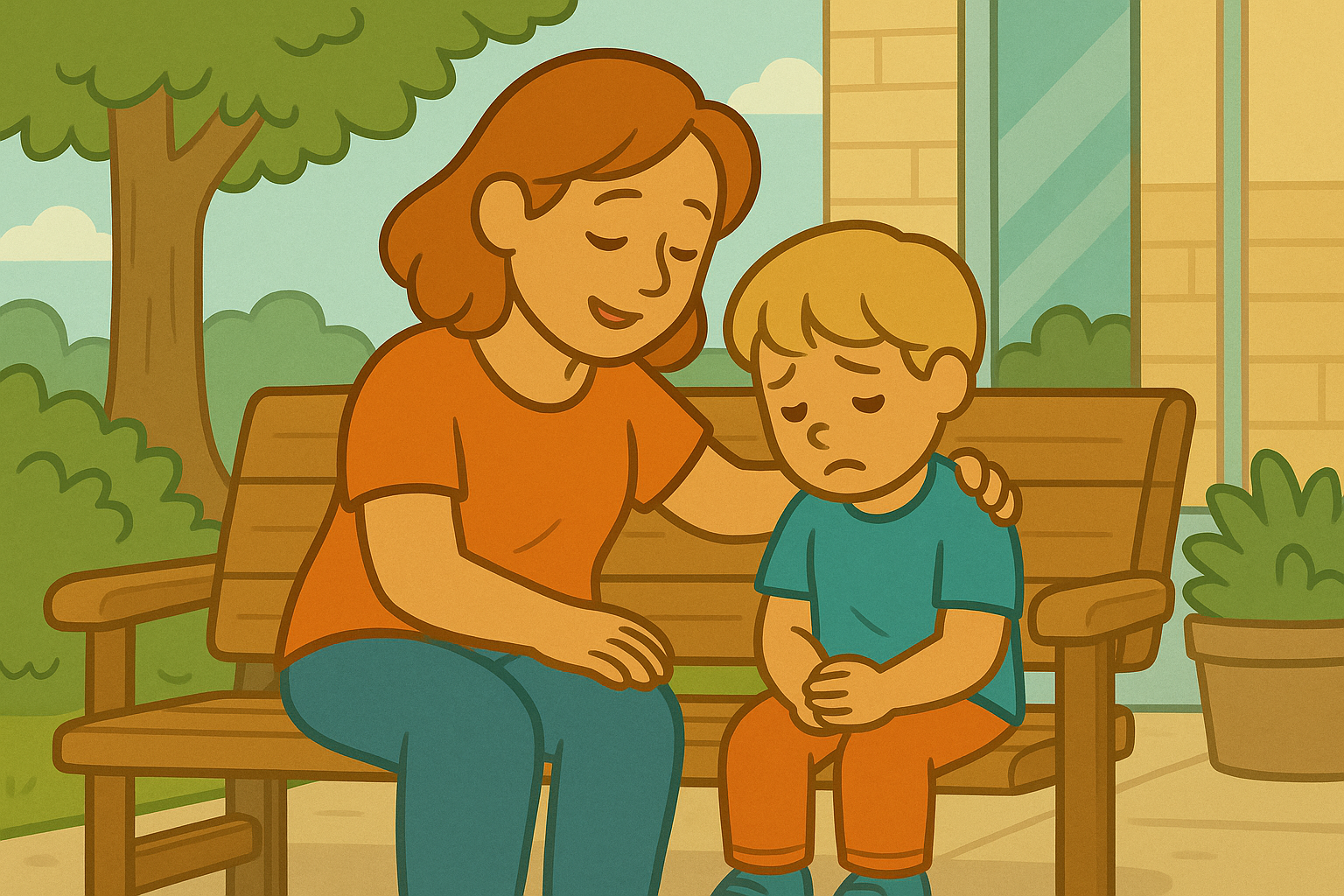
You might say, “I know you’re upset that your toy broke, and that’s hard. Let’s think about how to take care of it next time.”
Empathy validates feelings without dismissing responsibility — a delicate balance also explored in Rebuilding Connection After Conflict, where emotional repair strengthens learning.
When to Step In (and When to Step Back)
Not every “natural outcome” is safe to allow. If the potential consequence could cause harm — physical, emotional, or relational — it’s time for guidance, not exposure.
Parents can ask themselves:
“Is this mistake safe to learn from?”
“Will this outcome teach the lesson without damaging trust?”
This thoughtful discernment parallels When to Seek Help for Behavior Issues, where awareness of limits ensures children learn safely within their developmental boundaries.
How Natural Outcomes Foster Long-Term Responsibility
When kids consistently experience the real-world effects of their actions, they begin to anticipate them. Over time, this internalizes self-discipline.
They start thinking, If I don’t do my homework now, I’ll have less time to play later. That internal voice is self-regulation in action.
This natural maturation process reflects the journey described in How to Build Self-Discipline in Young Kids, where gradual independence builds lifelong accountability.
Discipline as Guidance, Not Control
When parents shift from control to guidance, discipline becomes an act of teaching. Children stop seeing rules as punishments and start viewing them as tools for navigating life.
They learn:
My choices matter.
I can fix mistakes.
I’m capable of learning and improving.
This transformation echoes Teaching Respect Without Fear, where leadership through empathy creates both cooperation and confidence.
Natural outcomes allow children to see life as a teacher — one that’s fair, consistent, and deeply respectful. When parents step back just enough to let kids experience the real effects of their actions, they nurture responsibility, resilience, and emotional intelligence. With love as the foundation, every spilled cup or forgotten jacket becomes an opportunity to grow wiser, more aware, and more confident — one natural lesson at a time.
This content is for educational purposes and is not a substitute for professional medical or psychological advice.