Managing Allergies and Food Sensitivities
Managing Allergies and Food Sensitivities

For families managing food allergies or sensitivities, every meal can feel like both a celebration and a challenge. Parents must balance nutrition, safety, and inclusion while helping kids feel confident—not fearful—about what they eat.
This guide explores how to navigate allergies with calm and structure, helping your child stay safe, nourished, and empowered to enjoy food without anxiety.


Understanding the Difference Between Allergies and Sensitivities
The first step in managing food issues is understanding the distinction between allergies, intolerances, and sensitivities—each affects the body differently.
Food allergies involve the immune system. The body reacts to certain foods (like peanuts, eggs, or milk) as if they were harmful, which can lead to hives, swelling, or more serious reactions.
Food intolerances (such as lactose intolerance) affect digestion rather than immunity, causing discomfort but not life-threatening reactions.
Food sensitivities are more subtle, often involving inflammation, fatigue, or behavior changes after eating specific foods.
Knowing which applies to your child helps guide both prevention and emotional response.
Getting a Clear Diagnosis
Guessing about food reactions can lead to unnecessary restrictions or worry. Clarity starts with observation and collaboration. Keep a brief food diary for two to three weeks, noting what your child eats and any symptoms. Share these notes with your pediatrician or allergist, who can recommend safe testing methods.
Helpful steps in the diagnostic process include:
Consulting with a pediatrician or allergist early.
Using elimination diets only under professional guidance.
Reviewing ingredient lists regularly—formulas and manufacturing can change.
A professional diagnosis brings relief, replacing uncertainty with structure and confidence.
Creating a Safe and Supportive Kitchen
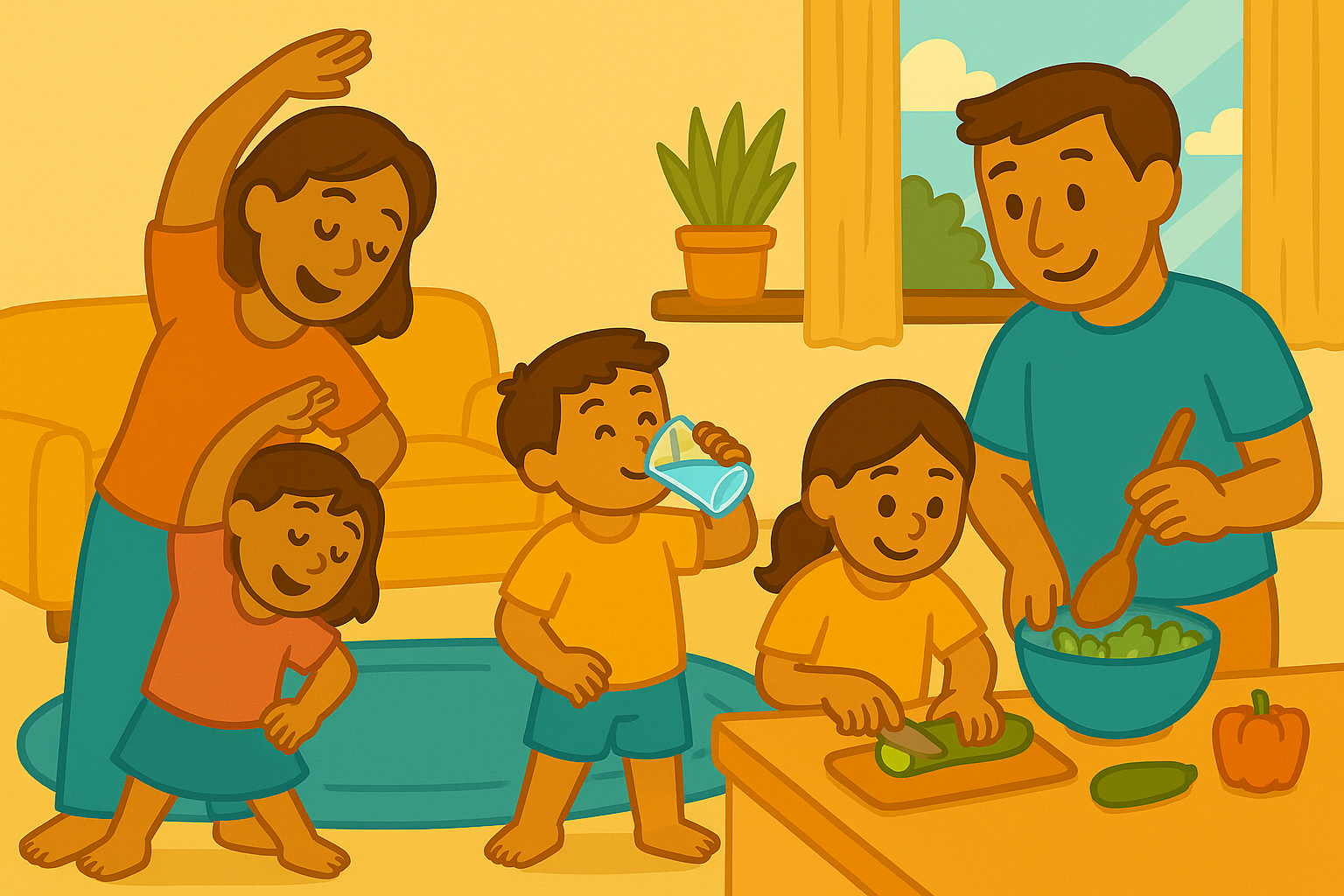
Your kitchen is your foundation for allergy safety. Start by designating allergen-free zones or shelves and labeling foods clearly. Use separate cutting boards, utensils, and containers when needed to prevent cross-contact. Even small details—like washing hands after handling allergenic foods—make a big difference.
Equally important is atmosphere. A calm, organized kitchen communicates to children that food preparation is safe and predictable. You’re teaching them that health isn’t about fear, but mindfulness—a key part of the independence emphasized in Using Choices to Build Autonomy and Respect.
Making Mealtime Calm and Predictable
Children thrive on routine. When food allergies enter the picture, predictability helps them relax. Keep meal and snack times steady, and serve familiar dishes regularly alongside small new additions to build confidence.
Avoid turning meals into lectures about allergies. Instead, focus on conversation, connection, and joy at the table. You might even say, “We all eat what helps our bodies feel strong.” That message fosters belonging—and teaches that everyone has different needs, just as they do in Healthy Meals and Snacks for Busy Families.
Teaching Kids About Their Own Allergies
Education is empowerment. From an early age, talk about allergies in simple, neutral terms. For instance, “This food makes your body itchy, so we choose other foods that help you feel good.” Encourage curiosity by showing them how to check labels or pack safe snacks.
As your child grows, practice small but powerful skills:
Saying “No, thank you” politely when offered unsafe food.
Asking an adult before eating something new.
Recognizing their safe foods visually.
Telling friends or teachers calmly about their allergy.
When knowledge becomes habit, safety becomes second nature—and confidence replaces anxiety.
School Days and Lunchbox Confidence
School introduces shared tables, snacks, and celebrations, but preparation keeps your child safe and included. Talk with teachers early in the year and provide clear written instructions on what to do in case of exposure. Offer a copy of your child’s allergy action plan to the nurse and principal too.
When packing lunches, stick to foods your child enjoys and recognizes. Small, colorful compartments help them feel ownership and excitement. Homemade versions of favorite treats—muffins, wraps, or snack bars—help them feel included without extra attention.
By preparing together, you teach your child that school meals can be safe and fun.
Navigating Social Events Without Stress
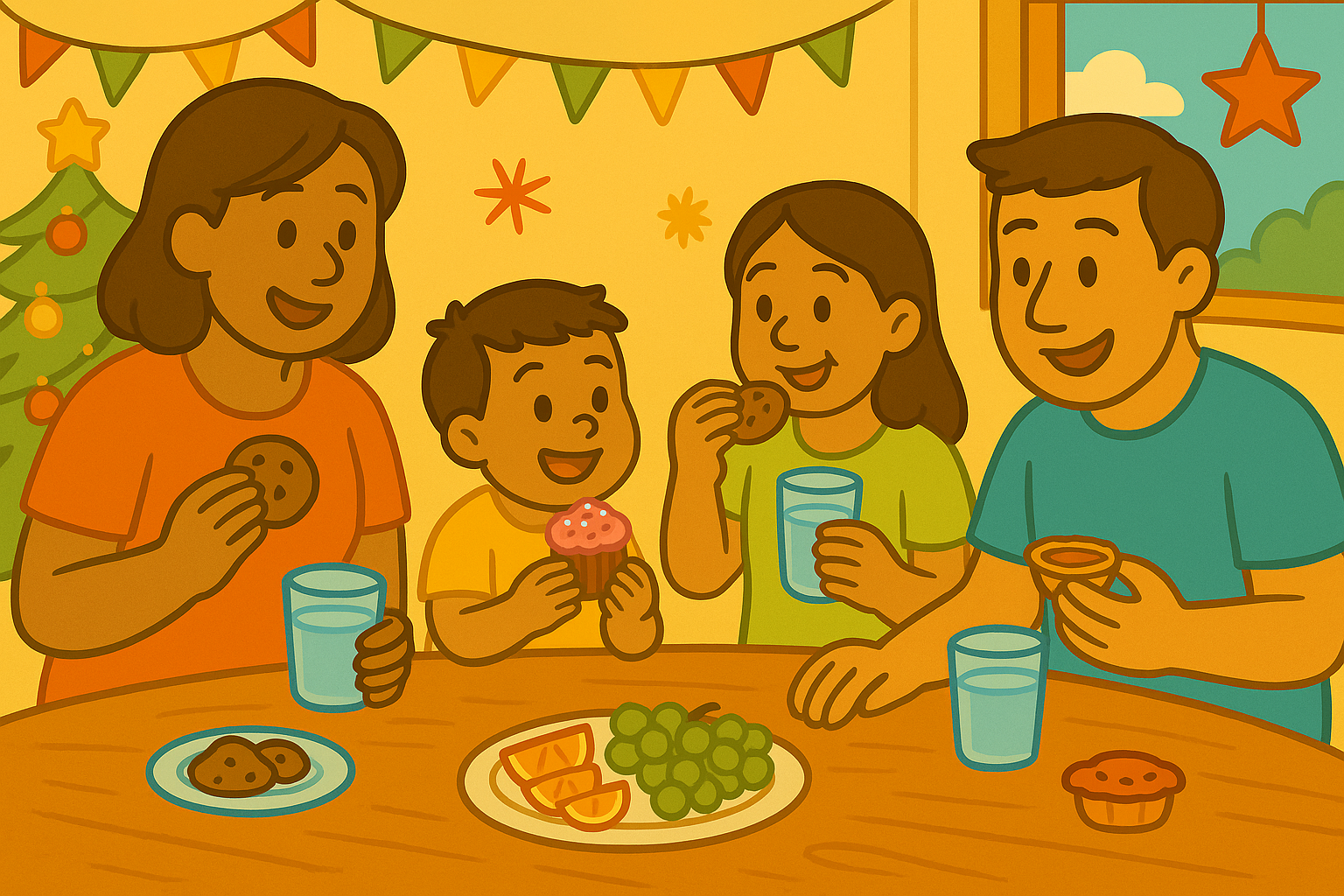
Birthday parties, potlucks, and family gatherings often revolve around food, which can spark worry. Planning and communication make these experiences smooth and joyful.
Call hosts ahead to ask about the menu or offer to bring a dish. Feed your child a snack before the event so they’re not hungry if options are limited. Teach them to ask, “Does this have [their allergen]?” instead of staying silent.
Most importantly, keep the focus on fun. Talk about games, music, and friends—not just food. These experiences teach kids that their allergy is just one small part of who they are, not the centerpiece of their identity.
Handling Accidental Exposures with Calm Confidence
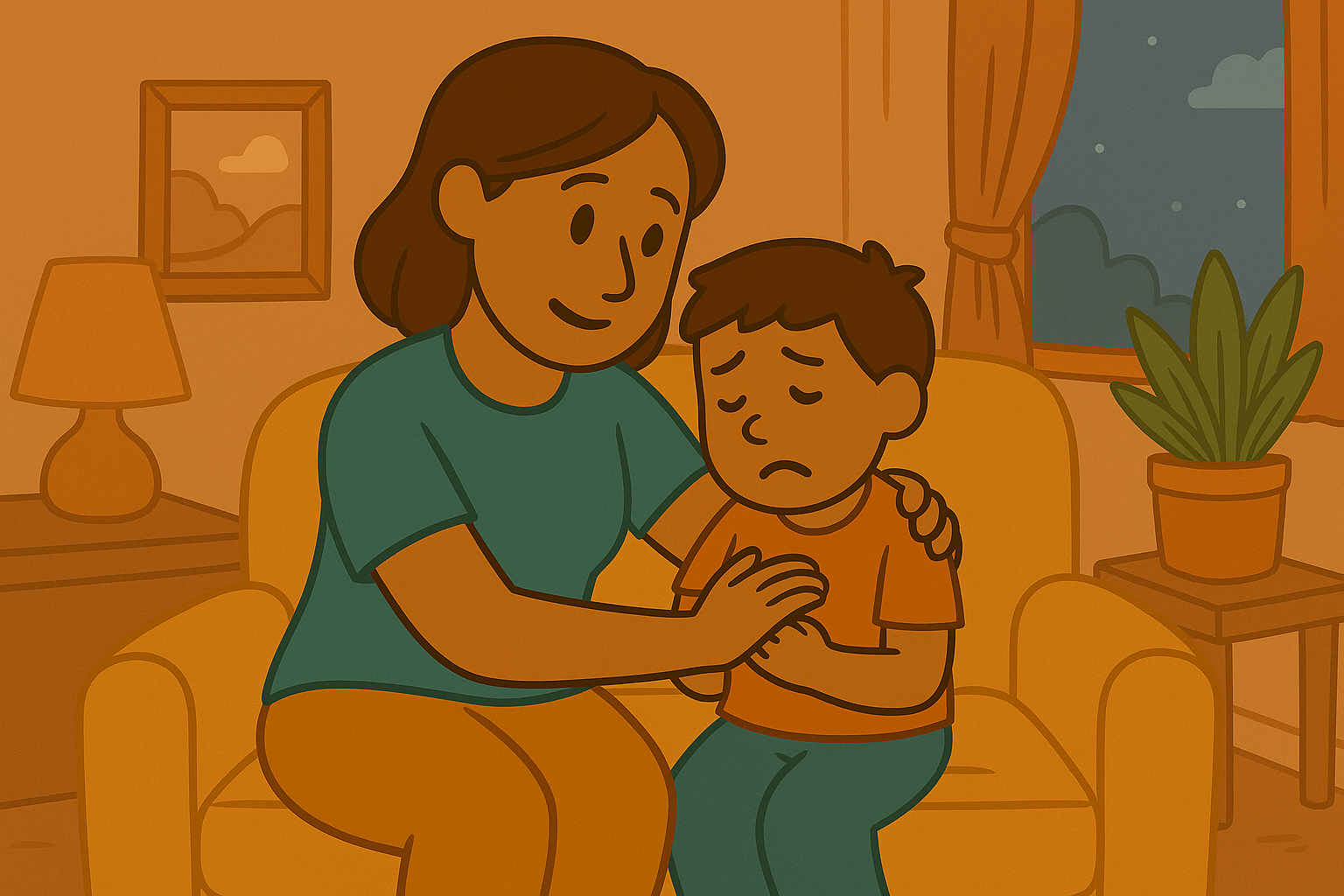
Even with careful planning, mistakes happen. The most important thing is to stay calm. Children take emotional cues from parents, so your steady tone makes all the difference.
If exposure occurs, follow your child’s treatment plan right away—whether that’s antihistamines or an epinephrine auto-injector. Call emergency services if symptoms worsen. While waiting, offer gentle reassurance: “We know what to do, and you’re safe.”
Afterward, talk about what went well and what can improve next time. These conversations strengthen trust and preparedness—mirroring the calm, empathy-driven problem-solving found in Encouraging Empathy Through Consequences.
Nurturing Emotional Health Around Food
Allergies can sometimes make kids feel left out, especially during celebrations or holidays. That’s why emotional reassurance is just as important as dietary safety.
Normalize differences by saying, “Everyone’s body needs different things.” Include your child in cooking and grocery shopping. Let them pick new safe foods to try, and celebrate their curiosity. The goal isn’t to make food a source of worry—it’s to make it a place of discovery, connection, and pride.
Coordinating with Family and Caregivers
Grandparents, babysitters, and family friends all want to help but may need clear guidance. Explain safety rules kindly and show them how to prepare food or use emergency medication. Keep safe snacks stocked in their homes, and leave a printed “cheat sheet” with reminders and phone numbers.
When everyone feels capable and informed, your child senses that support network—and feels safer in more places. That sense of community helps build emotional security alongside physical safety.
Growing Into Confidence and Freedom
Managing allergies can feel daunting at first, but over time it becomes second nature. As your child matures, include them in planning meals, reading labels, and talking with servers at restaurants.
Celebrate milestones—first safe restaurant meal, first overnight camp, first family trip abroad. These moments are proof that safety and independence can grow side by side. Allergy management isn’t just about avoiding risk—it’s about raising confident, self-aware kids who know how to protect themselves and live joyfully within their boundaries.
This content is for educational purposes and is not a substitute for professional medical or psychological advice.