Safe Water Play: Tips for Parents
Safe Water Play: Tips for Parents

Water play brings joy, sensory exploration, and countless developmental benefits for children. From splashing in the tub to jumping through sprinklers or swimming at the pool, water invites laughter and learning.
But it also comes with real safety responsibilities — even shallow water can pose risks if supervision or setup falls short. The good news: with the right balance of awareness and playfulness, water play can remain one of the safest and happiest parts of childhood.


Why Water Play Is So Valuable
Before focusing on safety, it’s worth remembering why water play matters. Water-based activities engage nearly every sense, support gross and fine motor development, and teach early science concepts like pouring, sinking, and floating.
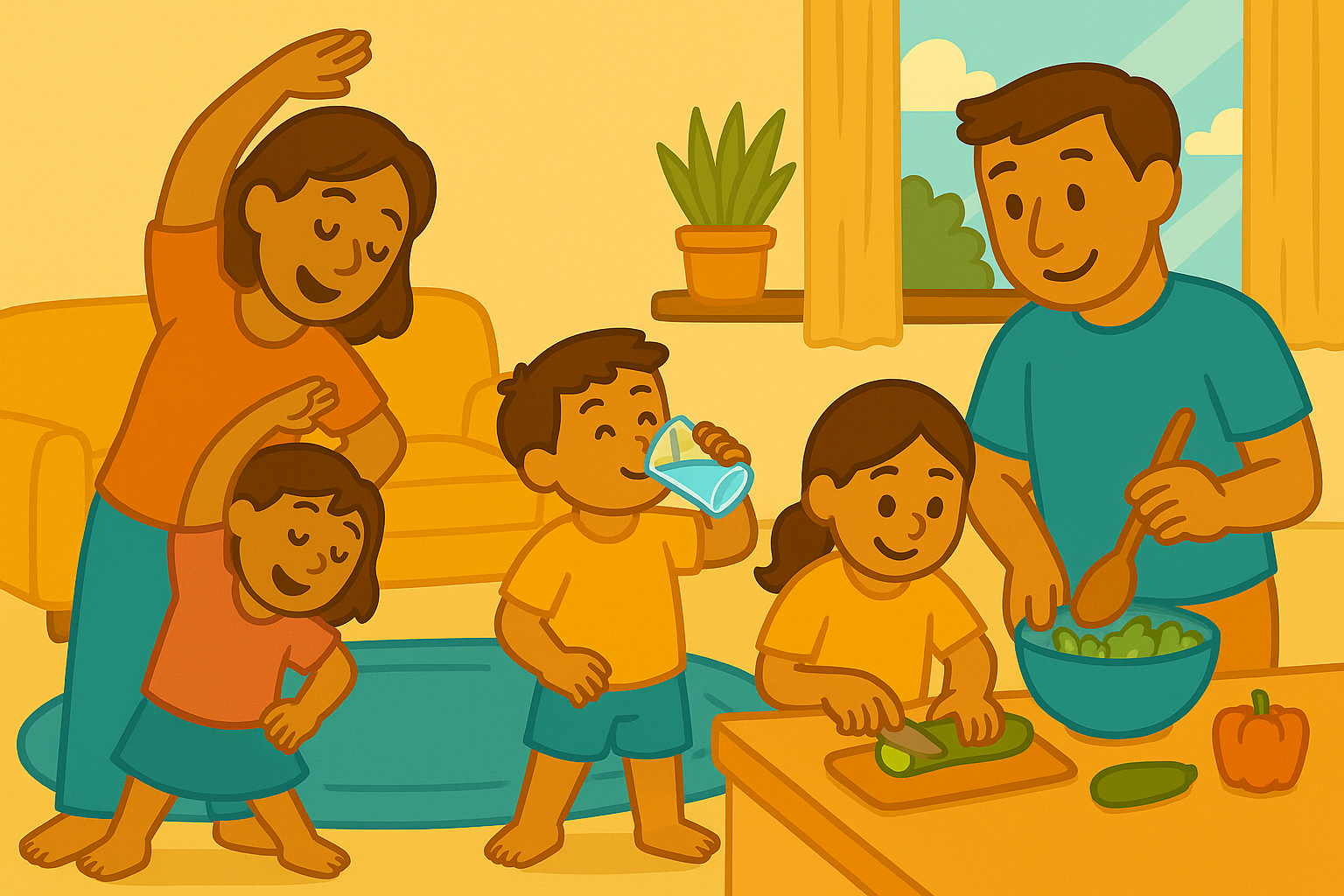
They also encourage emotional regulation — running hands through water can calm, center, and refocus kids after big feelings. As seen in Family Fitness Challenges for Fun and Motivation, physical movement paired with play builds both confidence and coordination.
When parents approach water play as both fun and mindful, they nurture curiosity and caution together.
Understanding the Real Risks (and Myths)
Many parents assume water danger means deep pools or lakes — but most accidents occur in small, familiar places: bathtubs, backyard buckets, or kiddie pools.
True facts about water safety:
Toddlers can drown in as little as 2 inches of water.
Most incidents happen during brief lapses in supervision.
Flotation toys do not replace adult attention.
Quietness — not splashing — often signals distress.
Recognizing these truths allows parents to stay alert without becoming fearful. Awareness, not anxiety, keeps children safest.
Constant Supervision Is the #1 Rule
No matter the setting, the most important safety tool is an attentive adult. Supervision means eyes on and within arm’s reach at all times — not glancing from a phone or another room.
Even confident swimmers need watching; fatigue, overexcitement, or distractions can happen in seconds.
Helpful reminders:
Designate a “Water Watcher” during group play — someone always responsible.
Take turns with another adult so everyone gets a break.
Avoid multitasking (folding laundry, checking messages) near water.
Supervision isn’t just about prevention — it’s also about connection. It transforms water time into family bonding rather than background activity.
Setting Up a Safe Water Play Zone
Whether indoors or outdoors, creating a well-prepared play space reduces risk dramatically.
Checklist for a safe setup:
Always use sturdy, slip-resistant surfaces.
Keep buckets, tubs, and kiddie pools shallow and stable.
Remove electrical devices from the area.
Have towels and dry clothes nearby.
For outdoor play, stay within shaded areas and avoid peak sun hours.
Boundaries give children freedom within safety — much like the structured exploration encouraged in Teaching Road Safety During Walks.
Choosing Age-Appropriate Water Toys
Not all toys belong in the water. Some can trap air, tip over easily, or create false security.
Safe options include:
Pouring cups, funnels, sieves, and measuring spoons
Floating foam blocks or boats (no small detachable parts)
Water wheels, squirt bottles, or spray toys for sensory fun
Non-toxic, mold-free bath toys (avoid hollow ones with holes)
Replace toys regularly and clean them often — similar to the cleaning habits shared in Safe Bath Toys and Clean-Up Tips.
Teaching Water Awareness Without Fear
Fear-based safety messages can make kids anxious around water. Instead, aim for confident caution.
Try these child-friendly phrases:
“Water is fun, but it can be strong — that’s why we stay close together.”
“We only play where grown-ups can see us.”
“Let’s check that our feet can always touch the bottom!”
Framing water safety as teamwork builds trust and cooperation, rather than obedience rooted in fear.
Sunscreen, Hydration, and Weather Check
Outdoor water play adds layers of safety — skin protection, heat awareness, and hydration.
Quick outdoor checklist:
Apply broad-spectrum SPF 30+ 15 minutes before play.
Reapply every 2 hours (or after towel drying).
Offer frequent water breaks — dehydration can sneak up quickly.
Avoid playing near midday heat (10 a.m.–3 p.m.).
It’s the same principle discussed in The Importance of Sun Safety and Hydration — balance protection and fun, not one or the other.
Swimming Lessons and Water Familiarity
Formal swim lessons can reduce drowning risk by nearly 90% for children over age 4. But even before lessons, water familiarity is key.
Ways to build comfort early:
Let toddlers splash under supervision in shallow basins.
Practice floating and kicking together.
Encourage blowing bubbles in the water to build breath control.
Celebrate progress — no pressure for perfection.
For older children, lessons should focus not only on strokes but also self-rescue, floating, and safe entry/exit techniques.
What to Do if an Accident Happens
Even with vigilance, accidents can occur. Preparedness saves lives.
Basic steps:
Stay calm — panic delays action.
Remove the child from water immediately.
Call for help (911) and begin CPR if unresponsive.
Never assume a “near miss” is harmless — water inhalation can cause complications hours later.
Parents and caregivers should consider taking a CPR course; many local community centers and schools offer free or low-cost classes.
Creating Safe Transitions Before and After Play
Children often run, slip, or trip before or after water time. Those transitions can be as risky as play itself.
To minimize slips and tumbles:
Use towels or rugs with grip near exits.
Remind children to walk (not run) when exiting.
Change into dry clothes promptly to prevent chills.
Dry floors immediately.
Just like bedtime routines in Creating a Family Health Routine, transitions help children know what’s next — keeping structure around the fun.
Balancing Joy and Safety
The best water play memories are made when parents feel calm and confident — not anxious. When families approach water play with respect, preparation, and presence, kids learn that safety enhances fun, not limits it.
Water becomes more than a playground; it becomes a teacher — of awareness, coordination, and trust. Each splash is a lesson in mindfulness, every giggle proof that safety and joy can flow together.
This content is for educational purposes and is not a substitute for professional medical or psychological advice.