Balancing Screen Time with Real-World Creativity
Balancing Screen Time with Real-World Creativity

Screens are everywhere — and for today’s kids, they’re part of how they learn, laugh, and connect. But while digital play can teach valuable skills, it’s the real-world creativity — the messy, hands-on kind — that truly builds imagination, focus, and joy.
Finding the right balance between screen time and hands-on creativity doesn’t mean cutting out technology. It means helping kids see screens as a tool — not the whole toolbox.


Why Balance Matters
When screens dominate playtime, children miss opportunities for sensory learning and deep creative thinking. But when digital experiences are paired with real-world exploration, creativity multiplies.
💡 Fuzzigram tip: The goal isn’t “less screen time,” it’s “more meaningful screen time.”
See Healthy Screen Habits for a Balanced Family Life for foundational tips on family media balance.
Step 1: Redefine Screen Time as “Creative Time”
Not all screen use is created equal. There’s a world of difference between passive watching and active creating.
Encourage creative digital experiences like:
Drawing or animation apps.
Storytelling games or coding tools.
Music-making, stop-motion, or puppet-video apps (like Fuzzigram!).
💡 Fuzzigram tip: Ask, “What did you make?” instead of “How long were you on?”
Step 2: Pair Digital and Physical Play
Bridge the gap between screen and real life by connecting them.
Examples:
Watch a video on making puppets → then craft one together.
Use a drawing app → then recreate it on paper.
Explore an animal video → then pretend to be those animals outside.
💡 Fuzzigram tip: Screen inspiration should lead to hands-on action.
For ideas that blend both worlds, visit The Magic of Puppet Play: How Storytelling Builds Imagination.
Step 3: Protect Unplugged Time Daily
Every child needs moments away from glowing screens — to let their mind wander and recharge.
Try scheduling:
“Tech-free mornings” before school.
“No-screen dinner time.”
“Unplug hour” before bed.
💡 Fuzzigram tip: Call it a “creativity break,” not a “screen break.” The wording makes it sound like freedom, not restriction.
Pair with Healthy Sleep Habits for Busy Families.
Step 4: Use Screens as a Launchpad for Imagination
Turn digital moments into storytelling or play prompts.
After a show or game, ask:
“What would you do if you were in that story?”
“How could you make your own version?”
💡 Fuzzigram tip: Kids love remixing stories. It’s creativity disguised as conversation.
See How Imaginative Play Builds Brainpower for how pretend worlds fuel deep learning.
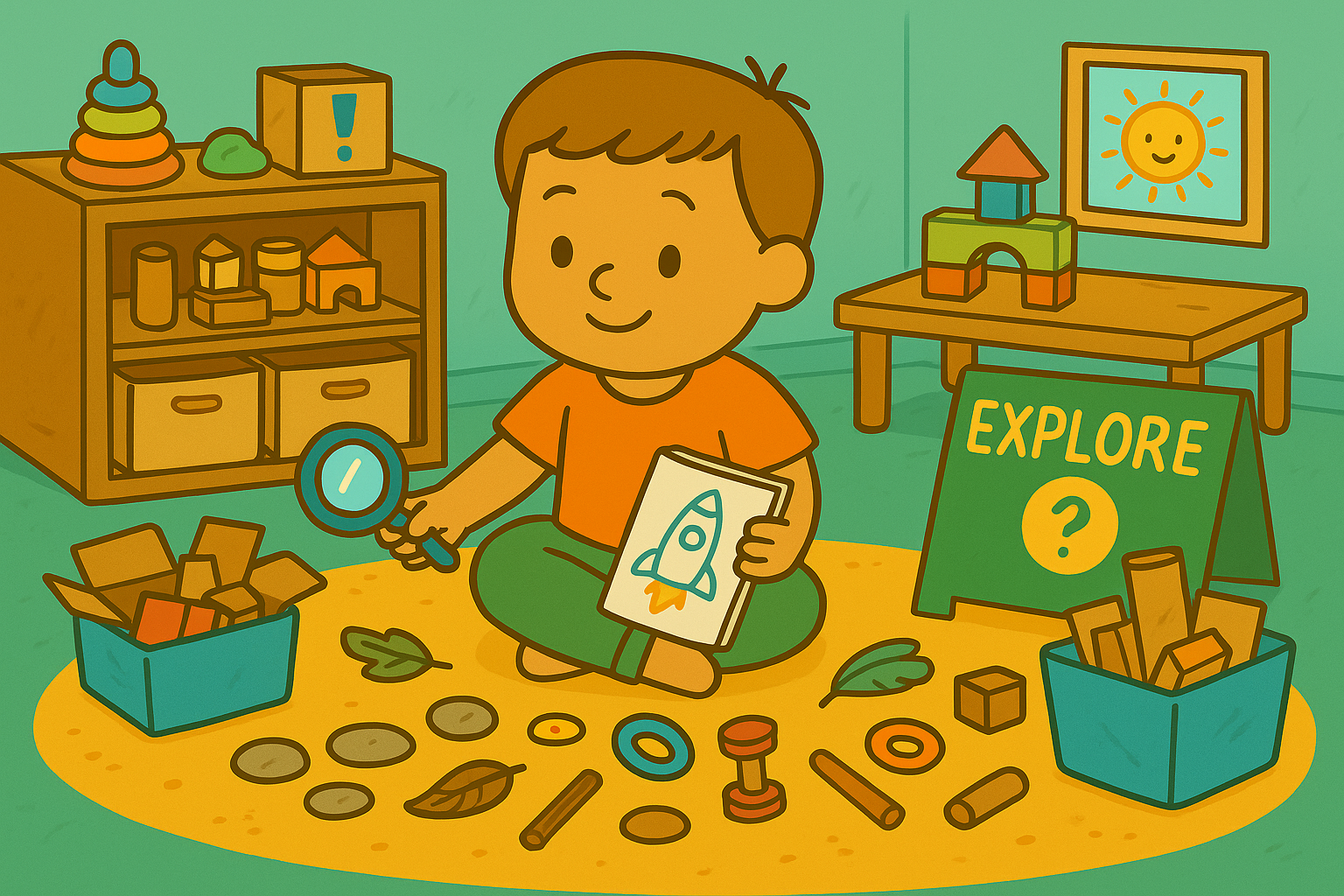
Step 5: Encourage Real-World Exploration of Digital Ideas
If your child loves building worlds in Minecraft, let them use blocks or cardboard to recreate one. If they’re obsessed with music videos, give them a toy microphone and let them perform.
💡 Fuzzigram tip: When kids bring digital ideas into the real world, they strengthen sensory, motor, and emotional intelligence — not just screen skills.
For outdoor inspiration, try Creative Outdoor Play for Every Season.
Step 6: Model Your Own Creative Balance
Kids notice how you use your phone, too. Let them see you take breaks, doodle, garden, read, or cook — real-life creativity that doesn’t involve a device.
💡 Fuzzigram tip: “I’m putting my phone down to make something” says more than any rule ever could.
See Small Daily Habits That Build Lifelong Health for how modeling consistency matters.
Step 7: Keep Screens Out of “Flow Zones”
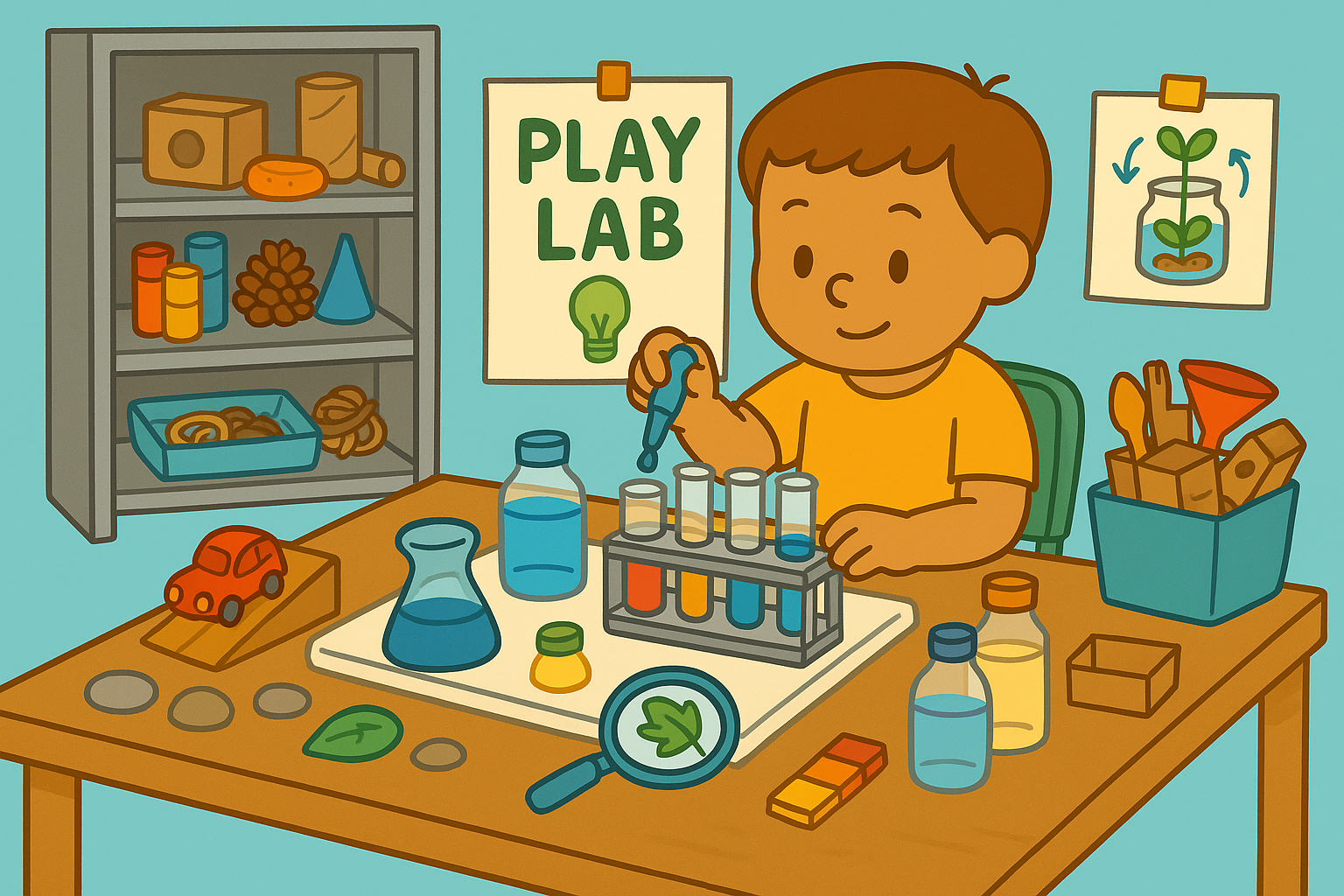
“Flow zones” are where imagination thrives — playrooms, art corners, backyards.
Keep screens out of these spaces so your child associates them with exploration, not consumption.
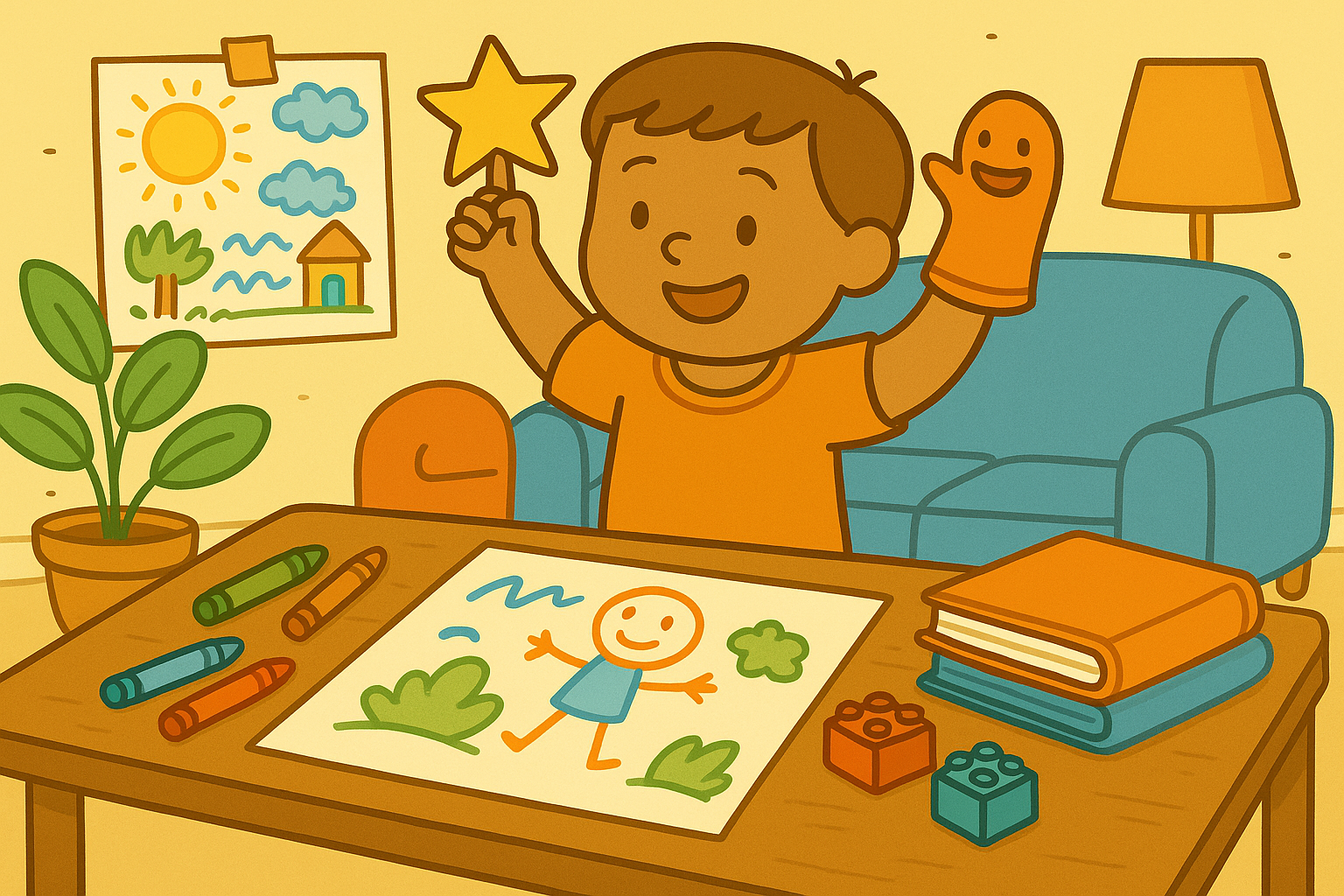
💡 Fuzzigram tip: The environment sets the tone. A basket of crayons or puppets invites creation; a tablet invites watching.
See Building a Playful Home: Spaces That Inspire Creativity.
Step 8: Mix Social Play With Digital Learning
Balance solo screen activities with interactive play. Kids build more empathy and communication when they co-create — whether it’s filming a puppet skit, designing digital art together, or sharing a story idea.
💡 Fuzzigram tip: “Co-play” — both digital and real — keeps screens from becoming isolating.
Step 9: Encourage Tech-Free Boredom
It’s okay if your child says, “I’m bored.” That’s where creativity begins.
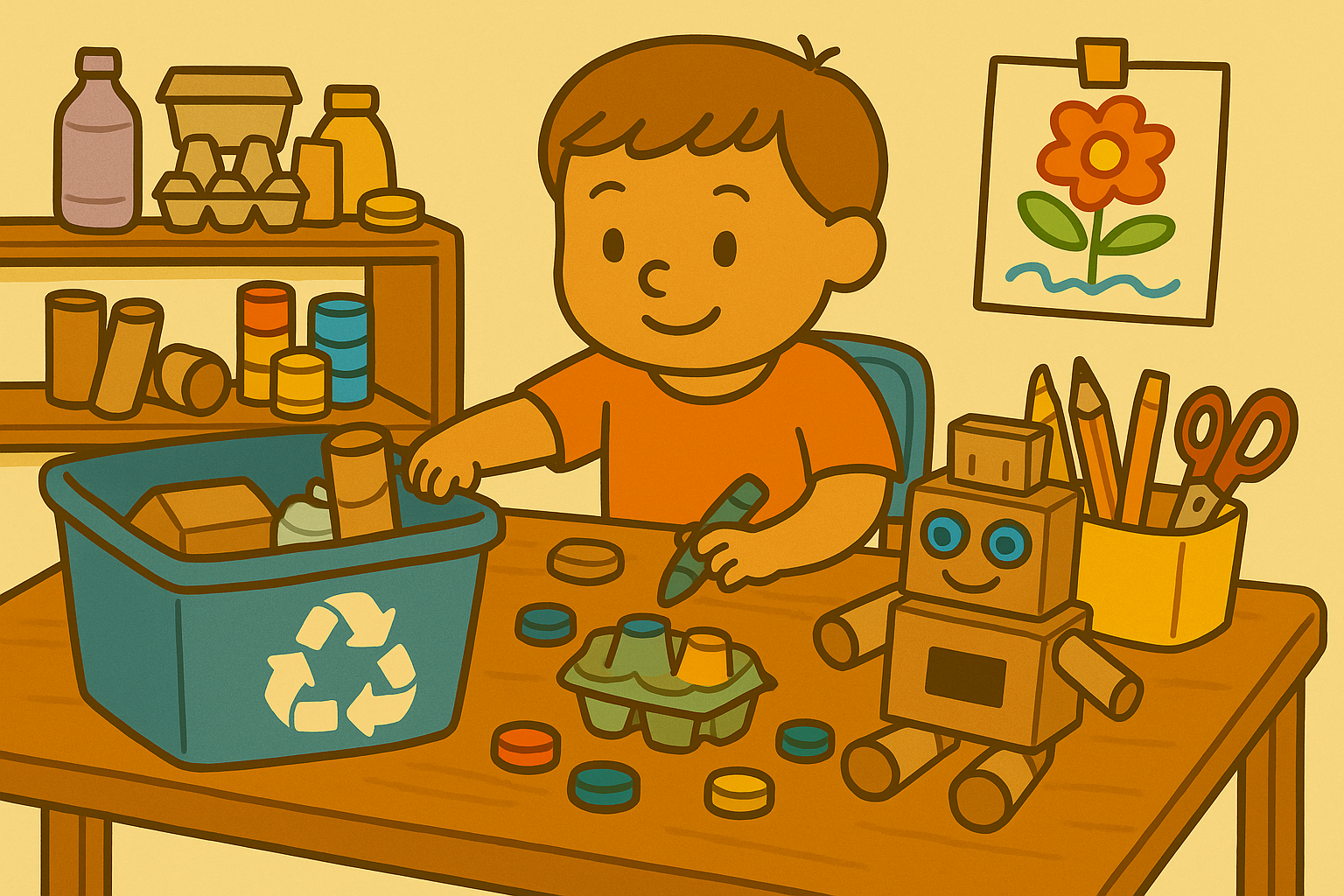
Provide simple materials — paper, tape, toys — and step back. They’ll invent games, draw, or build something you didn’t expect.
💡 Fuzzigram tip: Screens fill empty space; creativity grows from it.
For creative boredom tips, see Open-Ended Play: Why Fewer Rules Mean More Learning.
Step 10: Build a Family “Digital Rhythm”
Instead of rigid limits, create a rhythm that balances digital and non-digital moments.
Example:
Morning: Creative play or art.
Afternoon: Educational screen time.
Evening: Reading, music, or outdoor play.
💡 Fuzzigram tip: When routines feel predictable, kids resist less — and create more.
Kids don’t need to live without technology — they need to live with it mindfully. When screens become one ingredient in a full recipe of creativity, connection, and real-world play, children learn how to balance their worlds naturally.
So don’t fear the screens — just make sure they’re sharing space with blocks, paints, puppets, and imagination. Because the best kind of creativity doesn’t come from pixels — it starts in the heart and grows in the hands.
This content is for educational purposes and is not a substitute for professional medical or psychological advice.