
Using Story Retelling to Explore Emotions
Using Story Retelling to Explore Emotions
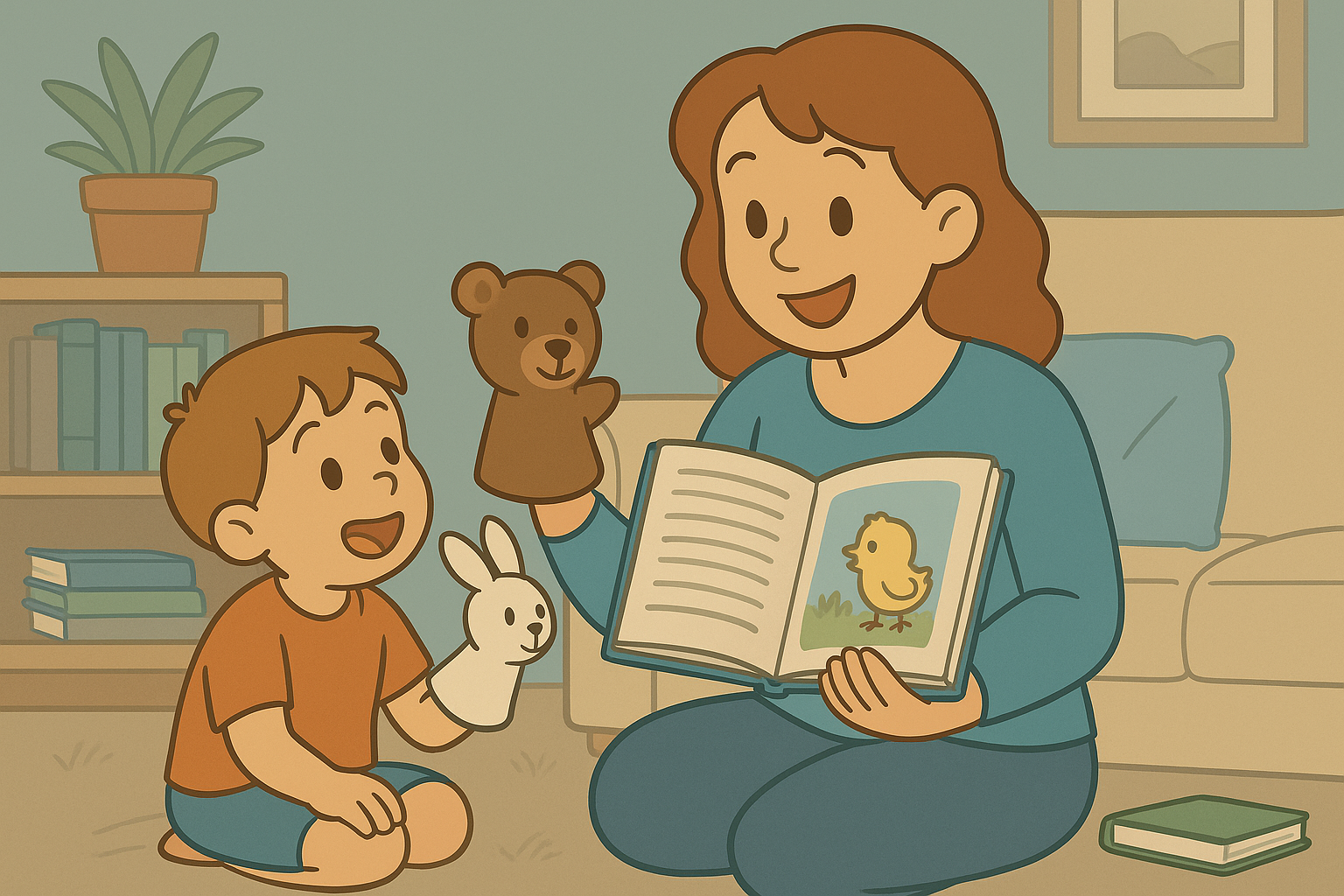
When children hear stories, they don’t just follow the plot — they feel it. They imagine what the characters are thinking, how they’re feeling, and what they might do next. That’s why storytelling — and especially story retelling — is such a powerful way to help children understand emotions.
By retelling familiar stories in their own words, kids begin to connect feelings to actions, learn empathy, and build emotional vocabulary. Each time they step into a character’s shoes, they’re practicing emotional intelligence in disguise.


Why Story Retelling Builds Emotional Skills
Retelling stories does more than test memory — it helps children process what they’ve heard. When they describe what made a character sad, scared, or proud, they’re strengthening both empathy and comprehension.
Story retelling supports:
Emotional labeling (“She was mad because her friend took her toy”)
Perspective-taking (“He felt lonely when nobody played with him”)
Emotional regulation (“She took a deep breath and tried again”)
These skills lay the foundation for long-term self-awareness, much like the practices in Building Emotional Vocabulary Through Books.
Choose Emotion-Rich Stories
Not all stories are equal when it comes to emotional learning. Look for picture books that include:
Clear but gentle conflicts (a lost toy, a misunderstanding, a big change)
Distinct emotional expressions (joy, jealousy, pride, frustration)
Positive resolutions
Books like The Feelings Book by Todd Parr or Llama Llama Misses Mama naturally lend themselves to rich emotional discussions.
Start With Familiar Tales
Young children learn best through repetition. Begin with stories they already know — The Three Little Pigs, Goldilocks, or a favorite bedtime book — and invite them to tell it back to you.
Ask:
“What did the pig feel when the wolf blew his house down?”
“How do you think Goldilocks felt when the bears came home?”
These open-ended questions connect story events to feelings, encouraging emotional reasoning.
Model Emotional Language While You Retell
When parents retell stories, they can layer in emotional vocabulary. For example:
“The wolf was angry, but also a little frustrated that he couldn’t blow the brick house down.”
This teaches kids that emotions can be mixed and complex. It also supports the emotional literacy work discussed in Using Puppets to Teach Emotional Literacy, where labeling feelings builds confidence in expression.
Let Kids Add Their Own Twist
Once your child can retell the story, invite them to change it:
“What if the bear said sorry to Goldilocks instead of getting mad?”
Creative variations let kids practice emotional problem-solving. They explore how different choices affect feelings and outcomes — the essence of empathy training.
Use Puppets or Props for Retelling
Visuals make emotions tangible. Encourage your child to use puppets, dolls, or paper cutouts to act out scenes. You might say:
“Show me what the character looked like when they felt scared.”
When children embody emotions physically, they develop a deeper understanding of body cues — a concept reinforced in Teaching Kids to Recognize Body Signals of Emotions.
Encourage Emotional “Pause Points”
During retelling, gently pause and explore emotions in the moment:
“How do you think the bunny felt when his friend didn’t share?”
“What could he do next to feel better?”
These “pause points” help kids notice emotional transitions and coping strategies — key skills for emotional regulation.
Normalize All Emotions in Stories
Children sometimes believe that only “happy” feelings are good. Use stories to teach that all emotions serve a purpose. Say:
“The character felt jealous, and that’s okay — we all feel that sometimes.”
Normalizing emotions helps kids feel less ashamed of strong feelings and more open to talking about them — aligning with Helping Kids Name and Understand Jealousy.
Connect Stories to Real-Life Experiences
After retelling, bridge fiction and reality:
“Remember when you felt nervous on your first day of school? That’s like how the character felt!”
This connection makes emotional learning stick. It helps children understand that feelings are universal — and that they can use story lessons in their own lives.
End With Reflection and Gratitude
Wrap up your story retelling sessions with reflection:
“What part of the story made you feel happy?”
“Was there a time today you felt like one of the characters?”
Encouraging daily reflection not only deepens emotional insight but also strengthens family communication — similar to the routines described in Family Reflection Nights: Talking About Feelings Together.
Stories help children see themselves and others more clearly. When they retell those stories in their own words, they practice empathy, communication, and resilience — one scene at a time. By turning bedtime tales or classroom read-alouds into emotional conversations, parents and teachers give kids one of life’s greatest lessons: every feeling has a story, and every story teaches us to care a little more deeply.
This content is for educational purposes and is not a substitute for professional medical or psychological advice.


