How to Repair Connection After Discipline
How to Repair Connection After Discipline
Why Repair Matters
Even when discipline is calm and respectful, it can temporarily create emotional distance between parent and child. That’s normal — boundaries can feel like rejection to a young mind. Repairing the connection afterward isn’t an afterthought; it’s the most powerful part of discipline.
Children learn not just from what we say, but from how we restore trust after conflict. When a parent takes time to reconnect, the child internalizes this message: “Even when I make mistakes, I’m still loved.”
This principle builds on Rebuilding Connection After Conflict, where post-conflict warmth reinforces security and emotional resilience.


The Science of Reconnection
When stress rises — for both parent and child — the brain’s emotional center (the amygdala) takes over. Kids in this state can’t process logic or lessons. Once calm returns, the brain’s “thinking” areas reengage, making it the perfect moment to rebuild connection and understanding.
This process mirrors the concepts in The Role of Emotional Regulation in Discipline, where regulation — not reprimand — is the foundation for learning.
What Repair Is (and Isn’t)
Repair isn’t about taking back the consequence or pretending the conflict didn’t happen. It’s about closing the emotional gap that discipline can create. It says, “We’re okay again.”
What repair is not:
Undoing boundaries
Over-apologizing for enforcing rules
Ignoring what happened
What repair is:
Reaffirming love and safety
Acknowledging feelings on both sides
Showing that discipline doesn’t threaten connection
This emotional honesty aligns with How to Discipline Without Shame, where empathy ensures that consequences teach rather than wound.
Timing the Repair
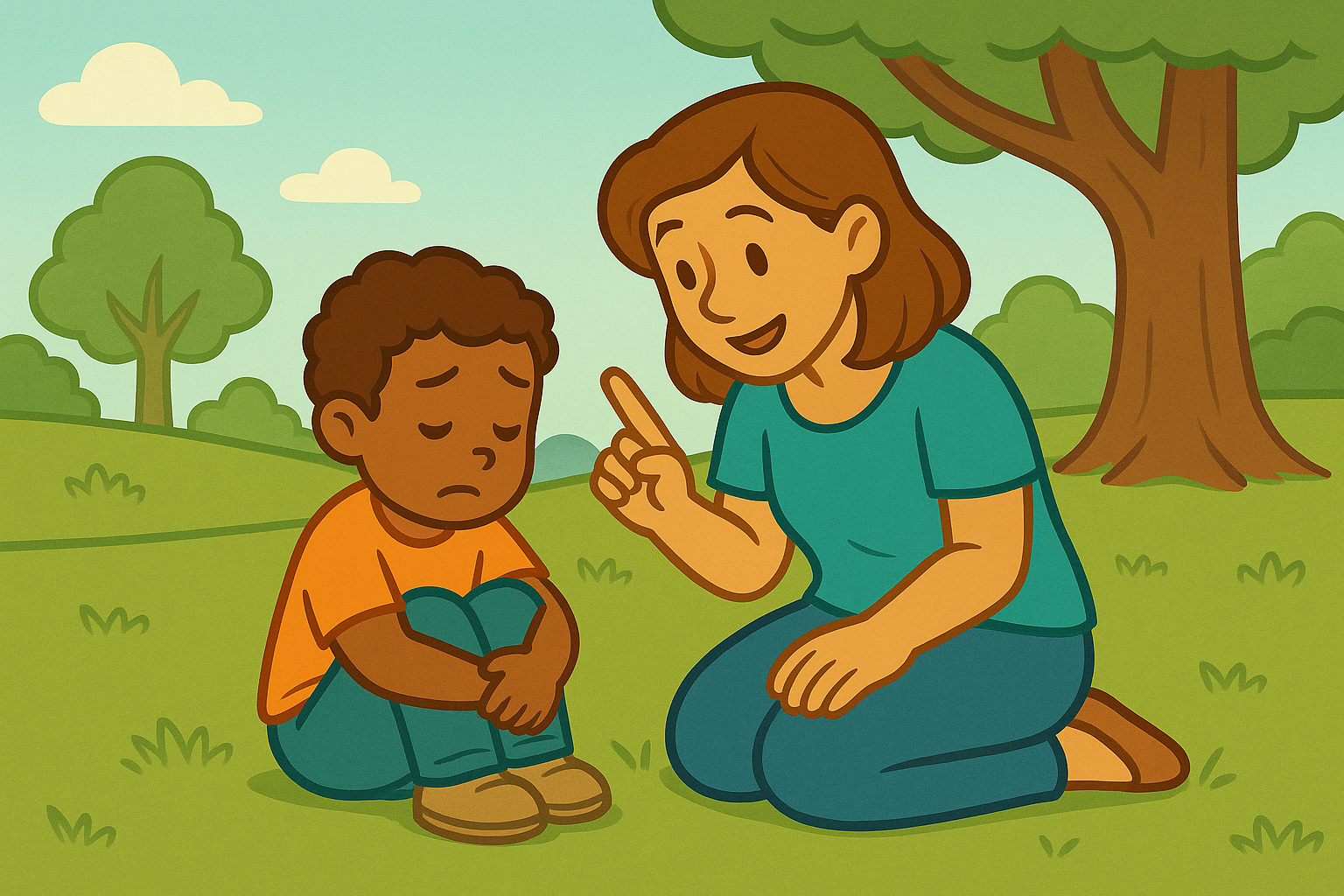
Timing matters. Don’t rush reconnection while emotions are still high. Wait until both of you are calm — sometimes that’s minutes later, sometimes hours.
You can say:
“I’m ready to talk when you are.”
“We both needed a little space. I’m glad we can be together again.”
When repair happens after regulation, it becomes a meaningful moment of growth. This careful pacing echoes How to Stay Calm When Kids Refuse to Listen, where patience transforms tension into understanding.
Modeling Accountability
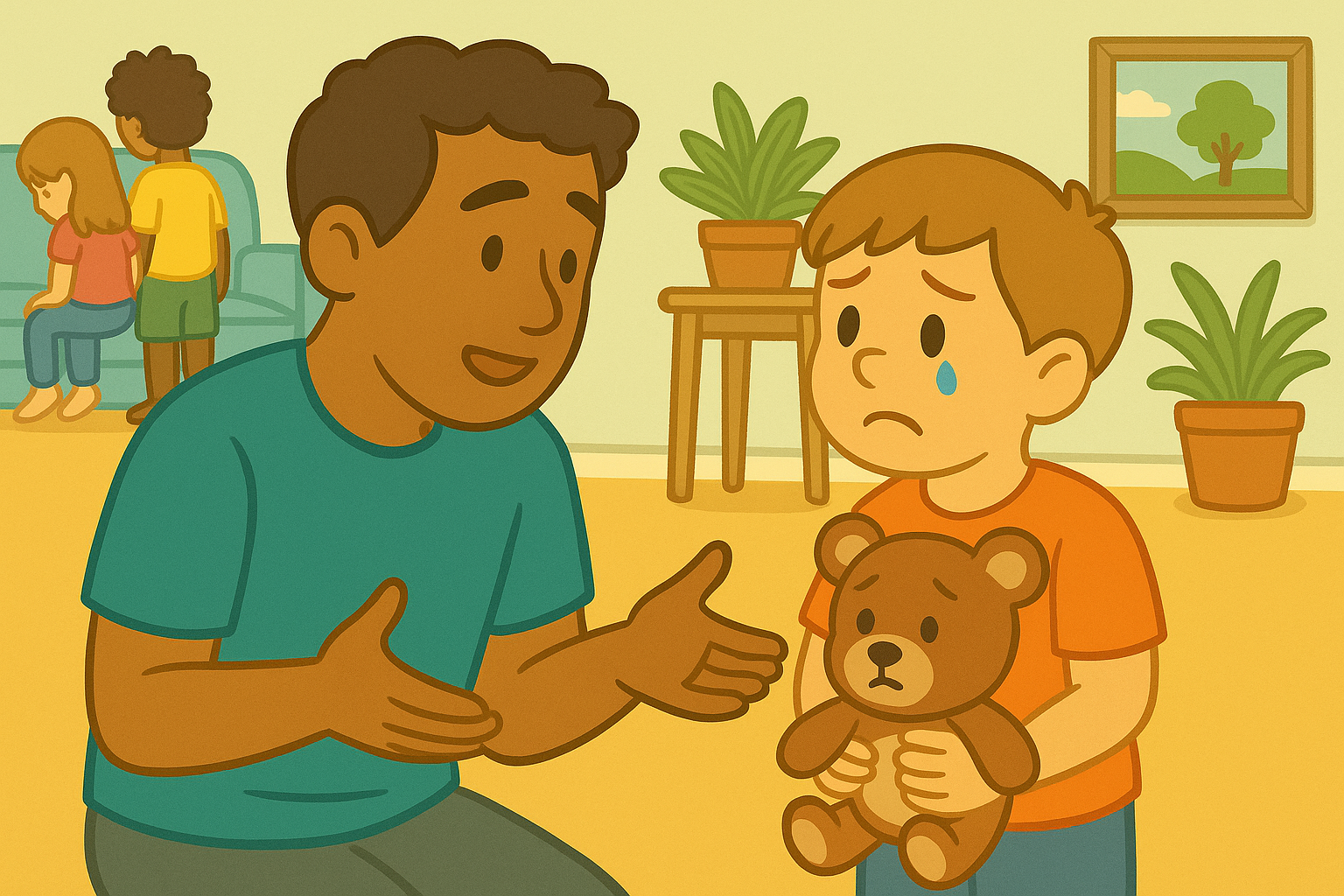
One of the most powerful ways to teach accountability is to model it. If you raised your voice or handled a situation poorly, acknowledge it:
“I was feeling frustrated, and I spoke too loudly. I’m sorry. Next time, I’ll take a breath.”
This doesn’t weaken your authority — it strengthens it. Kids learn that mistakes are opportunities for honesty, not shame.
This modeling complements Teaching Apologies That Mean Something, where children learn sincerity through real-world examples.
Listening Without Defensiveness
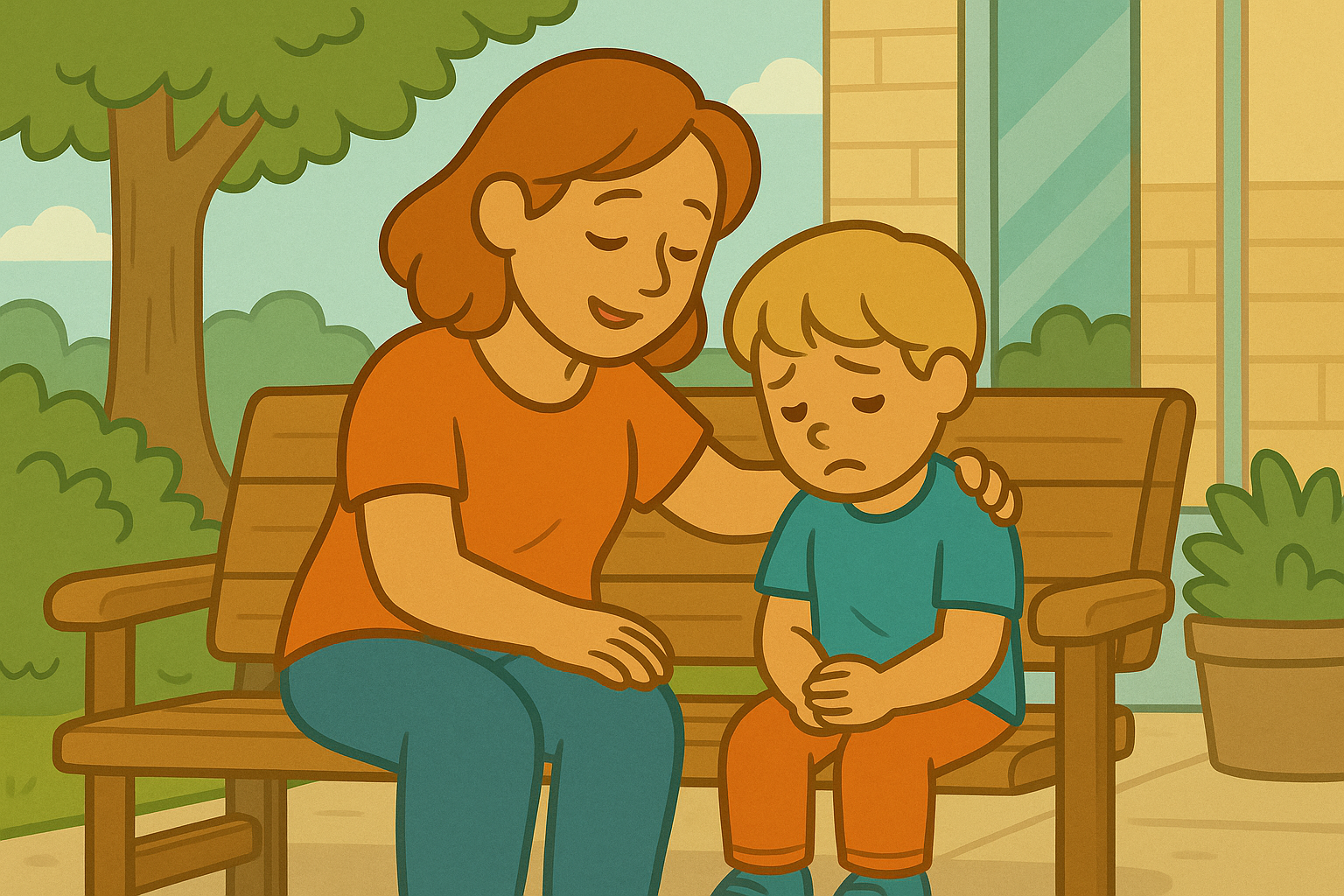
After discipline, your child may still feel angry, sad, or misunderstood. Let them express those feelings without interruption. You might respond, “You didn’t like that I turned off the tablet. That was hard for you.”
This doesn’t mean agreeing with them — it means validating their emotions so they can move through them.
This approach mirrors Encouraging Empathy During Playtime Conflicts, where acknowledgment of emotions builds compassion and perspective-taking.
Rebuilding Through Comfort and Play
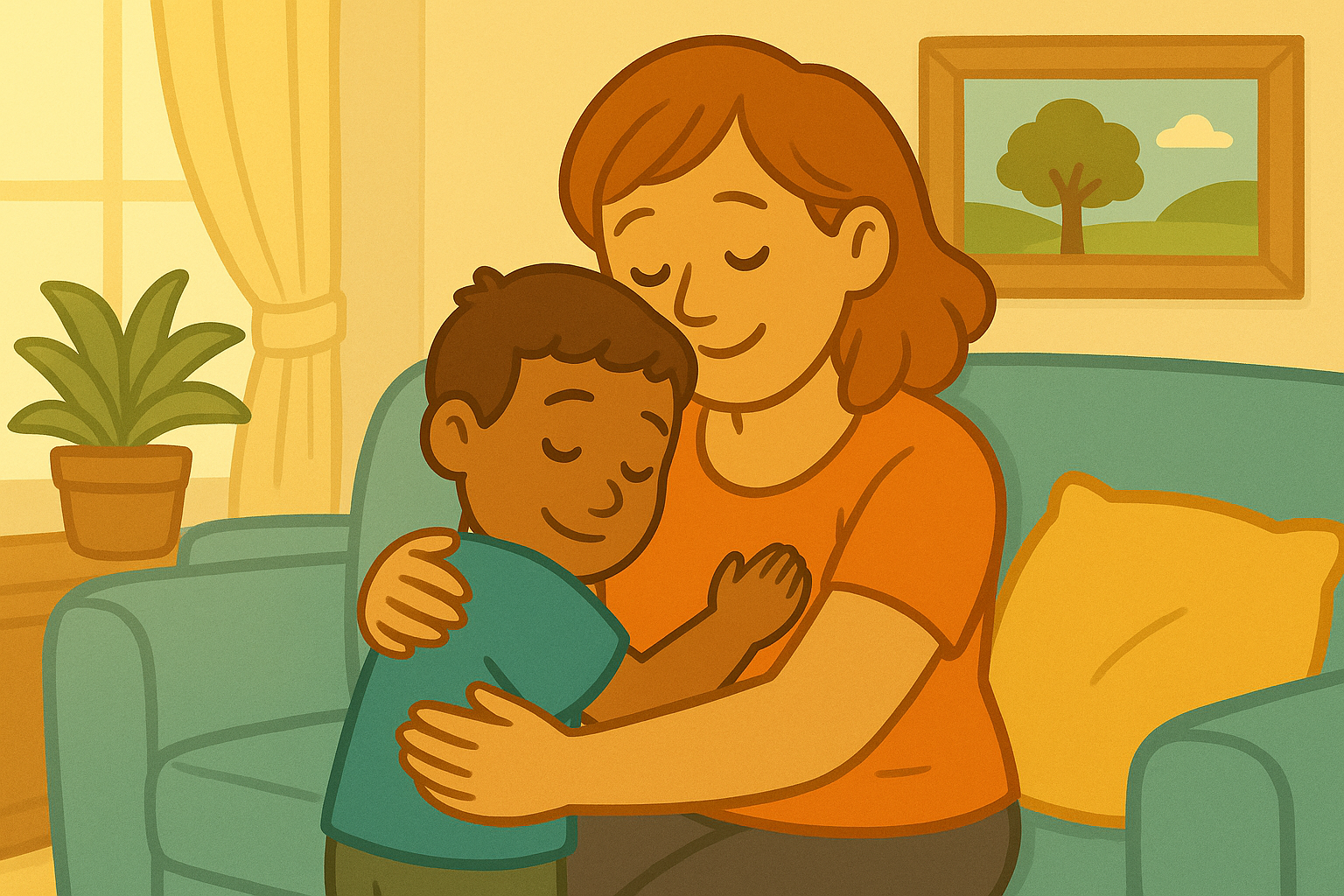
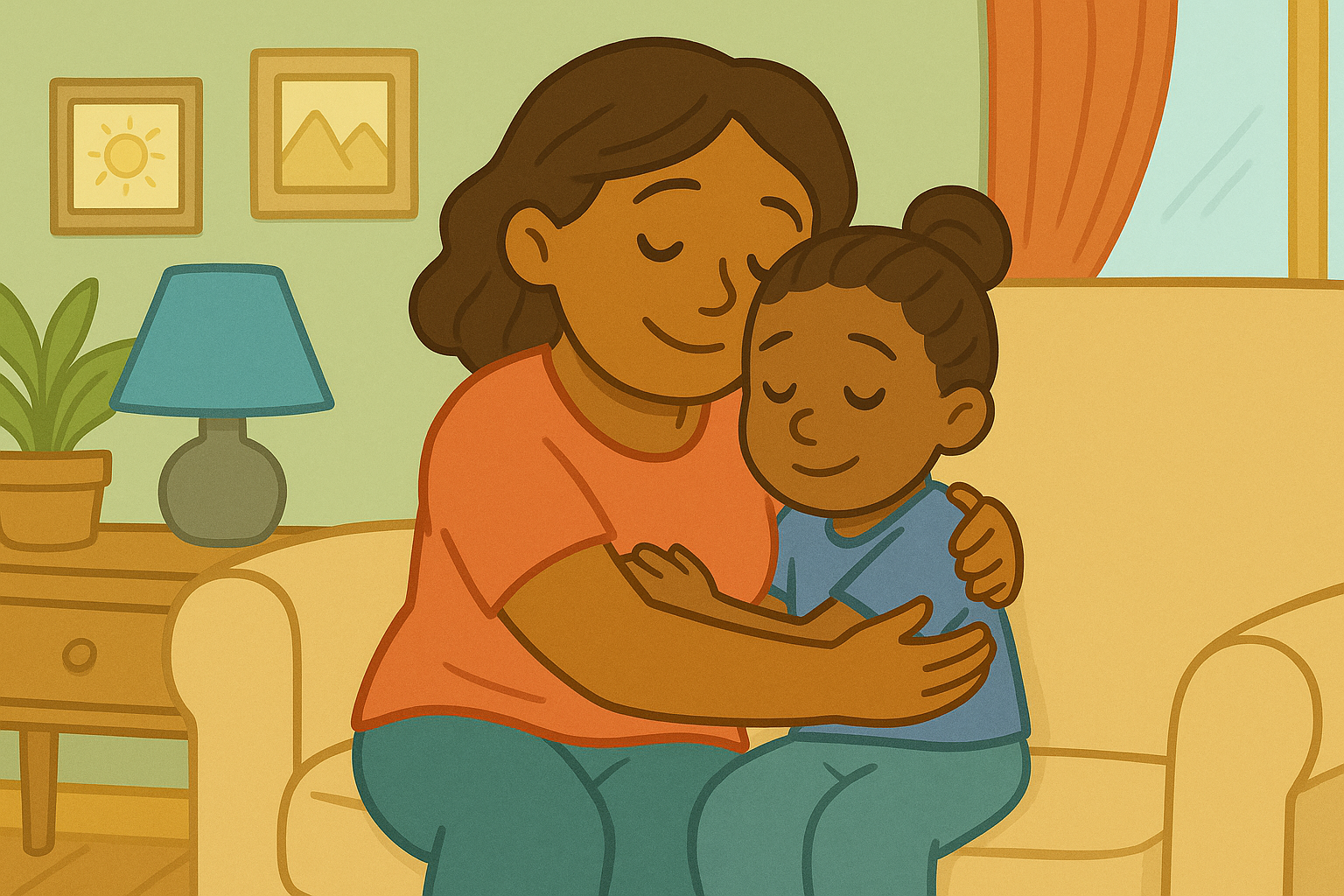
Connection repair doesn’t always need a long talk. For younger children, physical closeness or playful interaction may be more effective. A gentle hug, a shared snack, or a quick game can bridge the gap.
These nonverbal gestures say, “We’re okay.” Children often need reassurance through presence, not just words.
This relational approach ties closely to Playful Parenting Techniques That Encourage Cooperation, where play becomes a language of love and trust.
Reinforcing the Boundary with Warmth
Repair doesn’t mean removing limits — it means pairing firmness with empathy. You might say, “It was important that we cleaned up before bed. I know it wasn’t fun, but I’m proud of how you helped in the end.”
This shows that discipline and affection can coexist. The child learns that boundaries are safe and loving, not cold or punitive.
This principle aligns with Setting Boundaries with Love and Consistency, where predictability and kindness work hand in hand.
Encouraging Reflection
Once the connection feels strong again, help your child reflect on the experience. Ask questions that promote self-awareness:
“What can we both do differently next time?”
“How did you feel when we were upset?”
These conversations build metacognition — the ability to think about one’s own thinking.
It’s the same reflective process described in Helping Kids Develop a Healthy Inner Voice, where gentle discussion leads to emotional maturity and long-term behavior change.
Reconnecting With Yourself, Too
Repair isn’t just for your child — it’s for you. Parenting can be emotionally exhausting, and it’s easy to feel guilt or doubt after conflict. Take time to breathe, journal, or reset your own nervous system.
When you repair your own calm, you show your child that emotional recovery is possible.
This self-compassion echoes the messages of How to Handle Aggression in Playdates, where managing your own emotions is key to modeling regulation for children.
Turning Repair Into a Daily Habit
The most powerful families aren’t the ones who avoid conflict — they’re the ones who know how to reconnect after it. Make repair part of your daily rhythm: a goodnight hug after a tough day, a shared laugh after a hard morning.
When reconnection becomes routine, your child learns the most important lesson of all: relationships can bend without breaking.
This enduring truth ties back to Consequences That Teach (Not Punish), where emotional safety ensures lessons stick and love endures.
Discipline teaches boundaries. Repair teaches love. Together, they create the balance children need to grow with both structure and security. Every act of repair — a soft apology, a warm smile, a bedtime snuggle after a tough day — tells your child that love is stronger than mistakes. And in that reassurance, discipline transforms from a moment of correction into a lifelong lesson in connection.
This content is for educational purposes and is not a substitute for professional medical or psychological advice.