
How to Build Emotional Safety During Transitions
How to Build Emotional Safety During Transitions
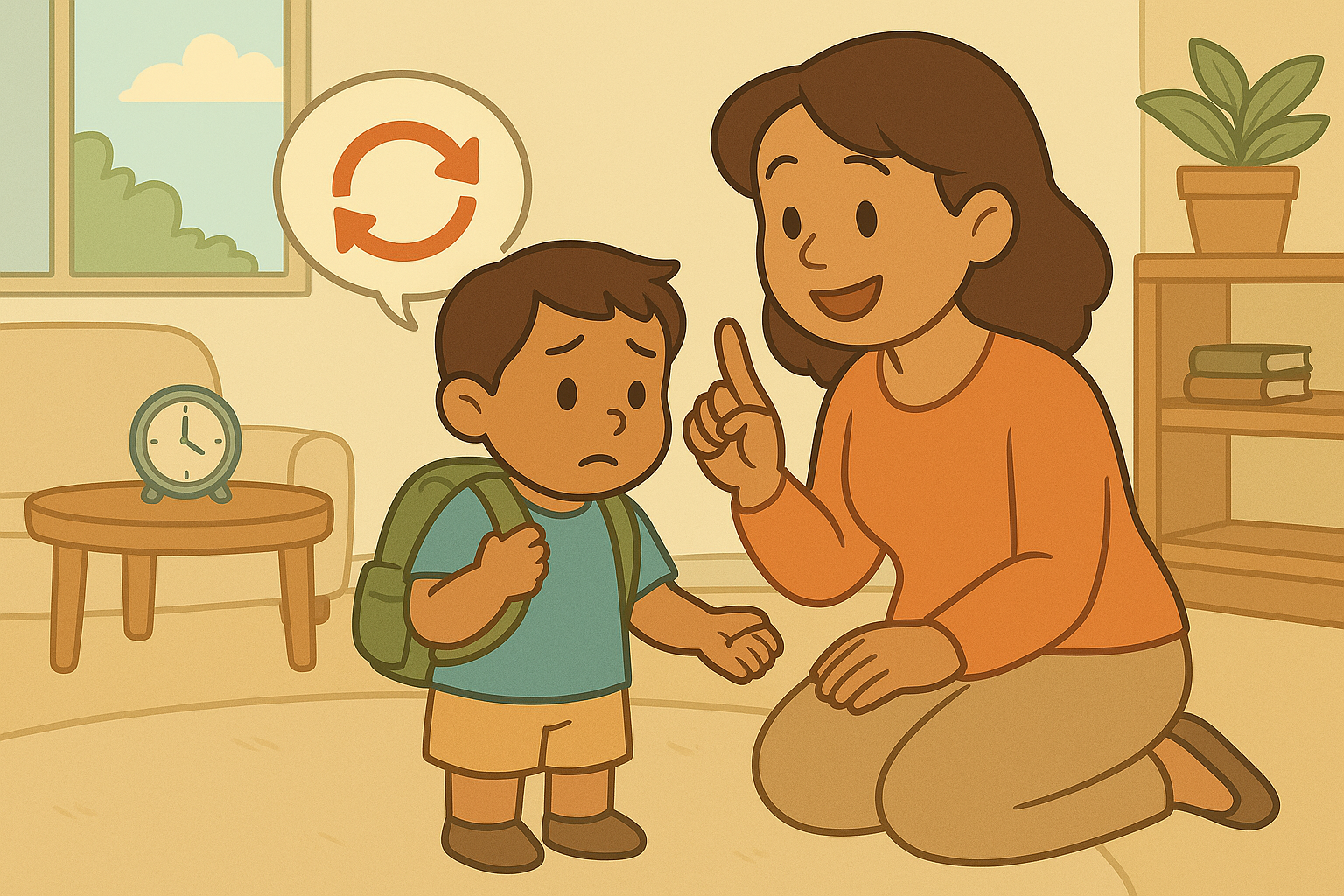
Transitions — moving from breakfast to shoes, leaving the park, starting school, stopping screen time, ending playdates — are often some of the hardest moments in a child’s day. That’s because transitions combine loss (what I was doing), uncertainty (what’s next?), and sudden nervous system shifts. When children don’t feel emotionally safe, even small transitions can lead to resistance, tears, or meltdowns.
With a few thoughtful practices, transitions can become smoother, calmer, and emotionally supportive.


1. Understand Why Transitions Feel Big to Kids
Children’s brains are wired for:
focus on the moment,
emotional intensity,
difficulty stopping enjoyable activities.
Stopping play feels like losing momentum. Starting something new feels like risk.
Knowing this reduces frustration and increases empathy.
This foundational understanding echoes the developmental lens in The Science of Emotional Regulation in Children.
2. Preview What’s Coming Next
Give short, simple heads-up:
“Two more minutes, then shoes.”
“Three more pages, then bedtime.”
Previewing protects emotional energy and prevents sudden panic. Visual timers can help children see time pass.
3. Use Gentle Rituals to Bridge Activities
Small rituals mark emotional shifts:
a goodbye-toy wave,
a special handshake,
a silly song,
a high-five at the door.
Rituals create continuity and comfort, similar to attachment routines described in How to Build a Resilient Morning Routine.
4. Offer Limited Choices (Without Overwhelm)
Try:
“Do you want to hop or tiptoe to the bathroom?”
“Brush teeth before or after pajamas?”
Choice builds:
agency,
cooperation,
self-control.
This prevents transitions from feeling like power loss.
5. Use Sensory Tools to Calm the Switch
Transitions spike nervous system activity. Soothing sensory inputs help:
deep breaths,
firm squeezes,
quiet humming,
comforting toys.
These tools pair beautifully with cozy regulation strategies found in Creating ‘Calm Corners’ in Classrooms or Homes.
6. Teach “Closing Statements”
Help children gently end an activity:
“Bye blocks, see you tomorrow.”
“Thank you playground!”
Closing statements soften emotional edges and make stopping feel intentional — not sudden.
7. Narrate Feelings Out Loud
Say:
“It’s hard to stop something fun.”
“You really wanted more time.”
Validation lowers emotional pressure. Dismissal raises it.
This compassionate language mirrors the support in Helping Kids Express Sadness Without Shame.
8. Watch for Trigger Patterns
Some transitions consistently cause struggle:
leaving the park,
stopping screens,
bedtime shifts,
ending free play.
Identify patterns after calm returns:
“That switch felt hard today. What might help next time?”
This builds emotional insight, similar to Encouraging Kids to Identify and Name Their Triggers.
9. Practice Micro-Transitions in Play
Rehearse:
“freeze dance,”
“stop and go,”
turn-taking games.
Short transitions build the neural pathways that help with big ones.
These playful reps echo strategies in Teaching Patience Through Play.
10. Offer Reconnection at the Next Stop
Once the transition is complete, add a drop of connection:
a quick hug,
eye contact,
“I’m glad we’re here together.”
Connection resets the nervous system and signals emotional safety.
Transitions can be emotionally bumpy, but with previews, rituals, sensory tools, and gentle validation, children learn to move between activities without fear or panic. When you stay calm, offer choices, and reconnect afterward, you help your child develop confidence and flexibility — skills they’ll use in school, friendships, and beyond.
This content is for educational purposes and is not a substitute for professional medical or psychological advice.


