
What to Do When Kids Lie (and Why They Do It)
What to Do When Kids Lie (and Why They Do It)
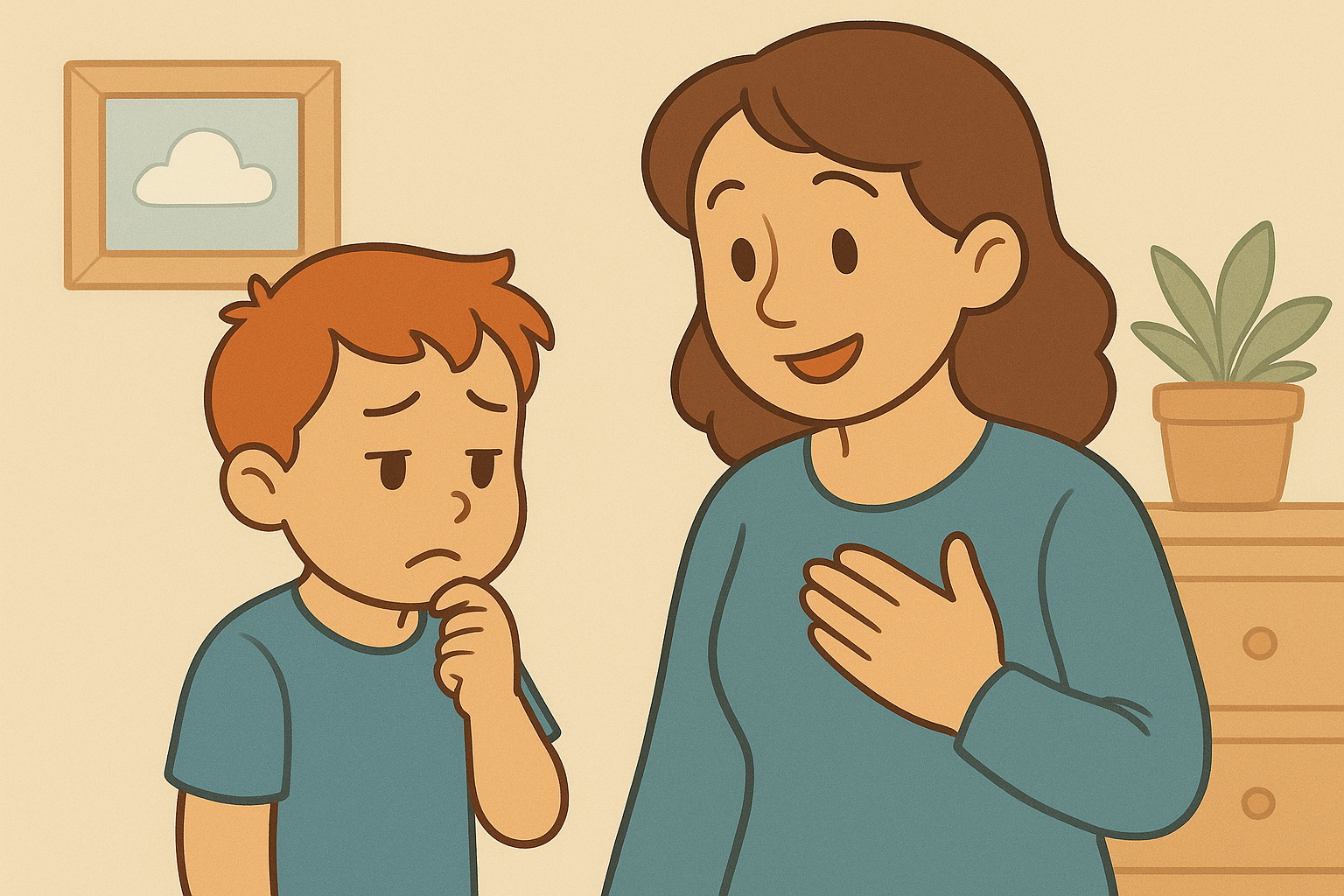
Few behaviors worry parents more than lying — but the truth is, lying in early childhood is developmentally normal. It shows that a child’s brain is growing in imagination, perspective-taking, and cause-and-effect thinking. However, without guidance, lying can become a habit used to avoid responsibility, conflict, or disappointment.
The goal isn’t to punish children into honesty — it’s to teach them that telling the truth feels safe, supported, and worthwhile.


1. Why Young Children Lie (It’s Not What You Think)
Kids lie for surprisingly understandable reasons:
to avoid getting in trouble
to protect someone’s feelings
to get attention
to avoid embarrassment
to make a story more exciting
to maintain control
Most early lies aren’t malicious. They’re experiments.
Kids are thinking:
“What happens if I say this?”
Instead of focusing on the lie itself, ask:
“What need is this lie trying to solve?”
That question reveals everything.
2. Stay Calm — Don’t Fuel Shame
If a child senses anger or disappointment, they often lie more.
Avoid:
❌ “Why would you lie to me?”
❌ “You know better than that!”
❌ “That’s naughty!”
Shame forces kids inward and quiet.
Try instead:
✅ “Thanks for telling me what happened. We can fix it together.”
Calm tone = honesty invitation.
This gentle validation echoes the emotional safety work in Helping Kids Express Sadness Without Shame.
3. Focus on Teaching, Not Catching
When children believe adults’ goal is to catch them, they hide mistakes.
Instead, make honesty collaborative:
“I’d rather know the truth so I can help you.”
You might add:
“Everyone messes up sometimes — we fix it together.”
Kids learn that honesty leads to support, not punishment.
4. Praise Truth-Telling Clearly and Often
When your child tells the truth (especially a hard truth), spotlight it:
“It took courage to tell me that. I’m proud of you.”
This reinforces honesty as part of their identity — a strategy strengthened in The Power of Praise: When and How to Use It, where we praise process, not perfection.
5. Teach Kids the Language of Repair
Instead of “Who did this?”, guide:
“Looks like something spilled. Let’s clean it together.”
Children learn:
mistakes are okay,
cleanup is part of growth,
honesty leads to connection.
Short repair scripts:
“I’m sorry, I didn’t mean to.”
“Can we fix it together?”
Repair reduces fear — the root of many lies.
6. Normalize Mistakes (So Kids Don’t Hide Them)
Say often:
“Everyone makes mistakes — even grown-ups.”
Modeling helps:
“Oops, I forgot something. I’ll try again!”
When kids hear adults admitting errors, they learn truth is safe.
This directly supports identity-building from How to Celebrate Learning Progress, Not Perfection, where mistakes are framed as brain growth.
7. Understand Fantasy vs. Dishonesty
Ages 3–6 often blur imagination with reality:
dragons in bedrooms,
winning imaginary contests,
exaggerating stories.
This isn’t bad behavior — it’s creativity.
Invite curiosity:
“That sounds like a pretend story. What part is real?”
You’re teaching perspective gently.
8. Coach Through “Little Lies” Gently
Small lies (“I brushed my teeth!”) often stem from:
wanting independence,
avoiding micro-nagging,
testing boundaries.
Try:
“Let’s check together.”
or
“Do you need help remembering?”
You’re solving the skill gap, not punishing the lie.
Pair this with emotional routines from Simple Mindfulness Exercises for Families to reduce rushed resistance.
9. Use Curious Questions (Not Traps)
Instead of:
❌ “Did you hit your brother?”
(When you already know the answer.)
Try:
✅ “What happened between you two?”
Avoid cornering kids. Curiosity keeps communication open.
When kids feel trusted, honesty becomes easier.
For social repair language, see Teaching Patience Through Play, where sharing, turn-taking, and impulse-pause are practiced gently.
Final Thoughts for Parents
Lying in early childhood is:
a sign of cognitive growth,
a test of emotional safety,
a practice in perspective-taking.
With your calm coaching, children learn:
✨ I can tell the truth and still be loved.
✨ Mistakes are fixable.
✨ Honesty feels relieving and safe.
When you:
respond calmly,
praise honesty,
normalize mistakes,
teach repair language,
avoid traps,
…you build a home where truth doesn’t require bravery — just trust.
This content is for educational purposes and is not a substitute for professional medical or psychological advice.


