Creating a Family “Kindness Countdown” for the Holidays
Creating a Family “Kindness Countdown” for the Holidays
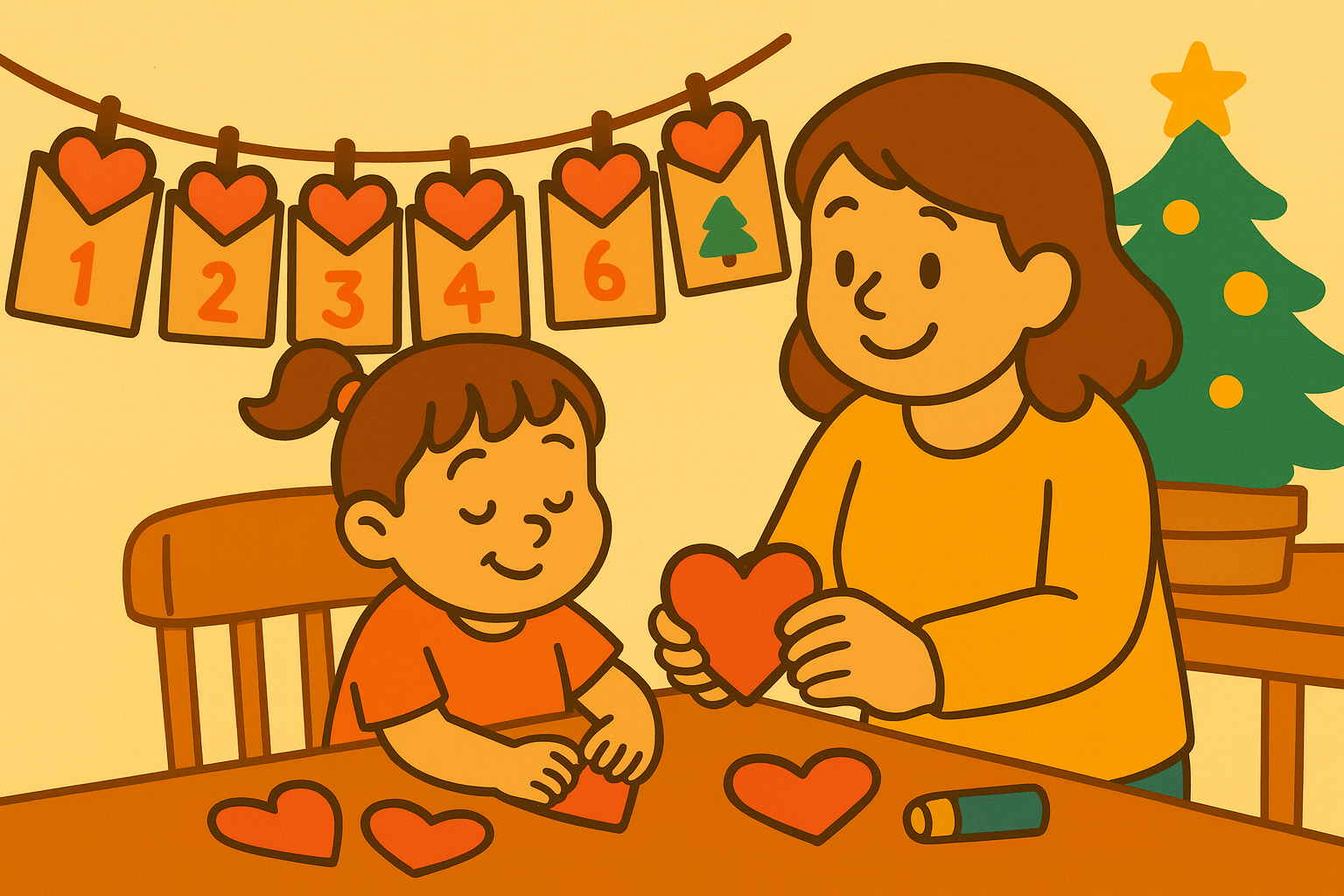
The Magic of a Countdown With Meaning
As the holidays approach, children often feel excitement—but also restlessness, consumer pressure, or big emotions they don’t understand. A Kindness Countdown offers a beautiful, grounding alternative: instead of counting down days with candy or gifts, families can mark each day with an act of generosity, empathy, or connection. This small shift adds heartfelt meaning to the season and brings calm to everyday moments.
A Kindness Countdown teaches children that joy doesn’t only come from receiving—it also comes from giving, noticing others, and contributing to the world around them. Whether your family observes Christmas, Hanukkah, Diwali, Kwanzaa, New Year’s, or simply loves winter traditions, this daily kindness ritual can become a treasured memory—and a calming anchor—year after year.


Why Kindness Rituals Matter in Childhood
Kindness doesn’t just “happen”—it’s taught, practiced, and modeled. When children repeatedly see empathy turned into action, they begin to view compassion as part of their identity. A countdown turns this lesson into a playful, consistent routine that sticks in their memory long after the holidays end.
Research shows that acts of kindness help children develop:
Emotional regulation
Stronger problem-solving skills
Deeper friendships
Increased resilience during stressful times
By building a holiday tradition around kindness, you help your child connect the season with warmth, generosity, and emotional balance—a remarkable gift during a time that can easily feel busy and overstimulating.
Setting the Tone With Family Values
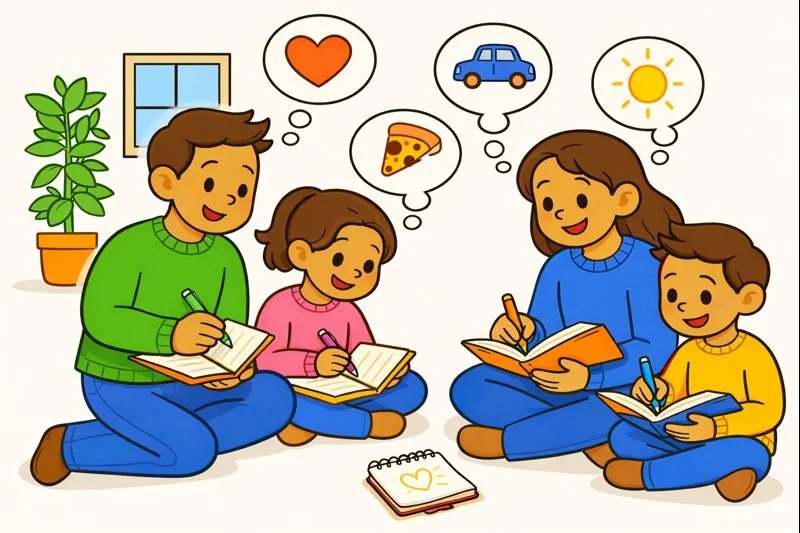
Before the countdown begins, take time as a family to name what kindness looks like in your home. Kids deeply benefit when values are spoken out loud and treated as community agreements. You might ask:
How do we want people to feel when they’re around us?
What does kindness look like?
What does kindness sound like?
What does kindness feel like inside our bodies?
Write answers on a poster or paper chain and hang it nearby. Children love seeing their own words displayed—it reminds them this countdown isn’t something they’re “participating” in… it’s something they helped create.
For tips on guiding teamwork and care between siblings, families often find Helping Kids Learn Accountability Without Shame especially supportive when building family values together.
Choosing the Countdown Format
The best Kindness Countdown format is the one your child can interact with daily. A few favorites include:
Envelope Garland – hang numbered envelopes on string with kindness cards inside
Paper Chain – write a kindness action on each link and tear one off per day
Jar of Kindness – pull one task card each morning
Countdown Tree – tape kindness hearts or stars onto a poster of a tree each day
The visual element helps children anticipate what’s coming next. If you want the countdown to also build planning and executive function skills, involve kids in designing the layout and numbering the days.
Age-Appropriate Acts of Kindness
Kindness should feel joyful—not overwhelming. Here are ideas tailored to different developmental levels:
Toddlers & Preschoolers
Draw a happy picture for a family member
Hold the door open
Give compliments using a sentence starter
Help feed a pet
Elementary Kids
Write thank-you notes for school staff
Clean up toys without being asked
Offer a new student help at school
Donate gently used items
Older Kids
Read to a younger sibling
Help with holiday cooking
Volunteer with a parent
Offer to help a neighbor with yard work
When kids choose or create kindness ideas themselves, their ownership increases—and so does their motivation.
Turning the Countdown Into a Daily Ritual
Consistency is where the magic happens. Pick a set time each day—before school, after dinner, or at bedtime—and let your child reveal or choose the kindness task. Even a 3-minute ritual can set the emotional tone of the day.
Tips to make it feel special:
Use a special light or small bell for “Kindness Time”
Play gentle music during the activity
End with a simple question: “How do you think that made them feel?”
Families sometimes find that this daily pause leads to calmer mornings or smoother bedtimes.
Helping Kindness Feel Real (Not Forced)
Kids might show resistance if kindness feels like a checklist—not a genuine moment. The key is to let their natural curiosity guide the experience. Try:
Using role play to act out scenarios
Asking “What would YOU do first?”
Letting them choose between two kindness options
Praising effort rather than outcome
If negative feelings surface (“I don’t want to do this!”), that’s okay—it’s an opportunity to strengthen emotional regulation. The article Teaching Respectful Communication During Conflict offers gentle wording families can use when frustration arises.
Capturing Memories and Building Reflection
Create a “Kindness Log” where kids record or draw their kind act each day. Even simple checkmarks can help them look back and recognize growth.
At the end of the countdown—or on New Year’s Eve—sit together and review the log. Ask:
What acts made you feel the happiest?
Which ones were hard at first but easier later?
Is there one we should keep doing all year?
One beautiful option is turning their kindness log into a family scrapbook or digital slideshow. This helps children see their impact and understand that kindness doesn’t disappear—it creates ripples.
Including Friends, Neighbors, and Community
Kindness grows when it spreads. Your countdown can expand as much as your family is comfortable:
Invite grandparents or cousins to join from afar
Share daily kindness ideas with close friends
Mail homemade cards to nursing homes or shelters
Create a neighborhood kindness chain
The countdown becomes not just a tradition—but a movement. For simple ways to foster meaningful family traditions, The Power of Shared Family Reflections Before Bed offers peaceful bonding strategies that can pair beautifully with this countdown.
What Happens After the Holidays?
The countdown may end—but kindness shouldn’t. Many families choose one favorite act from the list to continue weekly throughout the year. Others keep a “kindness jar” on the counter all year long and pull from it anytime someone wants to lift a tough mood.
Even if the countdown ends, children carry the memory of this season: a time when giving felt just as exciting as receiving. That message stays with them long after the decorations come down.
Starting a Tradition They’ll Remember
You don’t need perfection—just intention. A Family Kindness Countdown doesn’t have to look like those magazine-worthy displays online. What matters are the tiny moments your child remembers:
Cozy nights planning kind ideas
The sparkle of surprise when they saw someone smile
Knowing they made the world a little softer
One day, your child may repeat this tradition with their own family. And when they do, they’ll think of you—the parent who taught them that the holidays are about hearts, not just gifts.
That might just be the greatest holiday memory of all.
This content is for educational purposes and is not a substitute for professional medical or psychological advice.