Encouraging Sibling Cooperation During Festive Seasons
Encouraging Sibling Cooperation During Festive Seasons

Why Festive Seasons Amplify Sibling Conflict
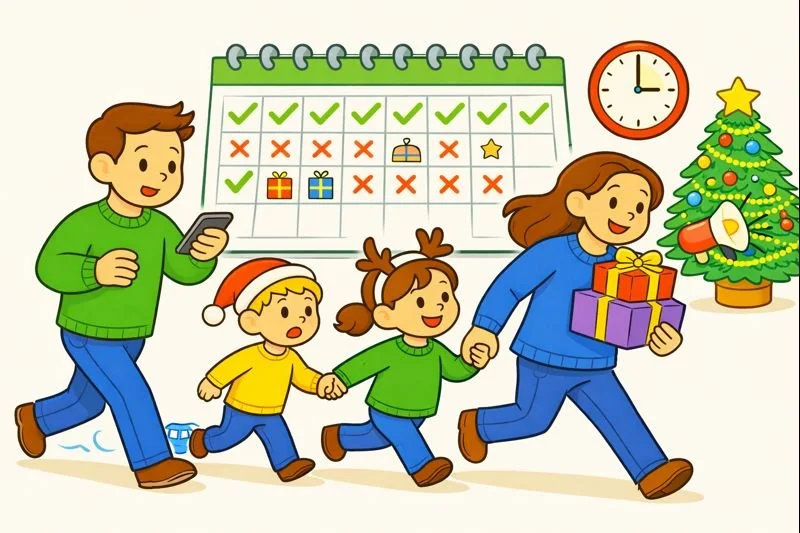
Festive seasons are filled with excitement, change, and heightened emotions. Routines shift, homes feel busier, and expectations rise — all of which can make sibling dynamics more challenging. Even siblings who usually get along may struggle with patience, sharing, and emotional regulation during these times.
Children are not misbehaving on purpose. They are responding to overstimulation, uncertainty, and the emotional intensity that holidays bring. Understanding this helps parents approach sibling conflict with empathy rather than frustration, laying the groundwork for cooperation instead of competition.


Understanding What’s Really Behind Sibling Struggles
Sibling conflict during festive seasons often stems from unmet needs rather than intentional conflict. Kids may be seeking reassurance, fairness, or connection during times that feel unpredictable.
Common underlying needs include:
A desire for individual attention
Difficulty managing excitement or disappointment
Fear of comparison or favoritism
Sensory overload from noise and activity
Fatigue from disrupted routines
When parents focus on identifying these needs, cooperation becomes a skill to support — not a behavior to force.
Setting the Emotional Tone Before Problems Arise
Parents play a powerful role in shaping sibling interactions. Before festive events begin, taking time to set expectations calmly can prevent many conflicts.
Helpful approaches include:
Talking openly about upcoming changes
Naming that big feelings are expected
Reassuring each child of their importance
Emphasizing teamwork rather than individual rewards
This proactive approach mirrors the emotional grounding families practice in Family Gratitude Circles During Dinner, where shared reflection helps children feel seen and secure.
Shifting From “Fair” to “Supportive”
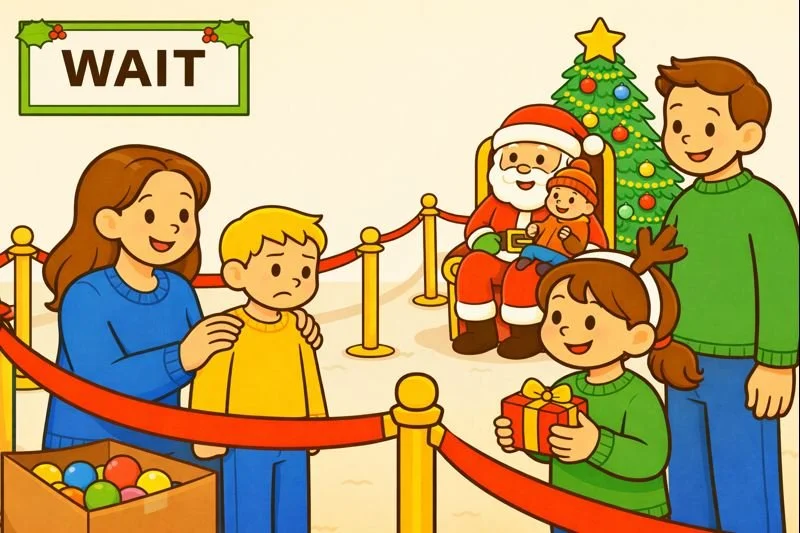
During holidays, children are especially sensitive to fairness. But “fair” doesn’t always mean “the same.” Teaching siblings that support looks different for each person reduces comparison and resentment.
Try explaining:
“Everyone gets what they need, even if it looks different.”
“We’re helping each other have a good time.”
“Taking turns doesn’t always mean equal time — it means thoughtful time.”
This mindset helps children focus on cooperation rather than keeping score.
Using Shared Responsibilities to Build Teamwork
One of the most effective ways to encourage cooperation is to give siblings shared goals. When children work together, they naturally shift from competition to collaboration.
Shared holiday responsibilities might include:
Decorating together
Setting the table as a team
Preparing a simple activity for guests
Cleaning up a shared space
Helping younger siblings with tasks
When cooperation is framed as contribution rather than obligation, siblings feel capable and connected.
Creating Cooperative Rituals Just for Siblings
Sibling-specific rituals give children opportunities to connect without adult comparison or interruption. These moments don’t need to be long — just intentional.
Ideas include:
A short daily cooperative game
Building or creating something together
A shared countdown activity
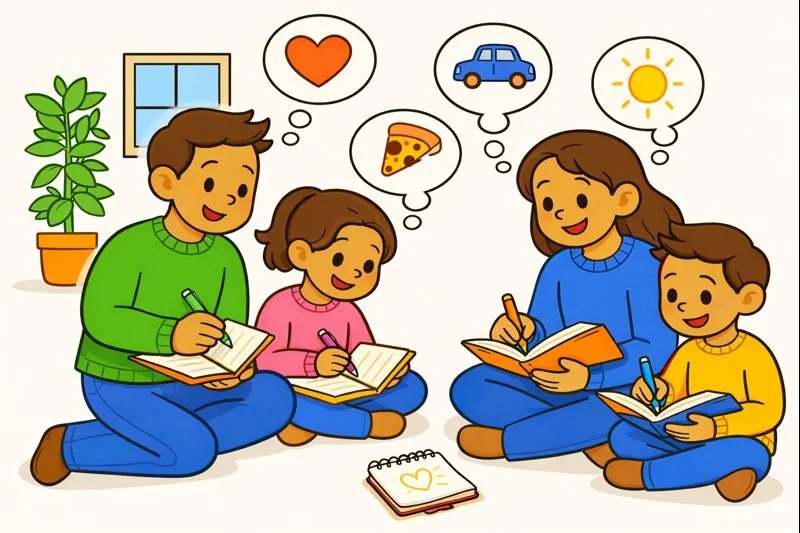
Reading or storytelling as a pair
Completing a small kindness challenge together
These rituals echo the connection-building approach in Creative Family Countdown Activities, where shared experiences help children move toward a common goal.
Teaching Conflict Repair Instead of Avoidance
Conflict is inevitable — especially during busy seasons. Rather than trying to prevent every disagreement, parents can focus on teaching repair.
Support siblings by:
Naming emotions without assigning blame
Encouraging listening rather than winning
Modeling apology and forgiveness
Helping children find solutions together
Over time, children learn that cooperation doesn’t mean avoiding conflict — it means working through it respectfully.
Supporting Different Temperaments During Celebrations
Festive seasons often highlight differences between siblings. One child may thrive on excitement while another feels overwhelmed.
Ways to support varied temperaments include:
Offering quiet breaks for sensitive children
Allowing active play for high-energy siblings
Avoiding forced group participation
Respecting individual boundaries
This flexibility reflects the calm, child-centered approach explored in Celebrating Winter Holidays Without Overwhelm, where honoring individual needs helps the whole family function better.
Using Language That Encourages “Us” Thinking
The language parents use shapes how children view sibling relationships. Cooperative language reinforces the idea that siblings are on the same team.
Try phrases like:
“Let’s figure this out together.”
“How can you help each other right now?”
“You both matter, and we’ll find a solution.”
“This works best when you’re a team.”
Over time, children begin to internalize cooperation as part of their identity.
Managing Comparison and Holiday Competition
Holidays can unintentionally create comparison — gifts, attention, praise, or abilities. Reducing comparison helps siblings feel less defensive and more collaborative.
Helpful strategies include:
Avoiding public comparisons
Praising effort rather than outcomes
Highlighting teamwork moments
Celebrating shared successes
These practices align with the values in How to Teach Kids to Appreciate Simplicity During Holidays, where connection matters more than accumulation or competition.
Building Long-Term Cooperative Skills Beyond the Holidays
The cooperative habits children practice during festive seasons don’t disappear when decorations come down. They become part of how siblings relate year-round.
When families support sibling cooperation intentionally, children develop:
Stronger emotional regulation
Better communication skills
Greater empathy
Confidence in shared problem-solving
A sense of belonging within the family
Festive seasons may bring challenges, but they also offer powerful opportunities. With guidance, patience, and intention, siblings can learn that working together makes celebrations — and everyday life — richer, calmer, and more joyful.
This content is for educational purposes and is not a substitute for professional medical or psychological advice.