Teaching Patience During Holiday Wait Times
Teaching Patience During Holiday Wait Times
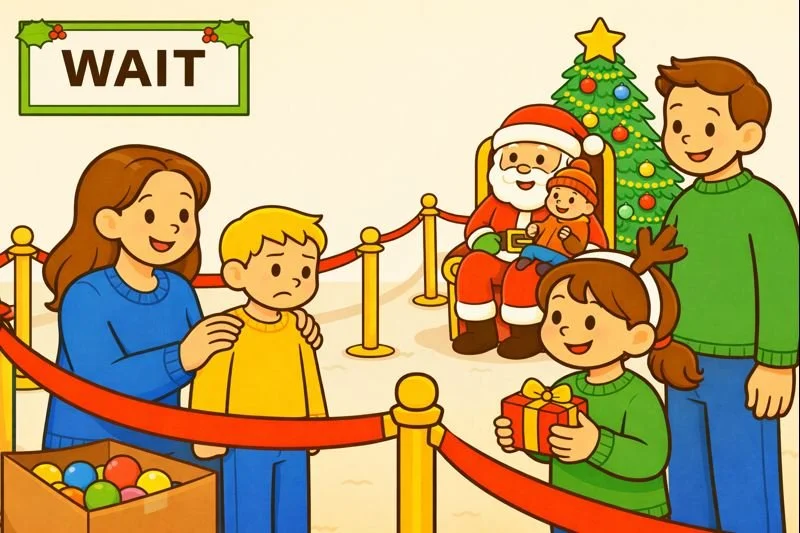
Why Waiting Feels Harder for Kids During Holidays
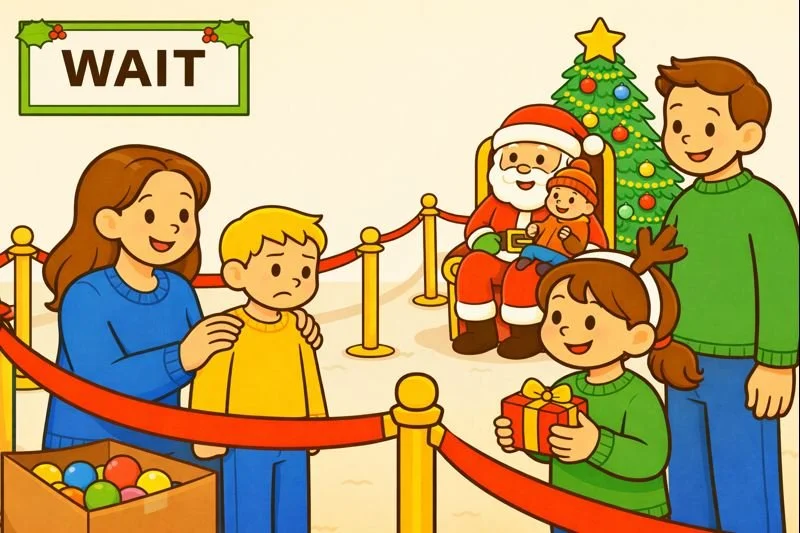
Holiday seasons are full of anticipation. Special events, visitors, treats, and changes to routine can make waiting feel especially difficult for young children. Time feels abstract to kids, and when excitement is high, patience becomes even harder to practice.
Children aren’t being impatient to be difficult — they’re responding to big emotions they don’t yet know how to manage. Understanding this helps parents approach wait times as teaching moments rather than behavioral problems, setting the stage for calm guidance instead of constant correction.


How Children Experience Time Differently Than Adults
Young children experience time emotionally, not logically. A few minutes can feel endless, and a “soon” without context can create anxiety or frustration.
Children often struggle with:
Abstract timelines
Unclear expectations
Anticipation without structure
Emotional buildup without release
When adults remember that waiting feels different to kids, it becomes easier to respond with empathy and support.
Preparing Kids for Waiting Before It Happens
One of the most effective ways to teach patience is to prepare children ahead of time. Predictability reduces stress and helps kids feel more in control.
Helpful preparation includes:
Explaining what will happen next in simple terms
Letting children know how long they’ll wait using concrete language
Talking about what they can do while waiting
Acknowledging that waiting can feel hard
This kind of emotional preparation reflects the grounding approach families use in Family Gratitude Circles During Dinner, where naming expectations helps everyone feel more settled.
Making Waiting Visible and Understandable
When children can see time passing, waiting becomes more manageable. Visual cues help translate abstract concepts into something concrete.
Effective tools include:
Sand timers
Simple countdown visuals
Watching a familiar routine complete
Breaking waiting into smaller parts
These strategies don’t eliminate waiting — they make it understandable.
Teaching Patience Through Gentle Distraction
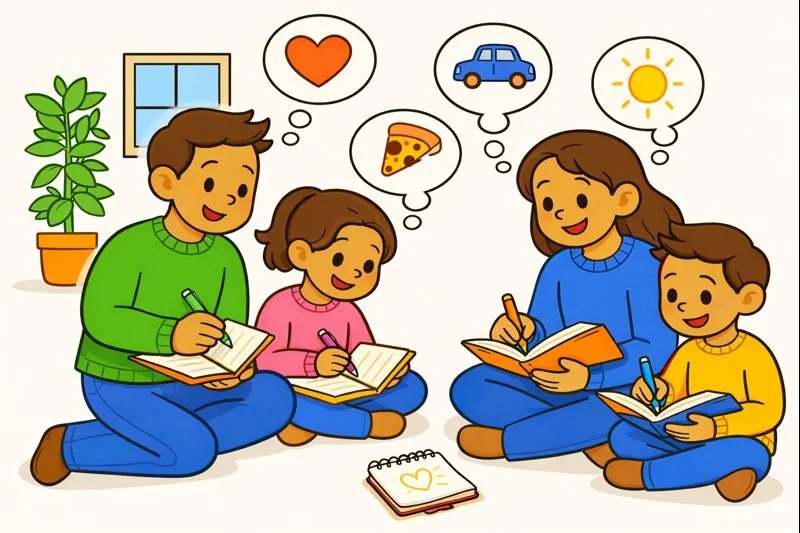
Patience doesn’t always mean sitting still. For children, purposeful engagement can make waiting feel easier and calmer.
Gentle waiting activities might include:
Looking at picture books
Drawing or coloring
Playing quiet games
Telling stories together
Listening to calm music
These moments of engagement help children regulate emotions while time passes naturally.
Using Language That Supports Emotional Regulation
The words parents use during wait times shape how children experience them. Calm, validating language helps children feel supported rather than dismissed.
Helpful phrases include:
“Waiting is hard, and I’m here with you.”
“We’re waiting together.”
“Let’s find something cozy to do while we wait.”
“You’re doing a good job being patient.”
This mirrors the supportive communication encouraged in Encouraging Sibling Cooperation During Festive Seasons, where empathy strengthens emotional skills.
Turning Wait Times Into Connection Moments
Holiday wait times don’t have to feel empty or stressful. They can become opportunities for connection.
Ideas include:
Sharing a short story
Playing a verbal game
Talking about feelings
Reflecting on what’s coming next
Offering physical comfort like holding hands
When children feel connected, waiting feels less overwhelming.
Supporting Kids When Waiting Triggers Big Emotions
Some children react strongly to waiting, especially when tired, hungry, or overstimulated. Recognizing these moments helps parents respond with care.
Signs a child may need extra support:
Meltdowns or tears
Clinginess
Increased irritability
Difficulty listening
In these moments, focus on calming before teaching. Emotional regulation always comes before patience.
Modeling Patience as a Parent
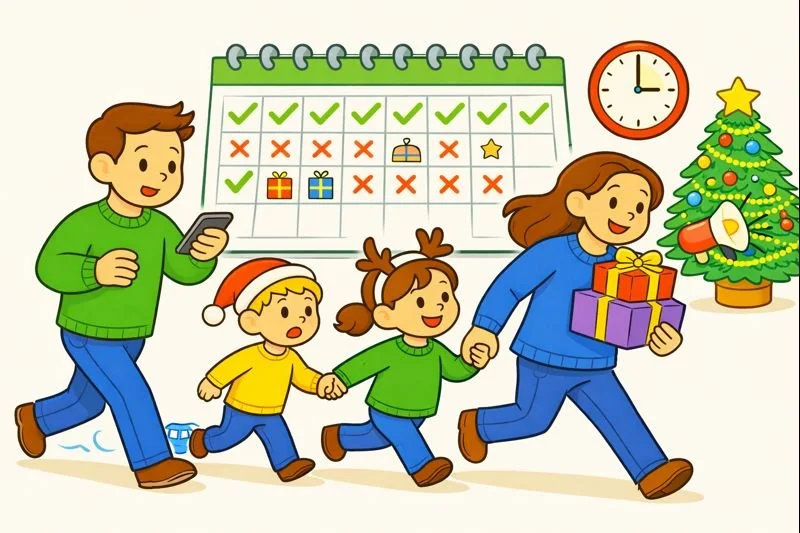
Children learn patience most effectively by watching adults practice it. During holidays, parents often feel rushed — but modeling calm waiting makes a powerful impression.
Ways to model patience include:
Speaking calmly during delays
Naming your own feelings
Taking deep breaths visibly
Avoiding rushed reactions
This modeling reinforces the values explored in How to Teach Kids to Appreciate Simplicity During Holidays, where slowing down helps everyone feel more grounded.
Helping Kids Celebrate Small Waiting Wins
Recognizing progress helps children build confidence in their ability to wait.
Celebrate moments like:
Waiting quietly for a short time
Using a strategy to stay calm
Asking questions instead of melting down
Recovering after frustration
These small acknowledgments align naturally with How to Celebrate Small Wins Year-Round, reinforcing effort rather than perfection.
Building Lifelong Patience Skills Beyond the Holidays
The patience children practice during holiday wait times becomes part of their long-term emotional toolkit. Over time, kids who are supported through waiting learn that discomfort is temporary and manageable.
Teaching patience helps children develop:
Emotional resilience
Self-regulation skills
Trust in caregivers
Confidence in managing frustration
Holidays may bring extra waiting, but they also offer rich opportunities to teach patience in ways that feel warm, supportive, and connected. With guidance and empathy, waiting becomes less about frustration — and more about growth.
This content is for educational purposes and is not a substitute for professional medical or psychological advice.