Simple Homemade Gifts Kids Can Make and Give
Simple Homemade Gifts Kids Can Make and Give
Why Homemade Gifts Matter More Than Store-Bought
The holiday season often becomes centered around shopping lists, budgets, and finding “the perfect gift.” But for children, heartfelt gifts made with their own hands can carry far more meaning than anything bought from a store. Homemade gifts teach children that appreciation, thoughtfulness, and creativity can be just as valuable as money.
These small acts of giving help kids develop:
Emotional expression through creativity
Empathy and awareness of others’ interests
Confidence from making something with purpose
Ownership over their role in family traditions
When the process of making a gift becomes just as meaningful as giving it, children step into the deeper spirit of the season—connection over consumption.


Keeping It Simple and Joyful (Not Stressful)
Homemade gifts don’t need to be fancy or perfect. In fact, a child’s joyful effort can be the gift itself. The goal is to create a relaxed environment that sparks creativity rather than pressure.
To protect the fun, consider:
Choosing only one or two simple materials per project
Keeping time frames short (10–20 minutes for younger kids)
Letting kids explore without correcting or perfecting
Emphasizing “thoughtful” over “pretty”
You can even make a “cozy crafting corner” with basic supplies like markers, stickers, glue sticks, paper scraps, and ribbon—ready to go anytime inspiration strikes.
The Power of Personalization
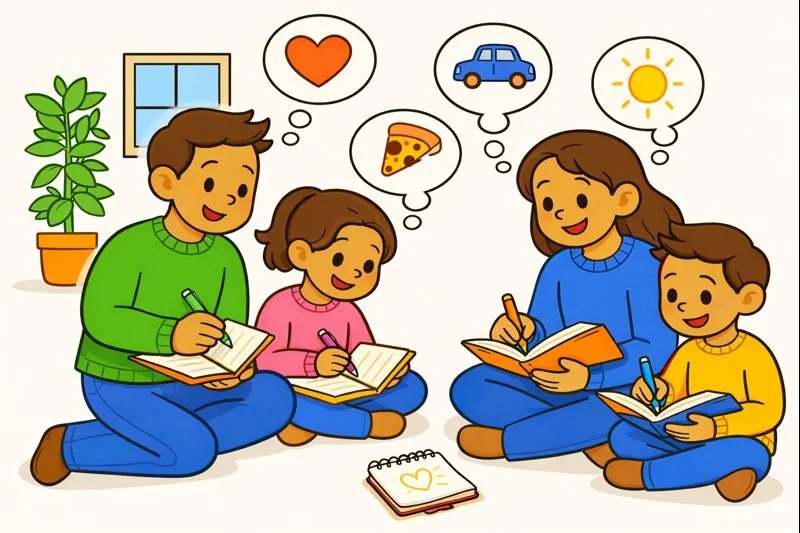
Kids love knowing: “This gift is just for them.” Personalizing gifts helps children think from someone else’s perspective—an important emotional milestone. Try asking:
What does Grandma like to do?
What colors does your cousin love?
What makes your teacher smile?
This turns gift-giving into a thoughtful exercise in empathy. Even the youngest children can participate using colors, drawings, or simple messages like “I love you” or “you make me happy.”
Encouraging personal touches naturally builds emotional intelligence, especially when paired with gentle discussion. The article Teaching Respectful Communication During Conflict can help kids practice positive expression while discussing how gifts make people feel.
Easy Homemade Gifts for Toddlers
Children ages 1–4 can participate in gift-making through sensory and simple decorating experiences. Try:
Fingerpaint Frames: Use poster board cut into a frame shape and let them paint it freely. Put a photo inside later.
Handprint Keepsakes: Trace or press their hands onto paper or fabric for decor or cards.
Sticker Cards: Provide blank cards and various stickers—kids arrange as they wish.
Decorated Bookmarks: Use cardstock with stickers or scribbles; add a ribbon on top.
Be sure to celebrate effort over neatness! For toddlers, the experience of caring is more important than the final product.
Easy Homemade Gifts for Preschoolers & Early Elementary
As kids’ fine motor skills grow, so do their options. These age-appropriate gifts build confidence while still keeping things simple:
Mason Jar Snack Mix (dried fruit, cereal, pretzels, marshmallows)
Painted Flowerpots for grandparents or neighbors
Homemade Coupons (e.g., “One big hug,” “Help with dishes,” or “Storytime together”)
Decorated Magnets using craft foam or recycled materials
DIY Picture Coasters with drawings or printed photos under clear laminate
These projects allow children to feel capable while still staying within manageable time and material limits.
Gifts Older Kids Can Create With Purpose
As children grow, giving can become a personal expression of identity. Older kids may enjoy projects with more intention, such as:
Memory Jars – fill with happy notes or shared stories
Playlist Cards – write a song list for someone and decorate it
Handmade Calendars – simple drawings or photos for each month
Recipe Cards – write down a favorite family recipe for relatives
Homemade Bath Salts or Sugar Scrubs – easy with just oil, sugar, and essential oils (if available)
This age group thrives when their ideas are taken seriously. Let them experiment—and proudly give gifts that reflect their personality.
Displaying and Wrapping Kid-Made Gifts
Wrapping gifts can be an extension of creativity. Children can:
Stamp or paint plain paper
Tie ribbon or yarn around boxes
Add little hand-drawn gift tags
Use paper bags as gift pouches and decorate them
Letting them wrap their own gifts builds ownership and anticipation. They’ll naturally begin to learn presentation, thoughtfulness, and care through hands-on work.
Practice Thoughtful Giving Through Role Play
Some children feel shy or anxious about giving gifts face-to-face. Role play can help them express themselves. Try:
Pretending to give a gift to a puppet or stuffed animal
Practicing saying: “I made this just for you!”
Rehearsing what to say if the recipient doesn’t respond as expected
This prepares kids socially and emotionally—and can build communication confidence in other areas of life. Pairing role play with storytelling strategies from The Power of Shared Family Reflections Before Bed can help deepen reflection and meaning.
When a Gift Doesn’t Go as Expected
Even with the best intentions, not every gift moment goes perfectly. A child might feel disappointed if their gift isn’t praised—or anxious if their creation doesn’t look “good enough.”
When this happens, reassure them:
Effort is what makes a gift special
Love doesn’t depend on reactions
Mistakes are part of learning
Gifts don’t need to look perfect—they just need to be kind
Use phrases like: “I saw how much care you put into this. That’s what matters.” Moments like these help children develop resilience and emotional strength during social interactions.
Building a Family Tradition of Giving
You can turn homemade gifts into a yearly tradition. Choose a day for a “Family Gift-Making Workshop.” Include music, snacks, and cozy lighting. Let everyone—adults included—create something.
Other tradition ideas:
Host a “gift trade” within the family
Choose one neighbor or friend to surprise
Record video messages to go with each gift
Create a digital memory folder of all kid-made creations
Add homemade gifts to the Kindness Countdown
Over time, your child won’t remember how “perfect” the gifts looked—but they will remember the feeling of being part of something meaningful.
Gifts Made From the Heart Last the Longest
The magic of homemade gifts lies not in the materials—but in the intention. They teach kids that giving comes from love, creativity, and connection.
Years from now, the people who received these small handmade gifts might forget what they got—but they’ll remember how your child made them feel. And your child will remember a holiday season that felt warm, calm, and purposeful—not busy or rushed.
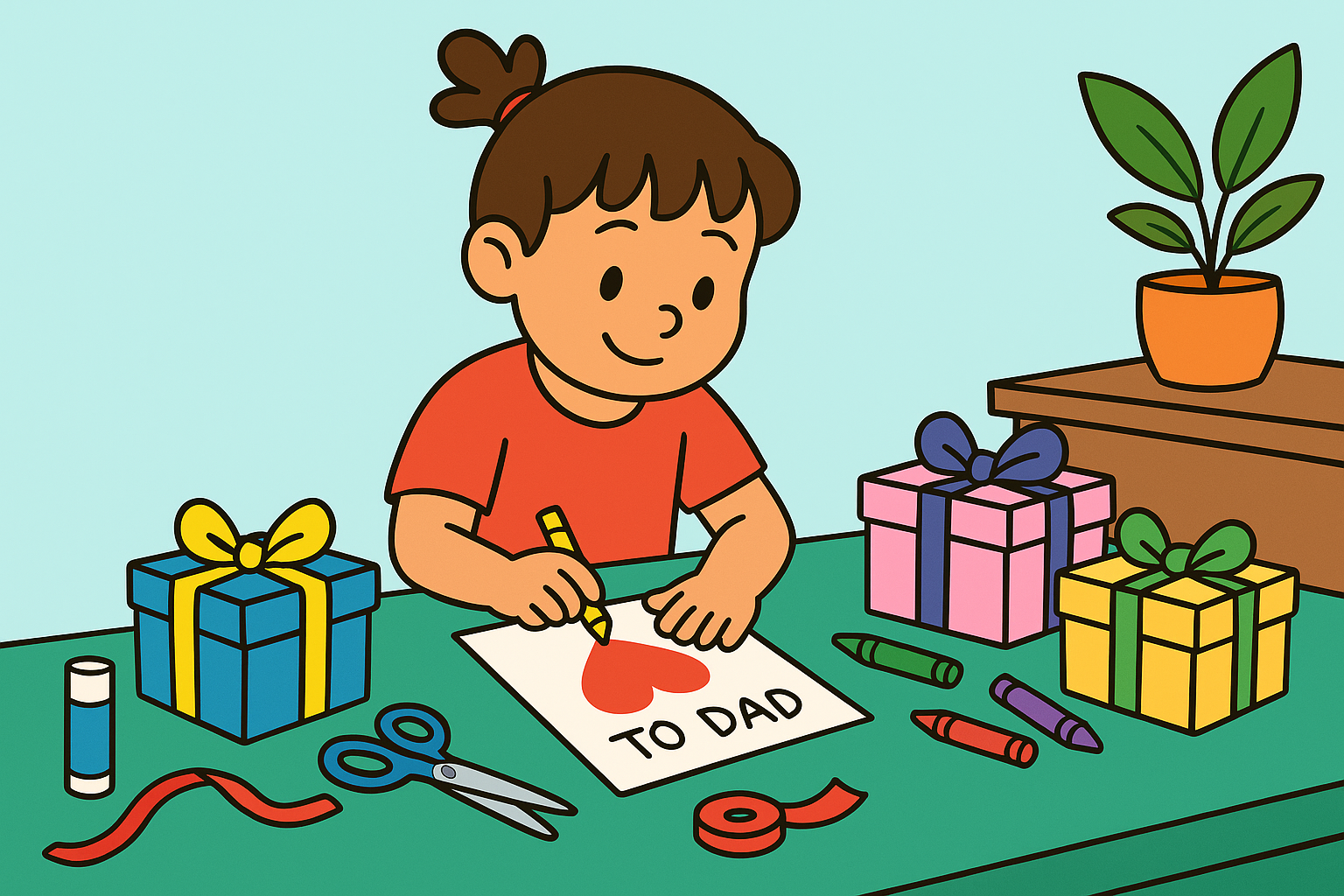
That is a gift that lasts a lifetime—and it begins at your kitchen table, with a child, a glue stick, and a moment of pure intention.
This content is for educational purposes and is not a substitute for professional medical or psychological advice.