The Role of Music Apps in Learning and Creativity
The Role of Music Apps in Learning and Creativity
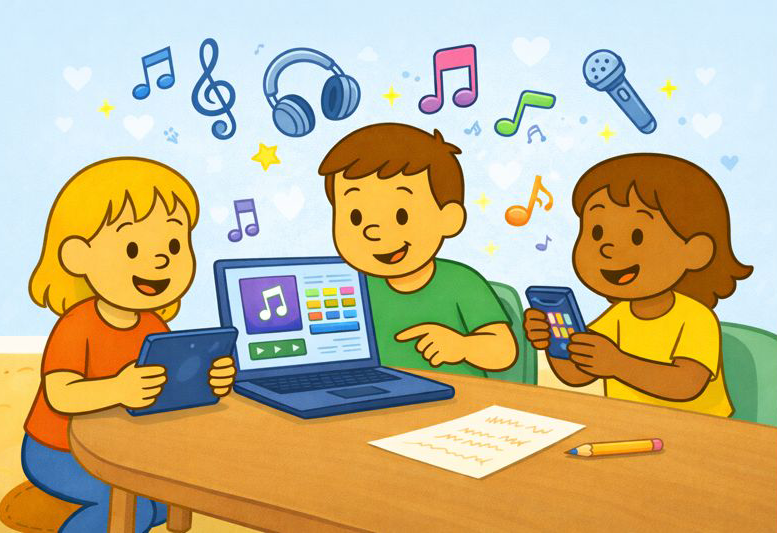
Why Music and Technology Are a Natural Pair
Music has always been part of how children learn. Long before apps and devices, kids explored rhythm by clapping, humming, banging pots, or singing songs they made up on the spot. Today, music apps extend that instinct into digital spaces — offering new tools without changing the core desire to create.
For families navigating technology thoughtfully, music apps often feel different from other screen experiences. They invite participation rather than passivity. Children aren’t just watching or scrolling; they’re tapping beats, experimenting with sounds, and expressing themselves.
When used intentionally, music apps can support learning, creativity, and emotional expression — especially when they complement real-world play rather than replace it.


How Music Supports Brain Development
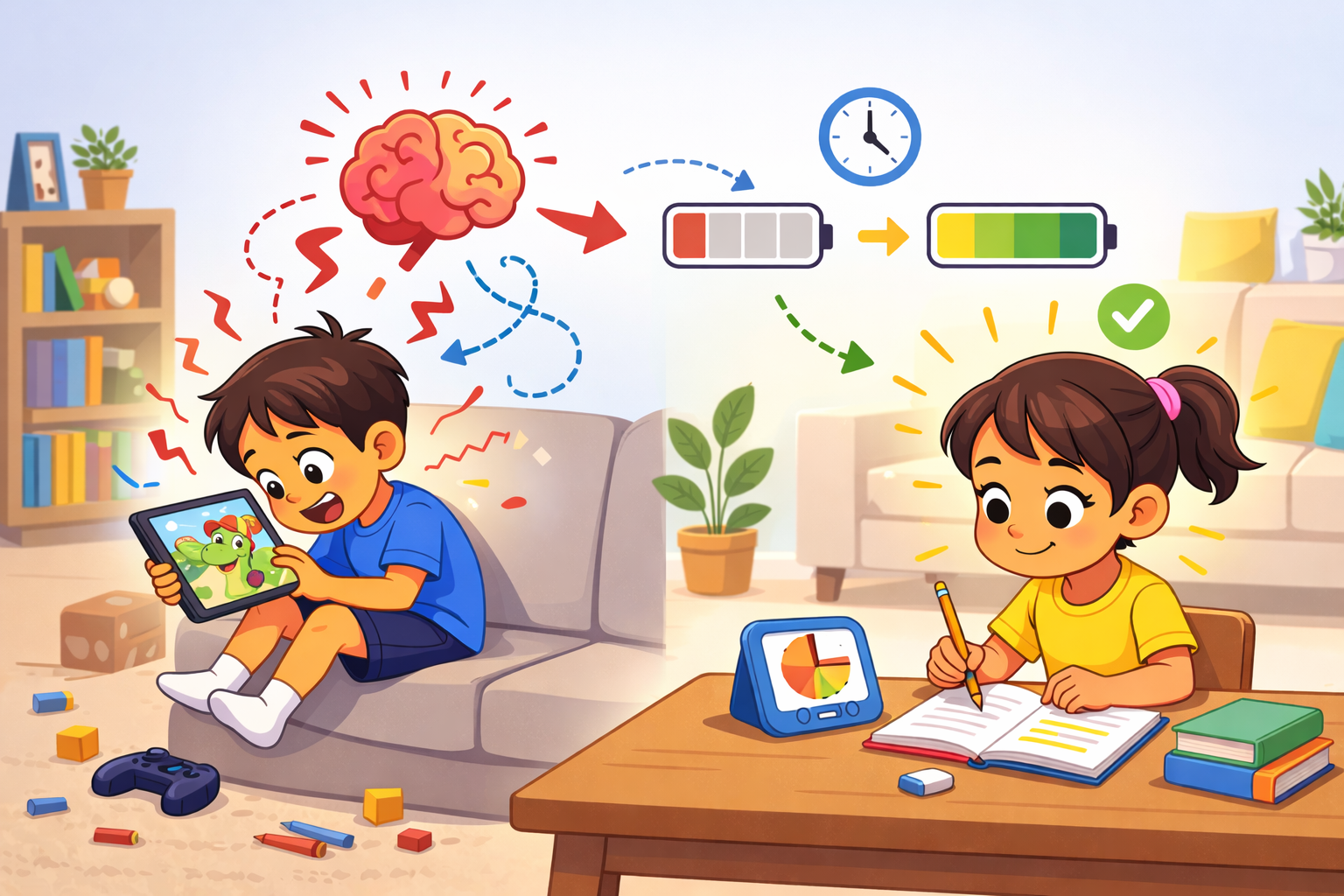
Music engages multiple areas of the brain at once. Rhythm, melody, memory, and movement all work together, making music a powerful learning tool — with or without technology.
Regular musical engagement helps children develop:
Auditory processing and listening skills
Pattern recognition and sequencing
Memory and recall
Coordination and timing
Music apps build on these benefits by offering interactive ways to explore sound. Children can repeat patterns, adjust tempo, and experiment freely — reinforcing learning through play rather than instruction.
Creativity Over Consumption
One of the biggest advantages of music apps is that they can shift children from consuming content to creating it. Instead of pressing play and watching, kids become composers, performers, and sound explorers.
High-quality music apps often allow children to:
Mix sounds and instruments
Create original rhythms or melodies
Record and replay their work
Experiment without “right” or “wrong” answers
This creative focus aligns closely with the principles in The Role of Technology in Early Learning: Finding the Sweet Spot, where technology supports exploration rather than passive entertainment.
Supporting Emotional Expression Through Music
Children often express emotions through sound before they can fully explain them with words. Music apps give kids another outlet for feelings — especially during moments of excitement, frustration, or calm.
Through musical play, children can:
Release energy through rhythm
Explore mood through tempo and tone
Self-soothe with familiar sounds
Build confidence expressing themselves
When children use music as a tool for emotional expression, technology becomes a support for regulation rather than a source of overstimulation.
Choosing Music Apps That Truly Support Learning
Not all music apps are created with children’s development in mind. Some focus more on flashy visuals than meaningful interaction. Choosing well makes a big difference.
Supportive music apps typically:
Encourage open-ended creation
Avoid excessive ads or distractions
Offer simple, intuitive controls
Allow exploration without pressure
These considerations echo guidance in The Benefits of Educational Apps (and How to Choose Them Wisely), where the focus stays on engagement, safety, and developmental value.
Blending Digital Music with Real-World Play
The most effective use of music apps happens when they spark offline creativity rather than replace it. A rhythm created on a tablet can turn into a dance. A melody can inspire singing or instrument play.
Families often find success by:
Using apps as inspiration, then moving offline
Pairing digital beats with movement or dance
Recreating app-made rhythms using household items
Encouraging kids to perform their creations
This balance reflects ideas in Encouraging Balance Between Tech and Real-World Play, where technology enhances imagination instead of crowding it out.
Building Confidence Through Musical Exploration
Music apps provide a low-pressure environment where children can try, adjust, and try again. There’s no audience unless they choose one, and mistakes feel like part of the process.
This kind of exploration helps children:
Build confidence taking creative risks
Develop persistence through experimentation
Feel ownership over their ideas
Experience pride in finished creations
Because music apps often lack rigid scoring systems, children can focus on enjoyment and expression rather than performance.
Using Music Apps to Create Calm
Music isn’t only about energy and excitement. Gentle sounds and slow rhythms can help children reset and regulate, especially during transitions or quiet moments.
Families sometimes use music apps:
During calm-down time
As part of bedtime routines
After busy or overstimulating days
During quiet creative play
Replacing visual media with intentional audio aligns beautifully with Replacing Background TV with Intentional Family Soundscapes, where sound supports presence rather than distraction.
Making Music a Shared Family Experience
Music apps don’t have to be solitary. Many families use them together, turning music-making into a shared experience rather than individual screen time.
Shared musical play can:
Spark laughter and collaboration
Encourage turn-taking
Strengthen family connection
Model creative confidence
When parents join in, children see that creativity doesn’t require perfection — only curiosity.
Avoiding Overstimulation While Using Music Apps
Like any technology, music apps work best when used with intention. Bright visuals, constant sound effects, or rapid transitions can overwhelm some children.
Helpful strategies include:
Keeping sessions short and purposeful
Choosing apps with simple visuals
Watching for signs of overstimulation
Pairing music time with quiet afterward
When families stay tuned into their child’s cues, music apps remain a supportive tool rather than a source of overload.
Music Apps as One Part of a Creative Life
Music apps aren’t meant to replace singing, dancing, or real instruments. They’re one piece of a much larger creative picture — offering access, experimentation, and inspiration.
At Fuzzigram, we believe technology works best when it expands children’s ability to express themselves. When music apps are used thoughtfully, they help children explore sound, emotion, and imagination in ways that feel joyful and empowering.
Music has always helped children learn who they are. With care and balance, music apps can support that journey — turning technology into a creative partner rather than a distraction.
This content is for educational purposes and is not a substitute for professional medical or psychological advice.