Using Digital Tools for Emotional Expression
Using Digital Tools for Emotional Expression
Why Emotional Expression Matters in the Digital Age
Children experience big feelings long before they have the language to explain them. Frustration, excitement, jealousy, sadness, pride — these emotions show up daily, often all at once. For many kids, especially younger ones, expressing those feelings verbally can feel overwhelming or impossible.
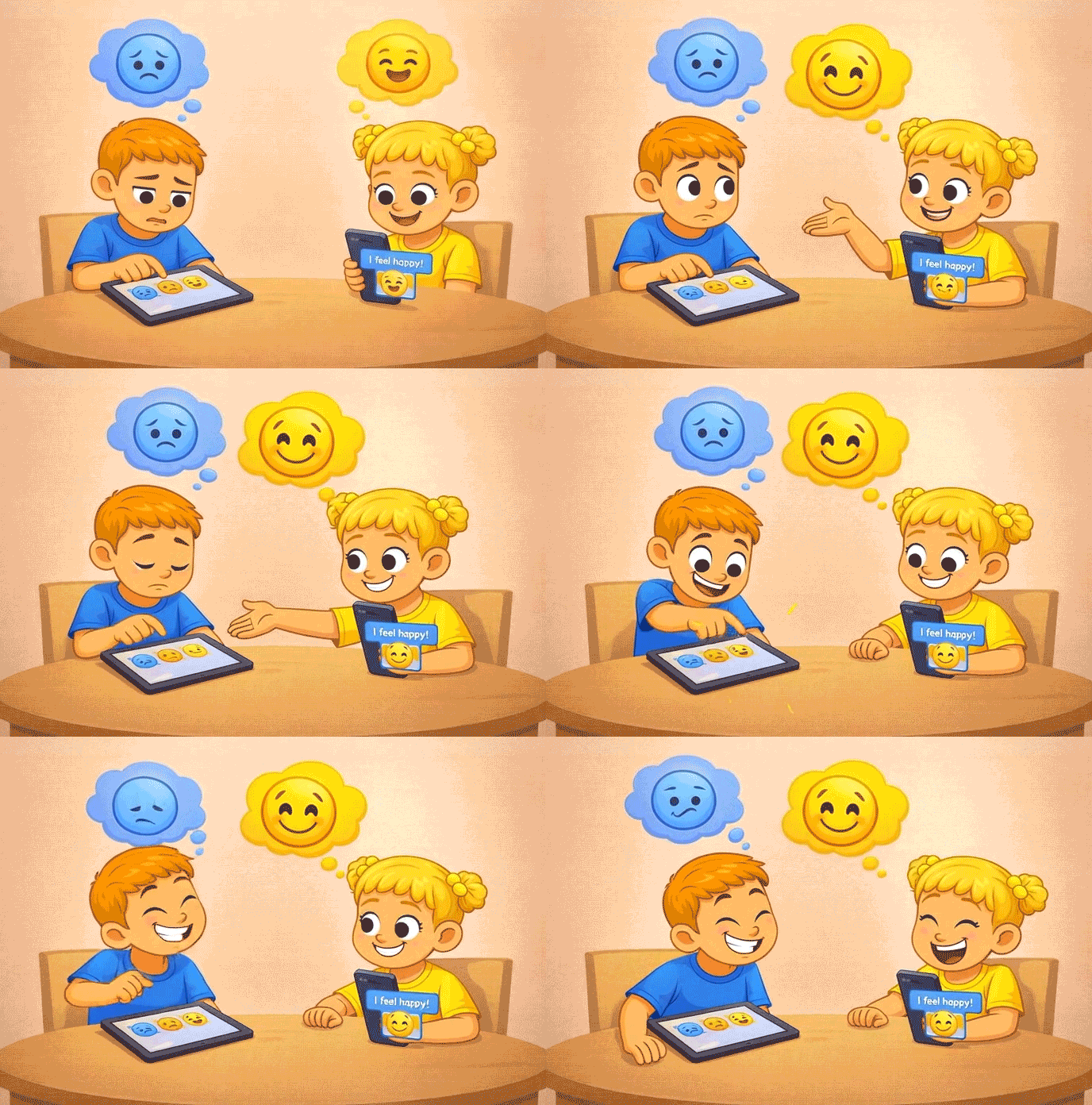
Digital tools, when used intentionally, can offer children additional pathways for emotional expression. Drawing apps, music tools, voice recordings, photos, and simple storytelling platforms allow kids to show what they feel when words fall short. These tools don’t replace real-world connection — they expand it.
When families view technology as a tool for expression rather than distraction, screens can become a bridge to emotional understanding instead of a barrier.


What Counts as Emotional Expression Through Technology
Emotional expression doesn’t require therapy apps or complex programs. For kids, it often looks simple and creative.
Digital emotional expression may include:
Drawing feelings with colors or shapes
Making music that matches a mood
Recording voice notes or stories
Taking photos that capture emotions
The goal isn’t accuracy — it’s communication.
Why Some Kids Express Feelings More Easily Through Screens
For certain children, digital tools lower the pressure of face-to-face expression. Screens can feel safer, more controllable, and less vulnerable.
Kids may prefer digital expression because:
There’s time to think before sharing
There’s no immediate reaction to manage
Creativity replaces direct explanation
This doesn’t mean kids are avoiding emotions — they’re finding an entry point that works for them.
Choosing Tools That Support Expression (Not Overstimulation)
Not all digital tools support emotional expression equally. Tools that are too fast, noisy, or reward-driven can override reflection instead of supporting it.
Expression-friendly tools often:
Allow open-ended creation
Avoid time pressure or scoring
Use calm visuals and sounds
Encourage personalization
Choosing thoughtfully keeps emotional expression from turning into distraction.
Using Creative Apps to Name and Explore Feelings
Creative digital tools give kids a way to externalize what’s happening inside them. A drawing, song, or short video can become a conversation starter.
Parents often notice kids using digital creativity to:
Recreate emotionally charged moments
Explore “what if” scenarios
Express feelings indirectly
This process supports emotional awareness similar to The Emotional Side of Tech: Teaching Self-Regulation with Devices, where expression leads to regulation.
Letting Expression Be Private Before It’s Shared
Not every emotional creation needs an audience. For many kids, knowing they don’t have to share makes expression safer.
Healthy emotional tech use includes:
Letting kids create without explaining
Avoiding pressure to perform or post
Respecting ownership of creations
Privacy builds trust — and often leads to more openness later.
Avoiding the Urge to Interpret or Correct
When kids express emotions digitally, adults may feel tempted to analyze, label, or “fix” what they see. But expression doesn’t always need interpretation.
Sometimes a drawing is just a release. A song is just noise. A story is just play. When parents stay curious instead of corrective, kids keep expressing.
Listening matters more than decoding.
Supporting Resilience Through Digital Expression
Emotional expression helps kids process challenges and bounce back from difficult experiences.
Digital tools can support resilience by helping kids:
Reflect on tough moments
Reframe experiences creatively
Practice problem-solving
This approach connects with Building Digital Resilience: Helping Kids Handle Online Challenges, where expression strengthens coping skills.
Blending Digital Expression With Offline Support
Digital tools work best when paired with real-world connection. A creation can open the door to conversation, comfort, or play.
Families can support this blend by:
Asking open-ended questions
Connecting creations to real experiences
Encouraging offline follow-up activities
Modeling Emotional Expression as Adults
Kids learn how to express emotions by watching adults do it. When parents use tools to process feelings openly, kids take note.
Modeling might include:
Journaling digitally
Sharing music that reflects a mood
Talking about why you created something
This modeling helps normalize expression and shows kids that feelings are manageable — not something to hide.
Helping Kids Build a Language for Their Inner World
Emotional expression is a skill that grows with practice. Digital tools offer one more way for kids to experiment, reflect, and communicate what’s happening inside them.
Families who support expressive tech use often notice:
Greater emotional awareness
Fewer emotional outbursts
More meaningful conversations
Kids who seek expression instead of avoidance
This content is for educational purposes and is not a substitute for professional medical or psychological advice.