Teaching Kids to Ask for Permission Before Downloading
Teaching Kids to Ask for Permission Before Downloading
Why Downloading Feels Invisible to Kids
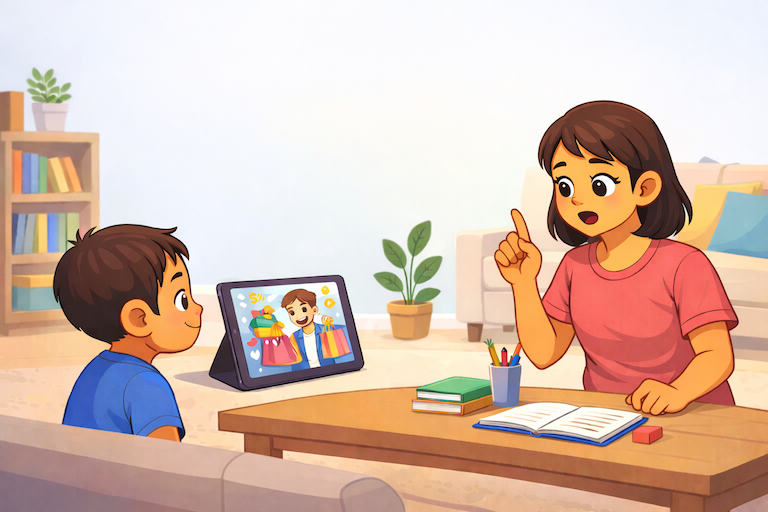
To adults, downloading an app or game feels like a decision with consequences: cost, data use, ads, safety, and long-term habits. To kids, it often feels like nothing happened. A button was tapped. Something appeared. End of story.
That invisibility is what makes downloading tricky. Kids aren’t trying to bypass rules — they often don’t perceive downloading as a meaningful action at all. There’s no physical exchange, no visible cost, and no immediate feedback that something important occurred.
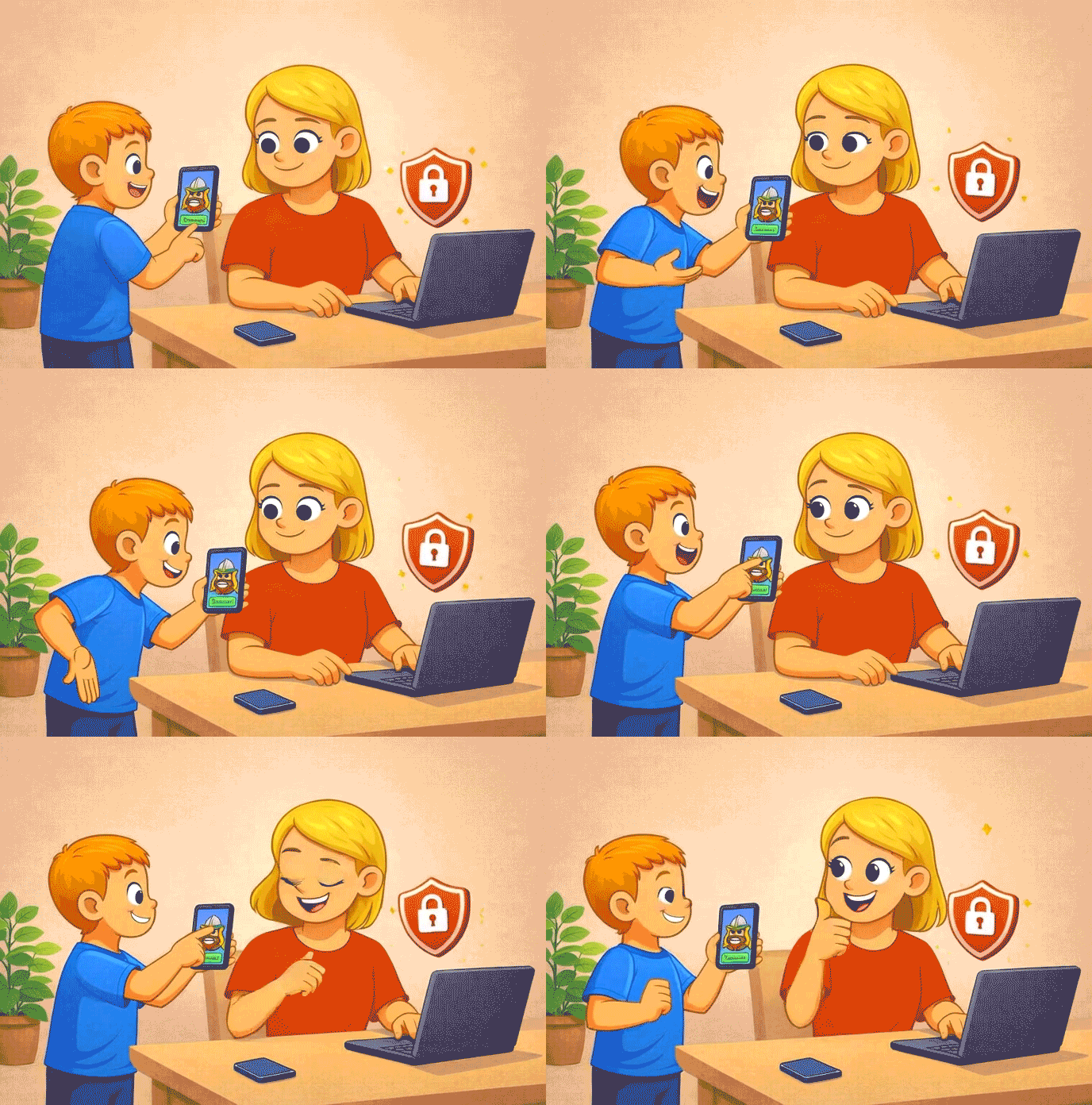
Teaching kids to ask for permission before downloading isn’t about control or mistrust. It’s about helping them understand that digital actions matter — even when they feel small or instant.


Why Kids Don’t Naturally Think to Ask
Children aren’t wired to automatically consider long-term consequences or system-level impacts. Downloading feels similar to clicking play or opening a book.
Kids often don’t ask because:
Downloads feel instant and harmless
There’s no visible transaction
The device feels personal, not shared
Curiosity overrides caution
Recognizing this gap helps parents teach skills instead of reacting with punishment.
What Kids Are Actually Learning When They Ask
Asking for permission isn’t just about approval — it’s about building awareness and judgment.
When kids practice asking, they’re learning to:
Pause before acting
Recognize shared ownership of devices
Understand that choices have impact
Include others in decisions
These are foundational digital citizenship skills, not obedience training.
Explaining Downloads in Kid-Understandable Terms
Abstract explanations about data, privacy, or money don’t always land. What works better is translating downloading into concepts kids already understand.
Parents might explain downloads as:
Bringing something new into the house
Letting a stranger into a shared space
Adding clutter that needs managing
This framing mirrors everyday decision-making kids already practice offline.
Separating Permission From “Yes”
One reason kids stop asking is that asking often feels like an automatic no. When permission always equals denial, the behavior disappears.
Permission works best when:
Asking doesn’t guarantee rejection
Curiosity is acknowledged
Conversations are short and calm
This approach aligns with Using Parental Controls Without Constant Monitoring, where trust and structure work together instead of against each other.
Teaching the Pause Before the Download
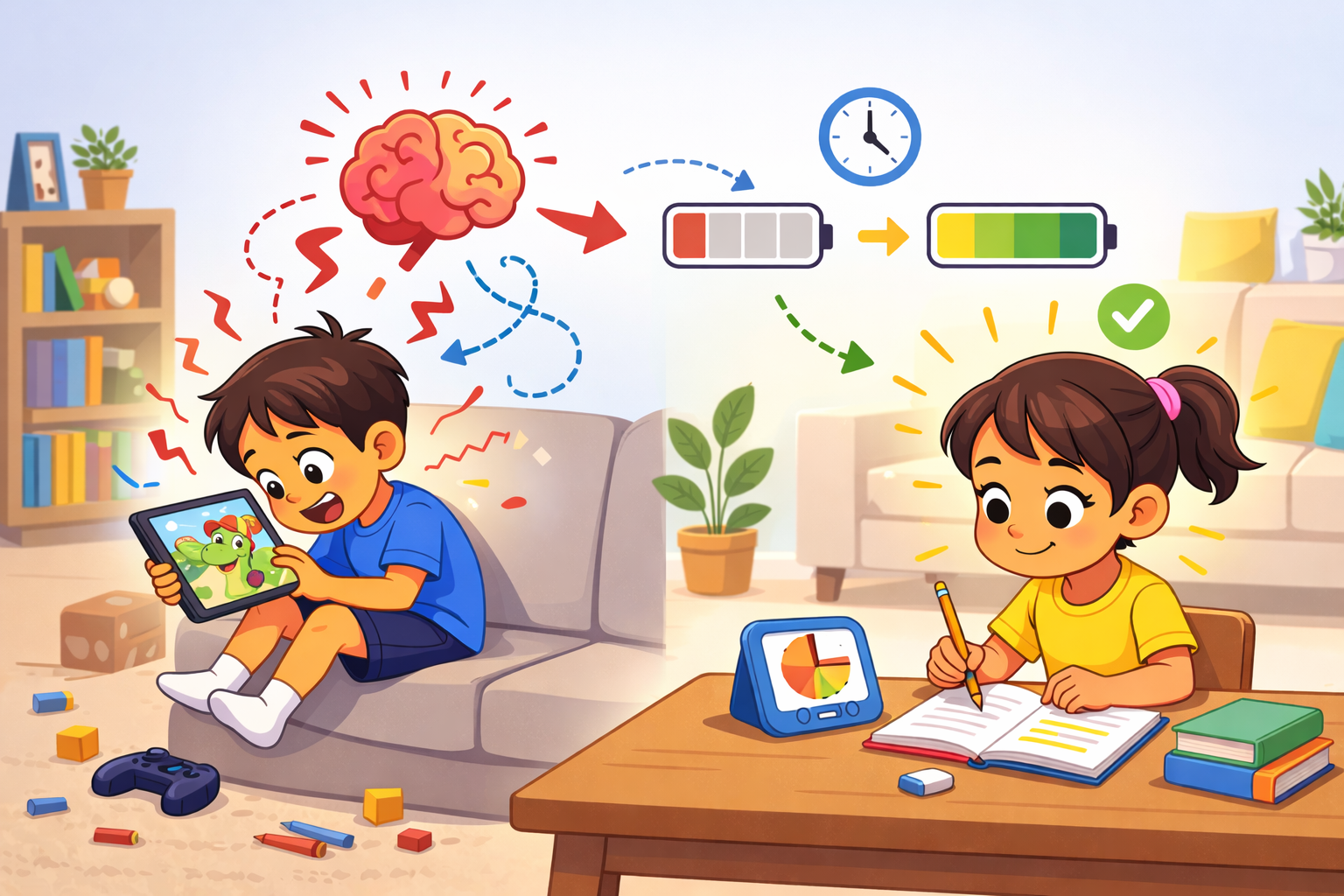
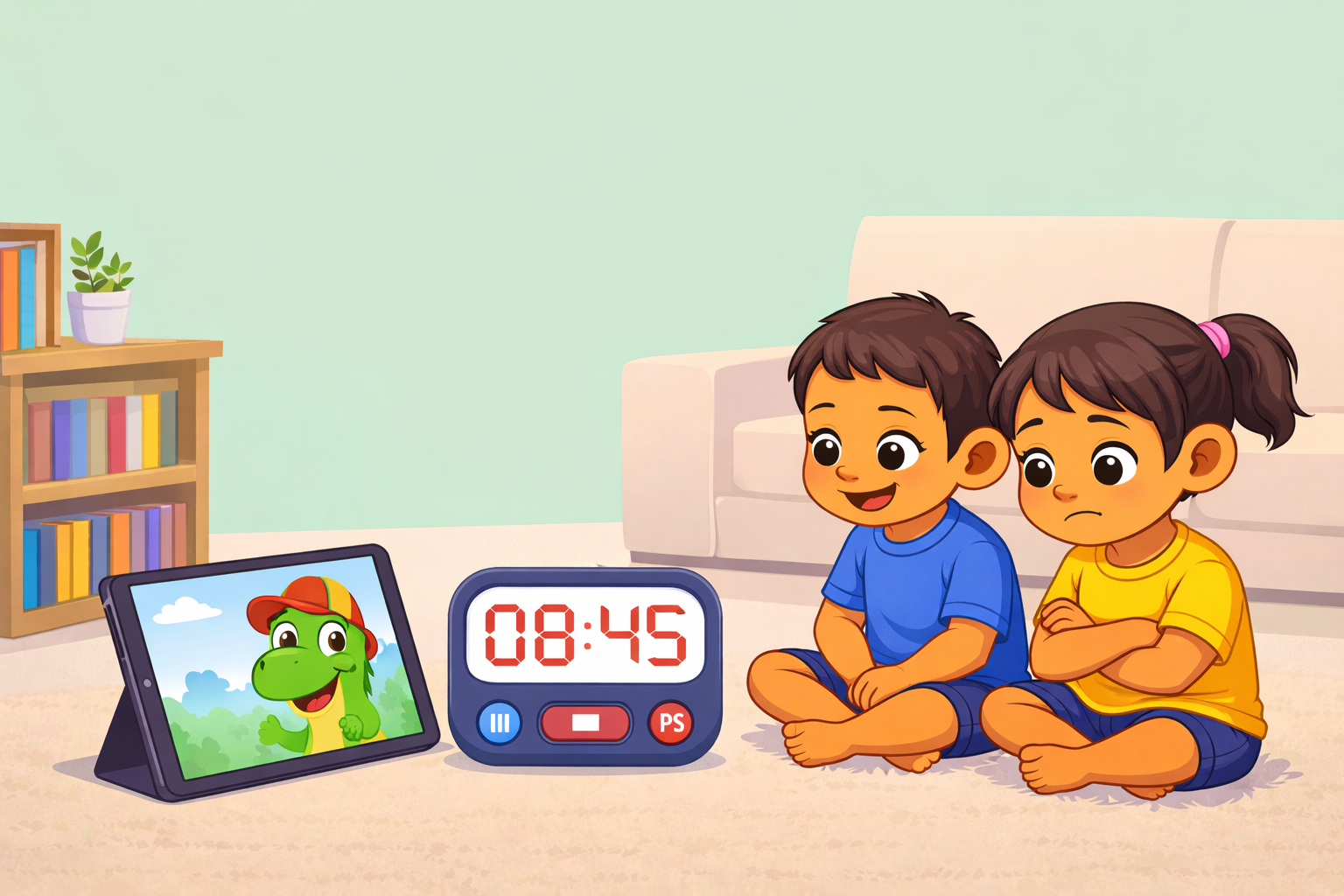
The most important skill isn’t asking — it’s pausing. Asking is simply how the pause happens.
Parents can reinforce pausing by:
Practicing “stop and ask” language
Role-playing download scenarios
Naming the pause as a skill
This reinforces ideas from Teaching Kids to Pause Before They Click, where awareness interrupts impulsive digital behavior.
Making Asking Feel Safe, Not Risky
If asking leads to lectures, frustration, or embarrassment, kids quickly learn to avoid it.
For asking to stick, kids need to feel:
Safe bringing curiosity forward
Free from overreaction
Respected even when the answer is no
When asking feels emotionally safe, honesty increases — even as kids grow more independent.
Creating Clear Family Download Expectations
Clarity reduces confusion. When expectations are vague, kids guess — and guessing often leads to mistakes.
Clear expectations might include:
Which devices require permission
What kinds of downloads are okay
When asking is always required
These expectations connect naturally with How to Create a Family Media Plan That Actually Works, where shared rules reduce daily friction.
Using Mistakes as Learning Moments
At some point, a child will download something without asking. That moment matters more than the download itself.
Parents can respond by:
Staying calm
Exploring what the child thought would happen
Restating expectations without shame
This response builds accountability without fear, supporting long-term honesty.
Gradually Increasing Autonomy With Age
As kids grow, permission should evolve — not disappear suddenly. Autonomy works best when it’s expanded intentionally.
Autonomy might grow by:
Allowing certain downloads without asking
Reviewing downloads together afterward
Shifting from permission to notification
This gradual release aligns with Preparing Kids for the Digital Future With Mindfulness, where skills grow alongside independence.
Teaching Digital Respect, Not Control
The real goal of asking for permission isn’t compliance — it’s respect. Respect for shared devices. Respect for boundaries. Respect for thoughtful decision-making.
Families who focus on skills instead of strict control often notice:
Fewer hidden downloads
More honest conversations
Kids who pause naturally before acting
Stronger trust around technology
That’s how permission becomes a skill — not a rule.
This content is for educational purposes and is not a substitute for professional medical or psychological advice.