How to Build a Family Tech Vision Statement
How to Build a Family Tech Vision Statement
Why Families Need a Tech Vision — Not Just Rules
Most families approach technology through rules: time limits, allowed apps, screen-free hours. Rules are useful, but they often change reactively — in response to conflict, exhaustion, or fear. A tech vision works differently. It gives families a north star that guides decisions before problems arise.
A family tech vision statement clarifies what you want technology to support in your home — connection, creativity, learning, rest — rather than focusing only on what to restrict. When everyone understands the “why,” the “how” becomes easier to navigate.
A clear vision doesn’t eliminate disagreements, but it reduces friction by anchoring conversations in shared values instead of moment-to-moment enforcement.


What a Family Tech Vision Statement Is (and Isn’t)
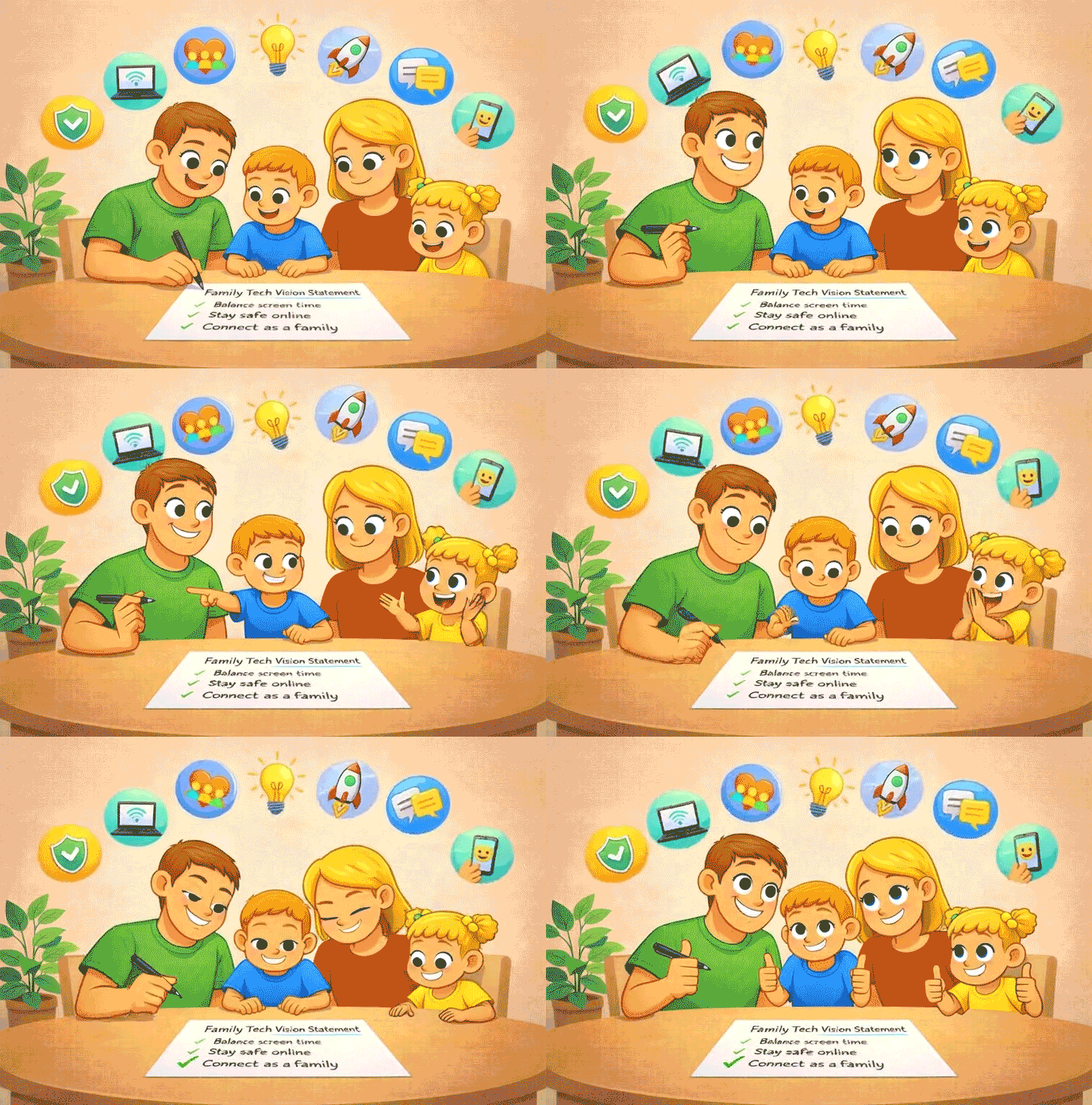
A tech vision statement is a short, shared description of how your family wants technology to fit into daily life.
A strong vision statement:
Reflects family values, not just limits
Applies across ages and devices
Evolves as kids grow
Guides decisions without micromanaging
It is not a contract, a punishment system, or a list of consequences. It’s a compass.
Starting With Values Before Screens
Before talking about devices, it helps to name what matters most to your family. Technology should support these priorities — not compete with them.
Families often identify values such as:
Connection and presence
Curiosity and learning
Creativity and expression
Rest and balance
Once values are clear, tech choices feel less arbitrary and more intentional.
Including Kids in the Vision-Building Process
Kids are more likely to respect boundaries they helped shape. Including them doesn’t mean giving them full control — it means giving them voice.
Age-appropriate involvement might include:
Asking what they like about screens
Discussing what feels hard about screen time
Naming what they want more of in family life
These conversations build buy-in and reduce the “us vs. them” dynamic around tech.
Translating Values Into Clear Language
A tech vision statement should be simple enough that everyone can remember it — including kids.
Effective statements often:
Use positive language
Focus on purpose rather than prohibition
Fit in one or two sentences
For example, a family might say their goal is to use technology to connect, learn, and create — while protecting rest and relationships.
Connecting the Vision to Daily Decisions
A vision statement only works if it’s usable. Families should be able to ask, “Does this choice align with our vision?”
This helps with decisions like:
When to allow new apps or games
How to handle screen time on busy days
What to do when conflicts arise
This alignment pairs naturally with How to Create a Family Media Plan That Actually Works, where values guide practical structure.
Letting the Vision Guide — Not Police — Behavior
A tech vision isn’t meant to hover over every decision. Its power comes from reference, not enforcement.
When families use the vision as a touchstone, conversations sound like, “Does this fit what we care about?” instead of “You broke the rule.” Over time, kids begin internalizing the values behind the boundaries.
This shift builds self-regulation and trust — far more durable than constant monitoring.
Revisiting the Vision as Kids Grow
Technology changes quickly — and so do children. A vision statement should evolve alongside developmental needs.
Families often revisit their vision:
At the start of a new school year
When introducing a new device
As kids gain independence
This flexibility keeps the vision relevant rather than restrictive, echoing ideas in Preparing Kids for the Digital Future With Mindfulness.
Using the Vision to Reduce Power Struggles
Many tech conflicts come from unclear expectations. A shared vision reduces arguments before they begin.
Parents can use the vision to:
Explain decisions calmly
Stay consistent across caregivers
De-escalate emotional moments
Modeling the Vision as Adults
A family tech vision applies to adults, too. Kids notice whether parents live the values they describe.
Modeling might include:
Putting phones away during connection time
Choosing rest over constant scrolling
Talking openly about your own tech choices
Creating a Living Statement Your Family Grows Into
A family tech vision statement isn’t a finish line — it’s a shared direction. It doesn’t need perfect wording or universal agreement to be effective. It just needs to be owned.
Families who use a vision often notice:
Fewer reactive tech decisions
Calmer conversations about screens
More consistency across ages
Kids who understand the “why” behind limits
When families know where they’re headed, screens stop steering the ship.
This content is for educational purposes and is not a substitute for professional medical or psychological advice.