How to Handle Holiday Overstimulation in Young Kids
How to Handle Holiday Overstimulation in Young Kids
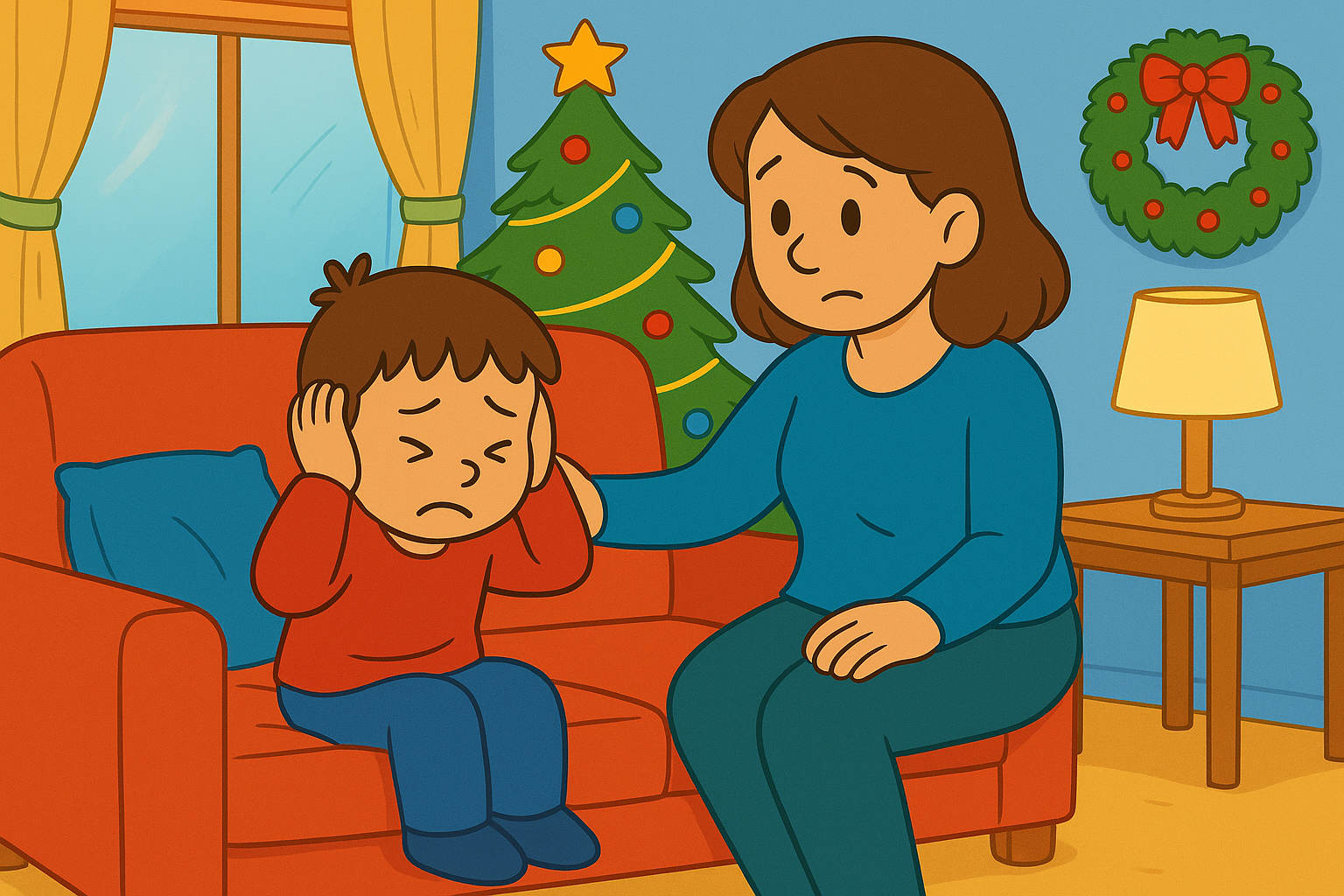
Why Overstimulation Happens During the Holidays
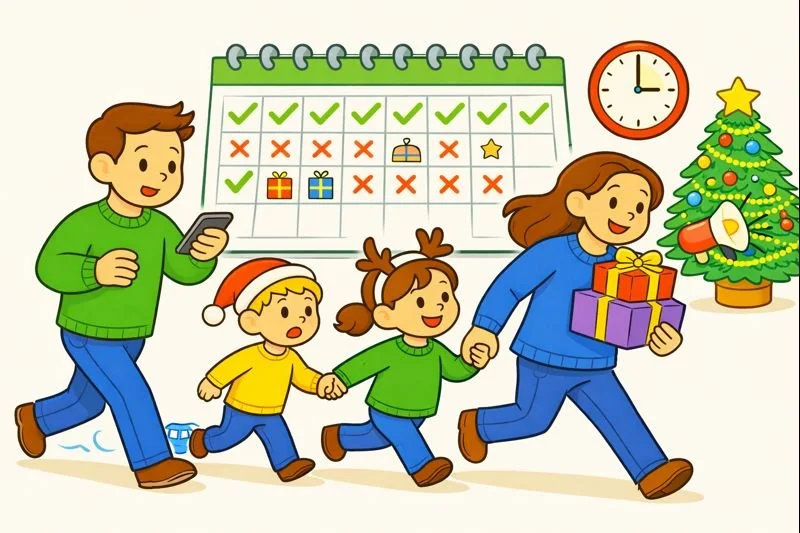
The holidays often bring joyful gatherings, bright lights, music, travel, and excitement—but for young children, these same experiences can quickly become overwhelming. Their developing nervous systems process sounds, emotions, and sensory input differently than adults, and during the holidays, there may suddenly be much more of everything.
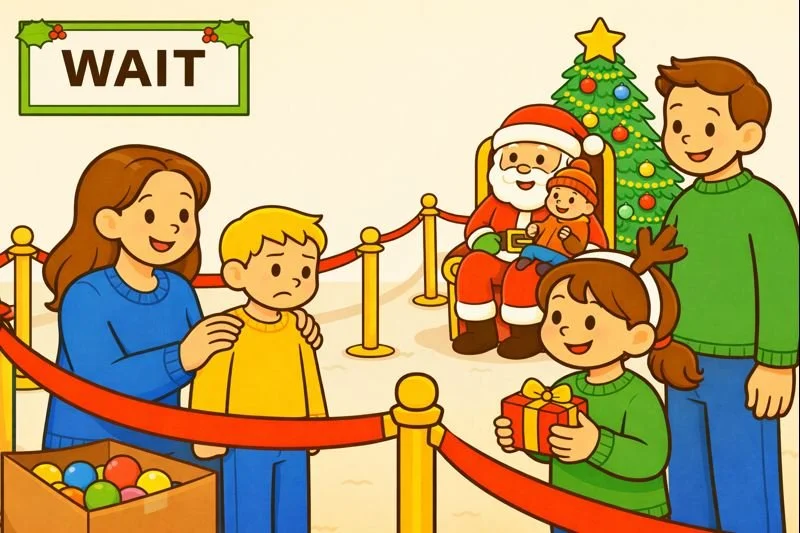
Overstimulation isn’t misbehavior—it’s a natural response to unfamiliar environments, changes in routine, and rapid sensory input. When we recognize this, our approach becomes compassionate, preventative, and effective. Instead of reacting after the meltdown, we can help children regulate before their buckets overflow.


Understanding the Signs of Overstimulation
Recognizing early signals helps prevent escalation. Watch for:
Increased clinginess
Sudden silence or retreat
Frantic energy or running in circles
Avoidance of eye contact
Irritability over small things
Difficulty responding to questions
Covering ears or turning away from lights
Many children don’t know why they feel uncomfortable—they just feel it. Giving them language gently—and offering safety before stress rises—helps them feel understood.
Protecting the Rhythm: The Power of Predictability
Kids regulate best when they know what to expect. Even during holiday chaos, we can preserve their sense of rhythm with:
A consistent wake/sleep time
Familiar comfort routines
Predictable snack & hydration breaks
A “cozy corner” for quiet play
Clearly explained transitions
Preparing Kids Before Events and Gatherings
Before leaving home—or before guests arrive—prepare your child with gentle previewing. Try:
“There will be lots of people, but we can take breaks.”
“If it feels too loud, you can tell me.”
“There might be new foods. You don’t have to try everything.”
“Let’s pick a calm-down signal we can use.”
Planning eases anxiety. Children handle sensory input more confidently when they know they have permission to step away.
Creating Safe Calm Spaces (Anywhere You Go)
Whether at home, a relative’s house, or a holiday event, create a small space just for regulation. It doesn’t need to be large—just intentional. You might include:
A small pillow or blanket
Noise-reducing headphones
Sensory fidget like putty or squish ball
A photo of family or pet
A book about feelings or familiar character
Even toddlers understand the comfort of a safe space. You can call it the “rest nest” or “quiet cloud.” Naming it gives it purpose—and power.
Using Sensory Tools to Reset Big Emotions
When overstimulation rises, children often need sensory grounding, not conversation. Try tools that activate slow and steady senses:
Warm washcloth across hands or face
Crunchy snack or chewy food
Counting objects slowly
Weighted lap pillow
Playdough squeeze stations
Soft instrumental music
Deep breaths with visuals (like blowing snowflakes)
Sensory strategies can be soothing—and playful. Explore emotional understanding further with Winter Sensory Play Ideas for Indoors, which offers calming activities designed for the winter season.
Helping Kids Express Needs Without Frustration
Kids often melt down because they don’t have the words or confidence to ask for space. You can offer sentence starters:
“I need a break.”
“It’s too loud.”
“Can we go to the quiet room?”
“I want to sit with you.”
For younger kids, keep visuals handy—a thumbs up/thumbs down card, a picture of a break area, or pointing to body parts to describe feelings. For communication tools during moments of tension, Teaching Respectful Communication During Conflict offers gentle family language supports.
What to Do When a Meltdown Happens Anyway
Even with great preparation, it will happen sometimes. That’s normal. Kids aren’t “failing”—their nervous systems just need help resetting. When big emotions come:
Move to a calmer space
Reduce words—use presence instead
Lower stimulation (dim lights, step outside, turn away)
Offer a soothing rhythm (rocking, slow counting, gentle tapping)
Validate: “It’s okay to feel overwhelmed. I’m here with you.”
After the moment has passed, you can reflect together in a safe way. Often, “Maybe next time we can…” works far better than “What did you do wrong?”
Teaching Children How to Notice Their “Body Signals”
Overstimulation awareness begins with body awareness. Introduce the idea of body signals:
“When my head feels hot, I know I need a break.”
“When my hands get busy and fidgety, I know I’m overwhelmed.”
“When my tummy feels jumpy, I slow down for a moment.”
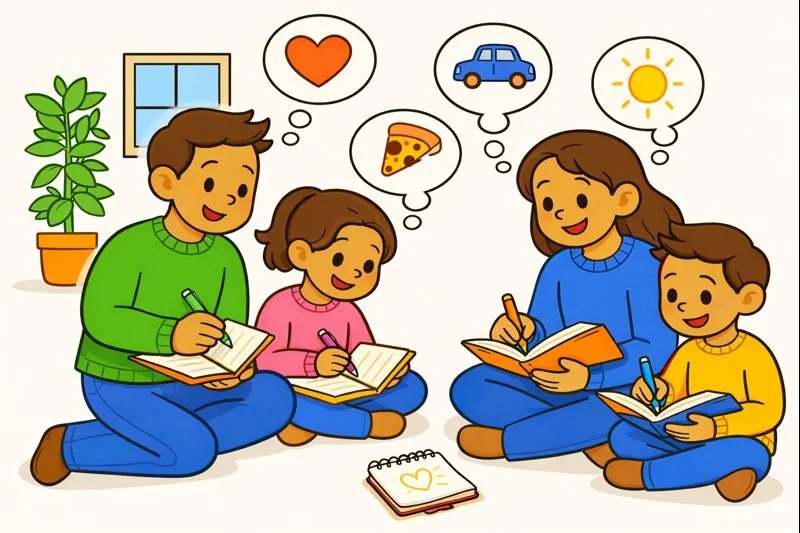
You might even draw a “Holiday Feelings Body Map” where kids color what certain feelings feel like. Apps, puppets, or simple drawings can help this stick.
Building a Family Strategy for the Future
As kids grow, holiday experiences can become smoother—not because chaos disappears, but because tools grow stronger. Consider:
A break card your child can carry
A vacation routine sheet
Family meetings before big events
“Pep talks” for older siblings to help younger ones
A calm kit kept in the car
These tools give children confidence—and communicate trust.
Parents often find support in Helping Kids Learn Accountability Without Shame, which reinforces how to guide behavior without guilt or pressure.
A Calm Season Is Still a Magical Season
Holiday magic isn’t found in noise, gifts, or busy plans—it lives in connection, warmth, play, and presence. Children remember how the season felt, not how crowded it was.
With gentle awareness and simple tools, we can help them feel safe in the wonder. They don’t need everything—just a steady hand and a quiet space when needed. In protecting their nervous systems, we protect their joy—and ensure that holiday memories stay warm, not overwhelming.
Let the season be soft, slow when it needs to be, and full of room for children to feel everything—at their pace. That is how holiday magic lasts.
This content is for educational purposes and is not a substitute for professional medical or psychological advice.