Celebrating Birthdays Without the Stress
Celebrating Birthdays Without the Stress
Why Birthdays Feel Bigger (and Busier) Than Ever
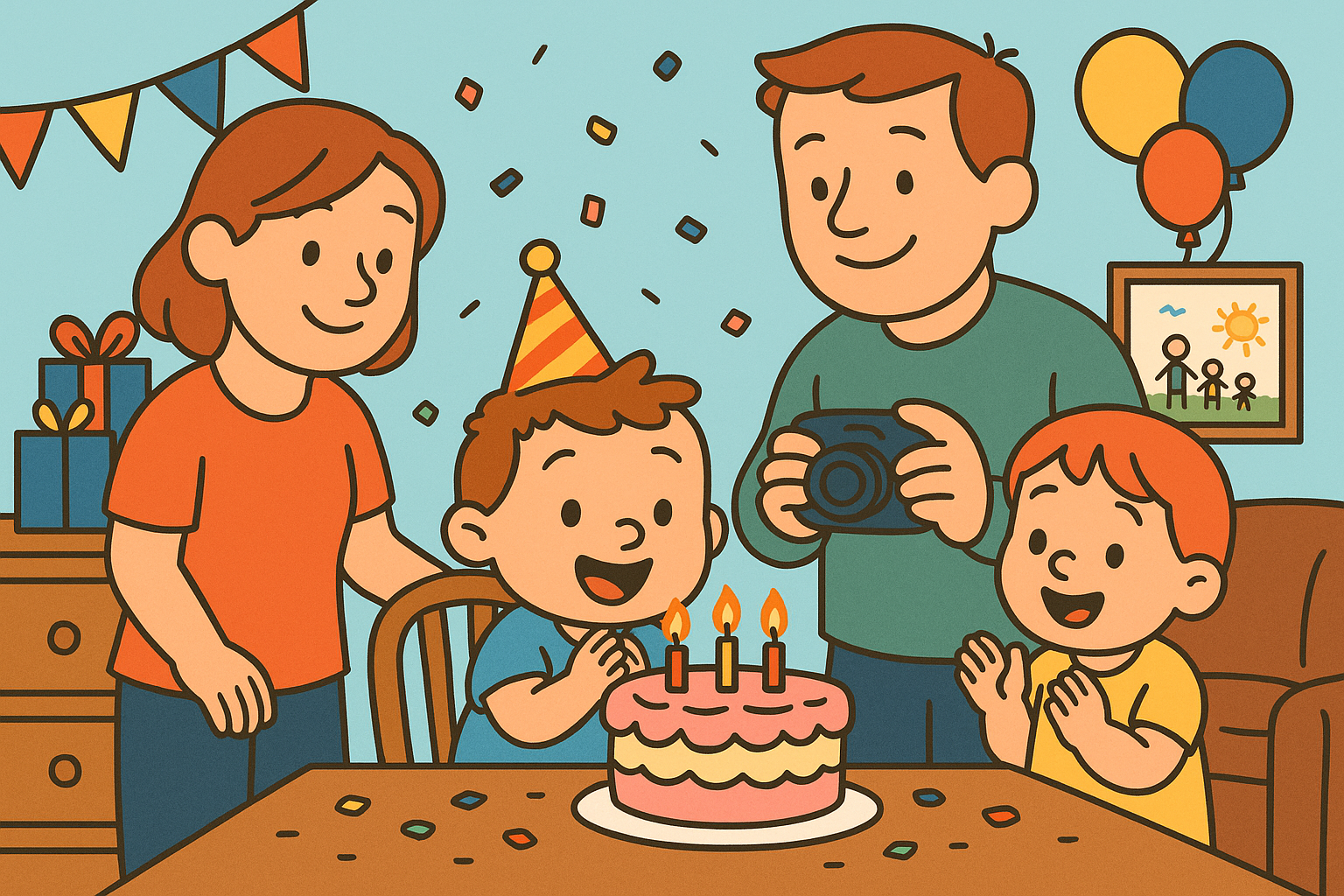
Birthdays used to be simple—a cake, a few friends, maybe a game or two. But for many families today, birthday expectations have ballooned. Pinterest-perfect décor, themed goodie bags, elaborate activities, and the pressure to “make it magical” can leave parents exhausted before the candles are even lit. Even small celebrations can start feeling like productions rather than joyful moments.
But a child’s birthday doesn’t need to be stressful to be meaningful. When you shift your focus away from perfection and toward connection, the celebration becomes warmer, calmer, and far more authentic. Kids remember how they felt—seen, loved, celebrated—not whether every corner of the house matched a color scheme.


Rethinking What Makes a Birthday Truly Special
When you slow down and imagine your ideal birthday—from your child’s perspective—the essentials become clear:
A moment of focused attention
A sense of being appreciated
Familiar, comforting rituals
Space to be silly
A chance to feel important in everyday life
These core elements don’t require grand parties. They grow from small gestures and predictable traditions. Kids thrive on warmth more than extravagance.
This mirrors the philosophy in How to Make Every Holiday Feel Meaningful (Not Materialistic)—connection and presence matter more than decorations or costs. When you take off the pressure to perform, the celebration becomes something your child can fully enjoy.
Choosing a Celebration Style That Fits Your Family
Every birthday doesn’t need the same format. Instead, design a celebration style that reflects your family’s energy level, schedule, and values. You might choose:
Homebody Cozy: Simple decorations, favorite snacks, and a family activity
Adventure Day: A special outing like a nature walk, museum trip, or picnic
Creative Birthday: Crafts, baking, puppets, or art projects
Helping-Hands Day: Doing something kind together for someone else
Micro Party: Inviting one or two close friends for something low-key
What matters most is that the plan works for your family—not the imaginary standard you think you’re supposed to meet.
When children help choose the celebration style, they feel both excited and empowered, and the planning naturally becomes easier.
Building Simple Rituals That Reduce Planning Pressure
The easiest way to eliminate stress is to build recurring rituals. When a birthday tradition is predictable, planning becomes automatic and your child looks forward to it all year.
Try rituals like:
A special breakfast (pancakes shaped like a number, candles in a muffin)
A decorated bedroom door
Measuring your child’s height each birthday
A birthday interview with sweet, reflective questions
A “walk down memory lane” with photos from the past year
Letting your child choose the day’s outfits or activities
Rituals create emotional significance without requiring complicated preparation. They also help anchor the day so it feels meaningful even if the schedule stays simple.
Making the Day Feel Magical With Minimal Prep
Magic doesn’t require extravagance—just a little intentionality. Kids respond deeply to sensory details and small surprises.
You might add touches like:
Balloons tied to their chair at breakfast
A banner hung in the living room
A short puppet “birthday message”
A playlist of their favorite songs
Confetti sprinkled on the table
A scavenger hunt for one simple gift
These tiny gestures create delight without consuming time or energy. The goal is to spark joy, not overwhelm yourself.
Kid-Led Activities That Keep Things Calm and Fun
Letting kids direct a portion of their birthday celebration often creates some of the most joyful moments—and dramatically reduces planning stress. Children love deciding what the group will do next, who plays which role, or how a story unfolds.
Invite the birthday child to choose:
Which games or crafts to include
What dessert to make
A theme or color
Which puppet tells the story of the day
What cozy activity ends the night
Giving kids creative power connects beautifully with Encouraging Storytelling and Imagination Through Play, where children take the lead and adults support their ideas. The more ownership kids feel, the more naturally the day unfolds.
Keeping the Guest List Small (and the Stress Even Smaller)
The number of guests dramatically impacts the experience. A small gathering often leads to smoother transitions, calmer sensory environments, and more meaningful interaction.
Ask yourself:
Does my child feel energized or overwhelmed in groups?
Is hosting a large event feasible this year?
Would a simple playdate celebrate the day just as well?
Some families find that parties with just one or two close friends lead to the happiest birthdays. Others prefer extended family only. Choosing intentionally helps keep the day joyful instead of chaotic.
Tiny parties also allow you to focus on your child rather than managing logistics.
Crafting or Creating Together Instead of Overloading Activities
Instead of filling the day with multiple activities, choose one meaningful centerpiece—especially a creative one. Gentle crafts slow down the energy of the day and help children settle into connection.
You might try:
Decorating cupcakes
Making simple puppets
Creating paper crowns
Painting birthday murals
Making salt dough ornaments
Building a memory box for the year
Kids don’t need complicated schedules—just time to create, laugh, and enjoy together.
Choosing Gifts That Support Joy, Not Pressure
Gift-giving can easily distract from the spirit of the day. Keeping gifts simple, thoughtful, and child-centered helps remove stress.
You might choose gifts that:
Reflect your child’s passions
Encourage creativity
Invite storytelling
Build long-term memories
Support ongoing projects
Some families adopt a simple structure such as “something to read, something to wear, something to play, something to make.” Others skip large gifts entirely and focus on experiences.
Children rarely need multiple presents. They need presence.
Ending the Day With Reflection and Heart
A peaceful ending brings closure and meaning to the entire celebration. Use the evening to reflect on the day, acknowledge the year behind you, and invite hope for the year ahead.
You might:
Share one favorite memory from the celebration
Light a candle and say one thing you appreciate about the birthday child
Read a book that fits the day’s tone
Look through baby photos together
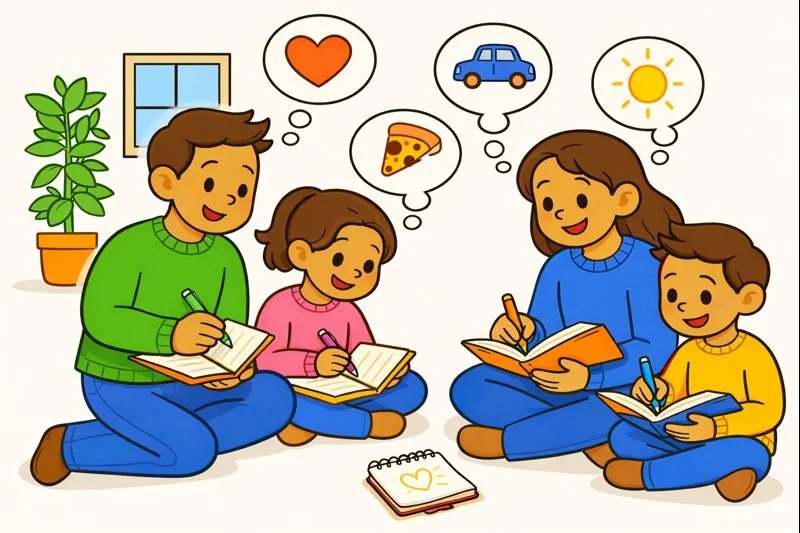
Add a birthday entry to your gratitude journal
These family-centered reflections pair beautifully with Family Journaling: Reflecting on Daily Gratitude, helping children grow into mindful, confident storytellers of their own lives.
Soft endings help the day settle into memory as something peaceful and warm.
Letting Birthday Traditions Grow and Change With Your Family
The most meaningful birthday traditions evolve. Some years you may have the time or energy for a small gathering. Other years, a simple home celebration may be exactly what everyone needs. Flexibility keeps birthdays joyful instead of stressful.
Your child’s interests will shift, your schedule will change, and your family rhythms will grow. What matters most is the spirit behind the celebration: connection, comfort, presence, and delight.
When you prioritize warmth over perfection, every birthday becomes not just a milestone—but a heart-centered ritual your child will remember long after the balloons fade and the cake is gone.
This content is for educational purposes and is not a substitute for professional medical or psychological advice.