How to Make Every Holiday Feel Meaningful (Not Materialistic)
How to Make Every Holiday Feel Meaningful (Not Materialistic)
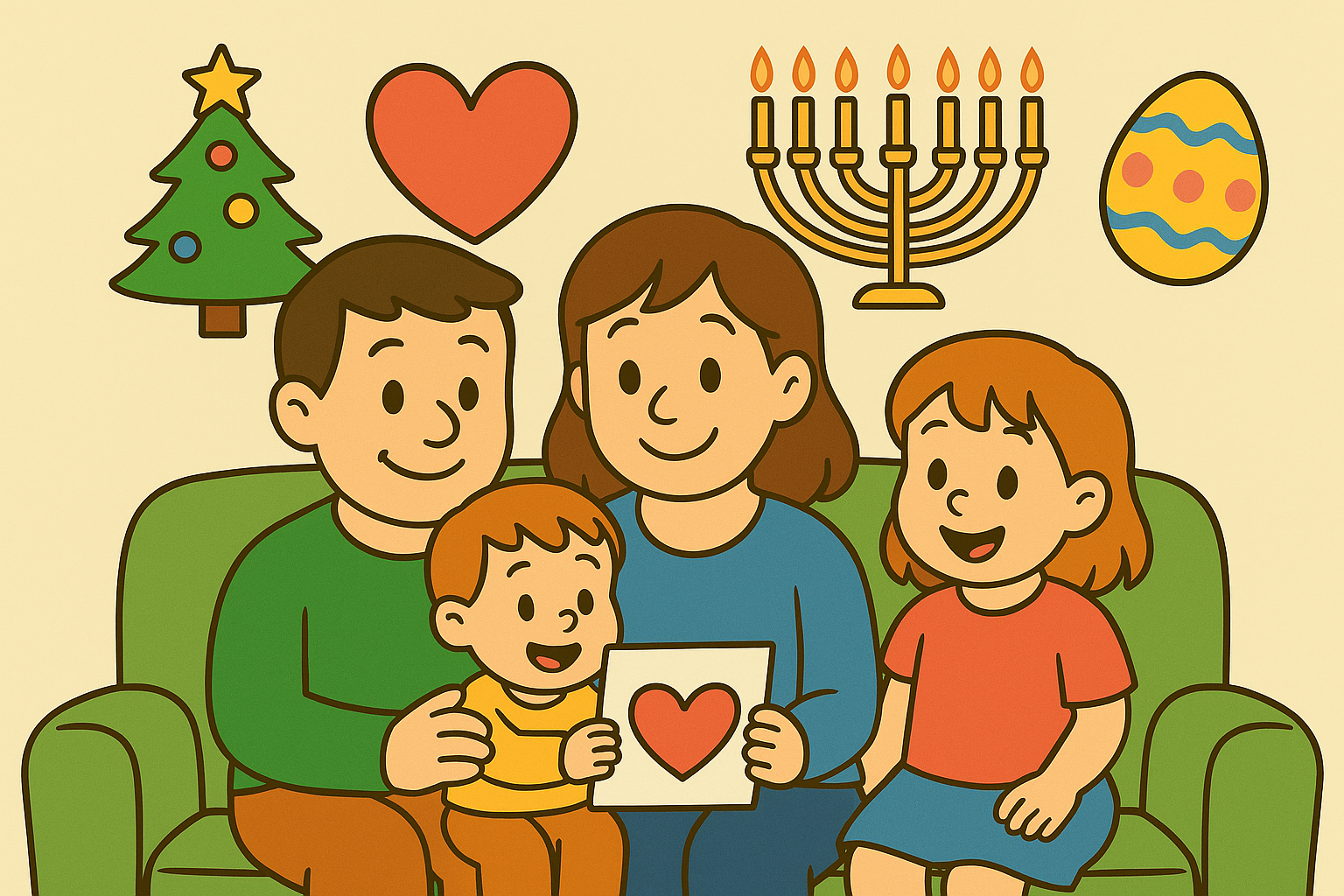
Why Kids Crave Meaning More Than Stuff
Holidays are often marketed as loud, sparkly, and overflowing with gifts. But when you step back and look at what children actually remember, it’s rarely the number of presents they opened. Instead, they recall the feeling of baking cookies with a parent, the sound of a familiar family song, the warmth of snuggling under blankets, or the magic of a story told by someone they love.
Children long for connection more than consumption. They thrive when holidays feel rhythmic, calm, and emotionally rich—not rushed or performance-driven. Meaningful holidays teach kids that joy comes from togetherness, not things. By shifting the focus from materialism to intention, families can create traditions that children will cherish long after the wrapping paper is gone.


Start With the Core Question: “What Do We Want This Holiday to Feel Like?”
Instead of beginning with tasks, lists, or purchases, start with feeling. Ask yourself and your family:
Should this holiday feel cozy or playful?
Slow or energetic?
Communal or intimate?
Reflective or celebratory?
This simple shift reorients the entire season. When feelings guide choices, decisions about gifts, events, and activities become clearer—and often gentler. The holiday becomes an emotional experience rather than a to-do list.
Simplify Before Adding More
For many families, meaningful holidays start with subtraction. Kids flourish with fewer commitments, fewer obligations, and fewer overstimulating experiences. Try:
Cutting one tradition that no longer feels joyful
Limiting events to what your family actually enjoys
Decluttering decorations so your home feels calm
Choosing a smaller number of truly meaningful activities
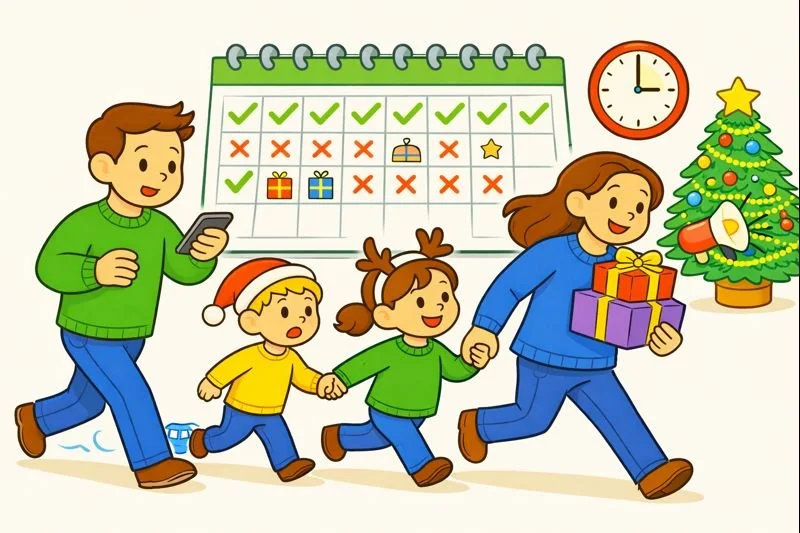
A simplified holiday gives space for connection to bloom. This mirrors themes found in How to Avoid Holiday Burnout as a Family, where reclaiming calm helps restore joy.
Choose Experiences Over Purchases
The most powerful holiday memories often come from shared experiences. Instead of centering celebrations around buying, focus on:
A family walk to look at lights
Cooking a special meal together
A candlelit story time
Performing a puppet show
Making handmade cards
Playing a seasonal game
These moments become emotional anchors. They bring everyone into the same rhythm, allowing children to feel deeply connected to the people they love.
Build “Together Traditions” Instead of “Thing Traditions”
Shift the question from “What should we buy?” to “What should we do together?”
Examples:
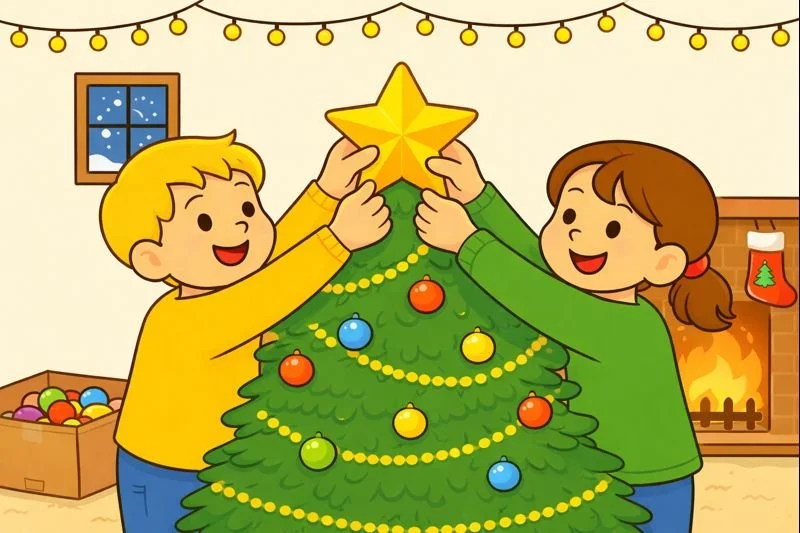
Decorating with homemade crafts
Reading the same seasonal book each year
Making a gratitude chain or kindness jar
Having a yearly family photo moment
Creating a special breakfast ritual
These traditions create identity and belonging, similar to what’s explored in The Role of Holidays in Building Family Identity, where seasonal rituals help children understand who they are within the family.
Teach Kids the Joy of Giving
Materialism often arises from thinking receiving is the center of the holiday. Kids learn meaning when giving becomes part of the experience. Let children:
Choose a gift for someone else
Create handmade presents
Draw cards for neighbors
Bake treats to give away
Perform a puppet show of gratitude
Handmade gifts, especially the ones children proudly create, echo the spirit of Simple Homemade Gifts Kids Can Make and Give, where generosity becomes playful rather than pressured.
Slow Down the Pace of the Season
One of the best antidotes to materialism is slowness. Slow traditions help children feel grounded and present. Try:
One holiday activity per day instead of many
Cozy evenings with low lights and soft music
A daily “quiet moment” ritual
A bedtime reflection: “What made today meaningful?”
Slowness helps children notice the emotional essence of the holiday instead of chasing momentary excitement.
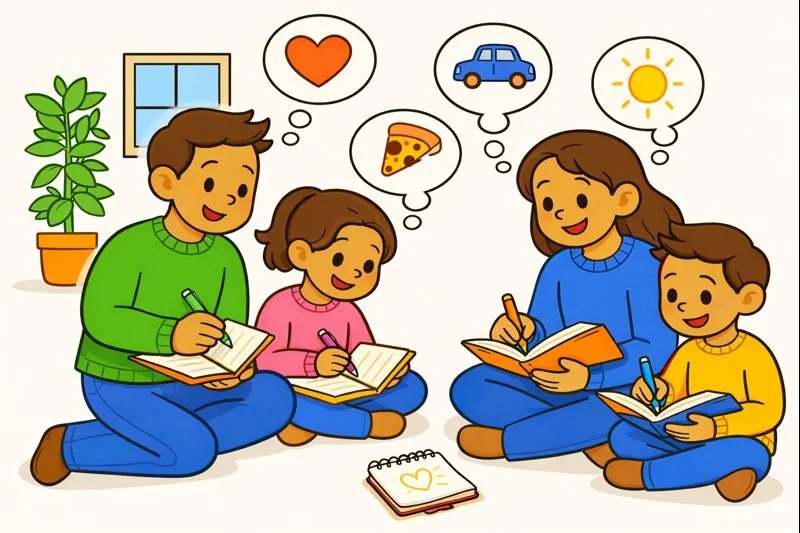
Create Space for Reflection and Conversation
Invite children into conversations that deepen meaning:
“What did you love about today?”
“What made you feel loved this season?”
“What do you want to remember next year?”
“What felt too busy or too much?”
Reflection rituals—like those in Simple Family Traditions for New Year’s Reflection—teach kids to look inward rather than outward for joy.
Prioritize Connection Over Perfection
Perfectionism drains meaning. Children don’t notice uneven cookies or crooked ornaments—they notice warmth, attention, and emotional availability. Give yourself permission to:
Let decorations be child-led
Embrace crafts that look beautifully imperfect
Skip elaborate meals
Allow rest when needed
Keep expectations realistic
Children feel safest when caregivers are grounded, not overwhelmed.
Let Kids Help Shape the Meaning
Holidays feel richer when children have agency. Allow them to choose:
A ritual to keep
A new tradition to start
A family activity
A kindness goal
A special meal
When kids help shape holidays, they internalize the experience as meaningful rather than passive. Their ideas often reveal what matters most to them emotionally.
A Holiday Season Built on Heart, Not Hype
Making holidays meaningful isn’t about doing more—it’s about doing what matters. When families focus on connection, shared experiences, and emotional presence, children learn that holidays are not about what is bought, but what is felt.
This content is for educational purposes and is not a substitute for professional medical or psychological advice.