Planning Family Staycations That Feel Special
Planning Family Staycations That Feel Special

Why Staycations Work So Well for Families
A family staycation is one of the most underrated ways to enjoy quality time together. Instead of packing bags, navigating airports, or dealing with traffic, you stay right where the comfort lives—home. But that doesn’t mean the experience has to feel ordinary. With a little intention and creativity, a staycation can feel just as refreshing, meaningful, and memory-filled as a traditional getaway.
For children, the magic isn’t in the destination—it’s in the atmosphere you create. Kids feel excited when routines shift, when the home feels different, and when parents adopt a slower, more playful rhythm. A staycation gives you the chance to set aside normal expectations, turn down the pace, and rediscover joy in familiar spaces.
Whether you’re working within a budget, avoiding travel stress, or simply wanting deeper connection, family staycations offer a beautiful opportunity to build memories without leaving your front door.


Reimagining Home as a Place of Adventure
A beautiful staycation starts with viewing your home through a new lens. Kids love novelty, so if the environment looks or feels different from a regular day, the excitement naturally rises.
Try simple transformations like:
Moving furniture to create “new” play spaces
Setting up themed areas like a reading nook or camp corner
Bringing out special blankets, lights, or cozy textures
Rearranging bedrooms for a “sleepover” feel
Creating a “hotel check-in” moment with a welcome card
Children respond to the shift immediately—they don’t need grand gestures. The key is to signal: This is not an ordinary day.
This same philosophy appears in How to Make Every Holiday Feel Meaningful (Not Materialistic), where intention replaces complexity. When you focus on emotional impact over extravagance, your staycation becomes warmer and more magical.
Choosing a Staycation Theme That Sets the Mood
Themes help anchor the staycation and unify activities without making planning overwhelming. They give kids something to anticipate and adults a simple framework to build around.
You might try:
Backyard Campout – lanterns, s’mores, stargazing
Beach at Home – towels, sunglasses, water play
Cozy Winter Lodge – warm drinks, fuzzy blankets, firelight
Art Studio Weekend – crafts, painting, creating together
Travel Around the World – music, snacks, simple cultural activities
Puppet Theater Festival – shows, storytelling, character creation
Let kids help choose the theme—they often surprise you with creative ideas. Their input increases excitement and reduces planning pressure on you.
Creating the Right Atmosphere With Light, Sound & Scent
Sensory elements are powerful tools in making a staycation feel special. You don’t need anything fancy—just a few small adjustments.
Try:
Fairy lights or string lights for instant warmth
Nature sounds, instrumental playlists, or themed music
A scented candle or stovetop simmer using orange and cinnamon
A “vacation basket” with slippers, fun cups, or cozy robes
A temporary “no chores tonight” or “no rushing allowed” rule
The home becomes a retreat when the environment feels intentional. Kids can sense when something about the atmosphere is softer, slower, or more magical.
Building a Flexible Yet Fun Staycation Schedule
Think of your staycation schedule like a gentle guide—not something rigid. A loose plan helps you avoid decision fatigue while leaving room for spontaneity.
A simple schedule might include:
One morning activity (art, cooking, exploring)
One afternoon outing or play session
A rest or quiet-time window
A cozy evening ritual (movie, puppet story, flashlight reading)
Children thrive on rhythm, not rigidity. If everyone is having fun with an activity, let it continue. If something isn’t working, switch gears easily—staycations give you that freedom.
Keep Activities Simple, Playful, and Stress-Free
You don’t need elaborate experiences to make memories. Kids are happiest when they feel connected and engaged, not entertained at a high production level.
Try easy, joyful staycation activities like:
Building forts in the living room
Doing treasure hunts with simple clues
Creating obstacle courses with pillows and chairs
Baking cookies or making homemade pizza
Blowing bubbles outside
Setting up a backyard scavenger challenge
This aligns with ideas found in Encouraging Storytelling and Imagination Through Play, where children lead with curiosity and adults support the playful energy. A good staycation leaves plenty of space for imagination to run wild.
Turning Everyday Moments Into Mini Adventures
One of the best parts of a staycation is discovering how much fun can hide inside everyday routines. Families often realize they don’t need big outings to create connection—they just need a shift in perspective.
Some mini adventures might include:
Taking a “night walk” with flashlights
Watching the sunrise together
Riding bikes to a new neighborhood
Trying a new breakfast recipe
Picnicking on the living room floor
Stargazing from the backyard
These moments build attachment, trust, and togetherness in ways children feel deeply.
Creative Projects That Become Lasting Souvenirs
Staycations are the perfect opportunity to make something your family can keep or display. Choose projects that feel joyful rather than overwhelming.
Ideas include:
Painting a family mural
Decorating a “vacation memory box”
Making puppets or paper characters
Creating a scrapbook page of the staycation
Drawing postcards “from home”
Making Meals Part of the Experience
Good food elevates a staycation, but it doesn’t need to be complicated. Think simple, fun, comforting meals that kids can participate in.
Try:
DIY taco or pasta bars
Breakfast-for-dinner nights
Fruit kabobs
Family pizza-making
Hot cocoa bars in winter
Smoothie stations in summer
Children are far more engaged when they can assemble or decorate their own meals. It turns eating into an experience rather than a task.
Ending the Staycation With a Meaningful Closing Ritual
A closing ritual helps children process the experience and mark it as special. Even a short reflection makes the staycation more memorable.
You might:
Reflect on everyone’s favorite moment
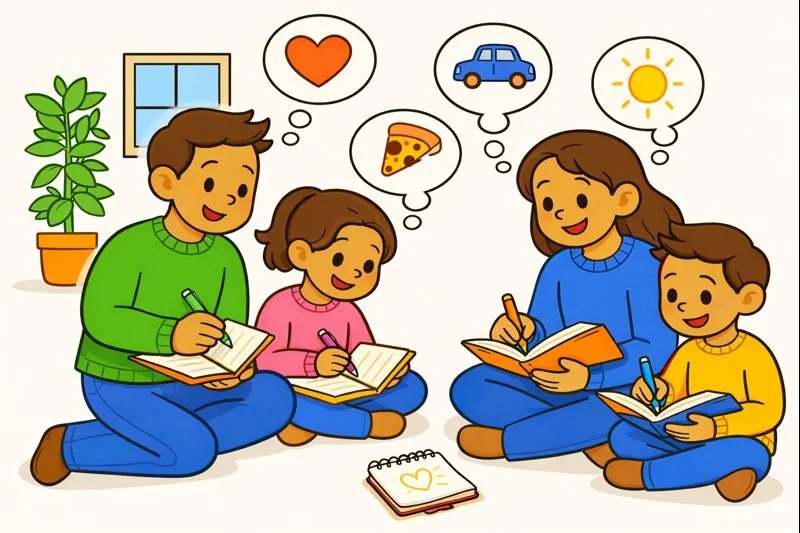
Add an entry to your family gratitude journal
Share one thing you learned about each other
Create a silly “staycation certificate” for the kids
Do a final flashlight story or puppet goodnight
This pairs beautifully with themes from Family Journaling: Reflecting on Daily Gratitude, where slowing down to acknowledge joy strengthens emotional connection.
Closing rituals help children hold onto the memory long after the staycation ends.
Making Staycations a Yearly (or Seasonal) Tradition
Once your family experiences the warmth and ease of a staycation, you may find it becomes a favorite tradition. You might choose to do one each season, or whenever life feels busy and you need to reconnect.
Staycations are flexible—they can be grand or simple, planned or spontaneous. Over the years, they can evolve based on your children’s ages, interests, and imaginations. What stays constant is the feeling: togetherness, presence, and the joy of slowing down in a familiar place.
When you reimagine your home as a place of adventure, every staycation becomes a small pause full of meaning—and a reminder that some of the most beautiful memories grow right where you already are.
This content is for educational purposes and is not a substitute for professional medical or psychological advice.