Creating a Cozy Family Mood Night in Winter
Creating a Cozy Family Mood Night in Winter
Why Winter Is the Perfect Time for a Mood Night
Winter brings shorter days, frostier air, and a natural pull toward home. Families begin craving warmth, calm, and connection—something that feels soft around the edges. A “Family Mood Night” is a simple tradition that turns an ordinary evening into a cozy, memory-making ritual. Instead of rushing through dinner and bedtime, the whole household slows down together, if only for a night.
There’s something about winter that invites this shift more easily than any other season. The muted light, the snug layers, and the longing for comfort create the perfect backdrop. Kids feel it too—an unspoken desire to cuddle close, unwind, and savor gentleness after a busy or overstimulating day.
Mood Night isn’t about performing or planning extensively. It’s about intention: dimmed lights, soft voices, warm textures, and activities that soothe rather than excite. Over time, this small ritual can become one of your family’s most cherished winter traditions.


Setting the Atmosphere With Light and Warmth
The first step to a successful Mood Night is shifting the environment. You don’t need a picture-perfect setup—just a few sensory cues that signal, “Tonight feels different.”
Try adjusting the lighting to something low and inviting:
String or fairy lights
Floor lamps with warm-toned bulbs
Flameless candles
A star or snowflake projector
Small table lamps under soft shades
Sound can quietly transform the space too. You might play gentle instrumental music, nature soundscapes, soft jazz, or even a faux fireplace crackle. These subtle elements help everyone let go of daytime tension and transition into evening serenity.
The goal isn’t to create a dramatic production—just a believable winter sanctuary where kids feel safe, warm, and curious.
Creating a Cozy Space Kids Will Love
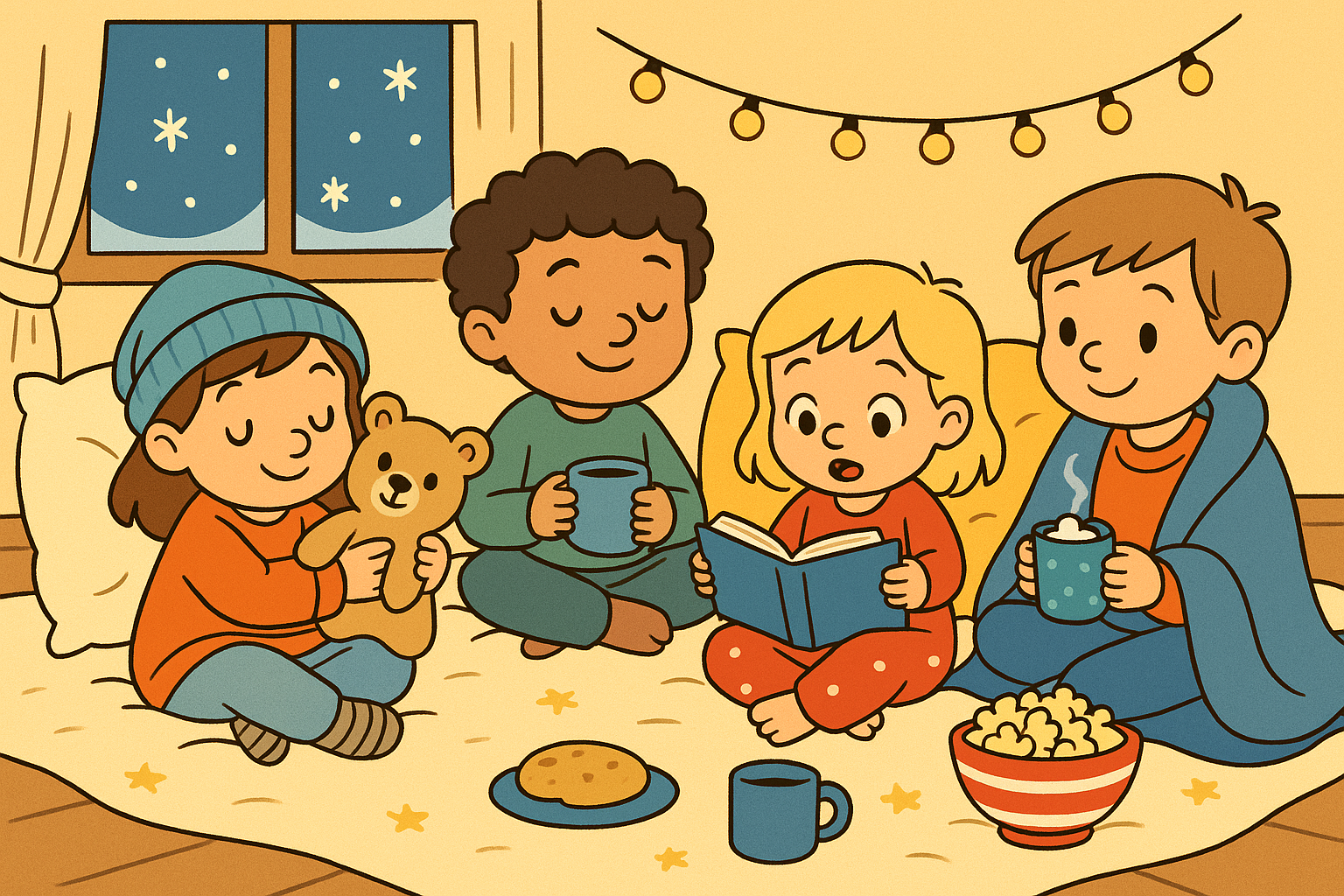
Comfort is the heartbeat of Mood Night. Start by building a soft landing spot where everyone can gather. Kids especially get excited when the living room transforms into something new.
You might layer:
Plush blankets
Floor cushions
Sleeping bags
A giant family quilt
Beanbags
Soft stuffed animals
Cozy robes or slippers
Arrange everything into a “cozy base,” winter nest, or gentle fort. Children are often eager to design the layout themselves. They’ll drag pillows across the room, build tunnels out of blankets, or pick out which stuffed animals join the evening.
As the physical space becomes more comfortable, you’ll notice your child’s emotional state soften too. The room feels safe, warm, and open to connection—perfect for the activities that follow.
Inviting Puppets to Join the Evening
Puppets can enhance Mood Night in magical ways—adding playfulness, easing transitions, and helping children express emotions more freely. They don’t have to steal the spotlight; sometimes just having them present enriches the atmosphere.
Try using puppets as:
Cozy companions children can cuddle
Quiet storytellers who introduce the evening
Calm guides that model breathing exercises
Friends who “check in” with each family member
Helpers who bring out the craft or snack of the night
Puppets also make this ritual accessible for children who struggle to unwind. Many kids open up more easily when speaking through a puppet, echoing the principles explored in Encouraging Storytelling and Imagination Through Play. Puppets help Mood Night feel safe, silly, expressive, and deeply relational.
Layering in Soft Sensory Cues
Mood Night shines when it engages the senses gently—not too stimulating, not too quiet—just comforting.
Consider adding:
Soft fleece or knit fabrics
Warm socks or slippers
A warm rice sock or heating pad
A cinnamon or vanilla scented simmer pot
Lanterns for dim walking spaces
A basket of smooth stones or shells
A slow-moving sensory jar full of glitter “snow”
Children often gravitate toward specific sensory comforts. One child may snuggle tightly into a blanket cocoon, while another might run their fingers through a soft scarf or hold a warm mug of cocoa. These grounding sensations help the nervous system settle into a cozy baseline.
Activities That Match the Mood
A successful Mood Night doesn’t involve high-energy games or complicated crafts. Choose activities that feel slow, calming, and connected.
You might try:
Sharing favorite winter memories
Reading a seasonal picture book as a family
Taking turns telling one-sentence stories
Doing gentle shadow puppetry
Building a small winter town with blocks or felt
Snuggling while listening to an audiobook
Watching snow fall from the window
Let the pace stay slow. If kids want to continue one activity longer than planned, let them lean into it. Mood Night is about sinking in, not rushing through.
A Cozy Craft to Warm Up Winter Nights
A small creative project often becomes the heart of Mood Night. Choose crafts that are tactile, soothing, and low-pressure:
Watercolor washes in winter colors
Simple cut-paper collages
Glitter “frost” art using salt and glue
Decorating paper lanterns
Finger-painting snowy hills
Creating miniature scarves or hats for puppets
Children love seeing their creations displayed or used, and many families turn this into a seasonal ritual.
Winter Comfort Snacks Everyone Will Enjoy
Food is another sensory anchor that helps define Mood Night. Keep the menu simple and warm:
Cocoa with whipped cream (or lukewarm cocoa for little ones)
Warm cinnamon pretzels
Sliced apples with caramel dip
A popcorn bowl with winter spices
Toasted English muffins with honey
Mini charcuterie for kids: crackers, cheese cubes, and fruit
The preparation can be part of the experience. Kids might sprinkle the cinnamon, stir the cocoa, or arrange the snacks on a tray. This soft, shared participation strengthens the cozy rhythm of the evening.
Gentle Games That Keep the Night Calm
Mood Night games should feel warm and quiet—not competitive or loud. Some favorites include:
Glow Stick Seek: One glow stick hidden in a dark room; soft searching only.
Whisper Chain: A message whispered around the circle, changing slightly each time.
Calm Freeze Dance: Slow music, gentle motions, soft freezes.
Guess the Winter Sound: Shake bells, crinkle paper “snow,” tap wooden blocks.
Puppet Gentle Charades: Puppets acting out winter activities like sipping cocoa or sliding on ice.
These games keep spirits high without breaking the relaxing atmosphere you’ve worked hard to create.
Ending the Night With Reflection and Tenderness
Wind the evening down with a quiet closing moment. This is when connection deepens and children often feel most open.
You might try:
Everyone sharing one thing they enjoyed
A puppet offering individual goodnights
Three long, slow breaths together
Reading a final heartfelt story
Wrapping the family in a big blanket “hug”
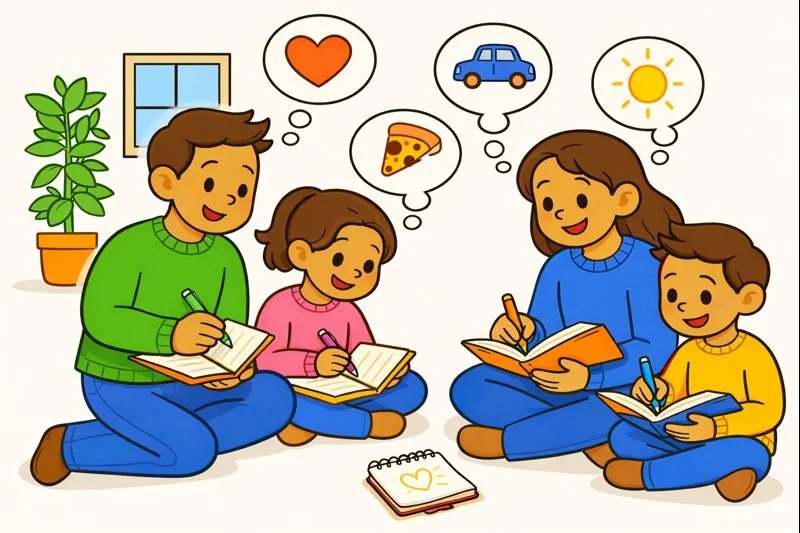
Adding a gratitude thought to your winter journal
This final ritual pairs beautifully with ideas from Family Journaling: Reflecting on Daily Gratitude, helping children connect small moments to bigger feelings of warmth and appreciation.
A calm ending signals that Mood Night is complete and gently transitions everyone to bedtime.
Making Mood Night a Family Tradition
The beauty of Mood Night is how adaptable it is. Some families choose a weekly winter ritual; others rotate it monthly or save it for snow days. Over time, children look forward to the sensory softness, the closeness, the snacks, and the comforting predictability of a night designed for connection.
As your family evolves, so will your Mood Night. One year you’ll focus more on crafts. Another year, storytelling might take center stage. Eventually, kids will contribute ideas of their own—maybe inspired by traditions explored in How to Make Every Holiday Feel More Meaningful (Not Materialistic), where rituals grow with the family instead of remaining static.
What remains constant is the feeling: a warm pocket of time in the cold part of the year. A moment to slow down. A space to feel deeply connected. And a tradition your children may one day recreate with their own families.
This content is for educational purposes and is not a substitute for professional medical or psychological advice.