Cozy Winter Reading Nooks for Family Storytime
Cozy Winter Reading Nooks for Family Storytime
Why Cozy Reading Spaces Matter in Winter
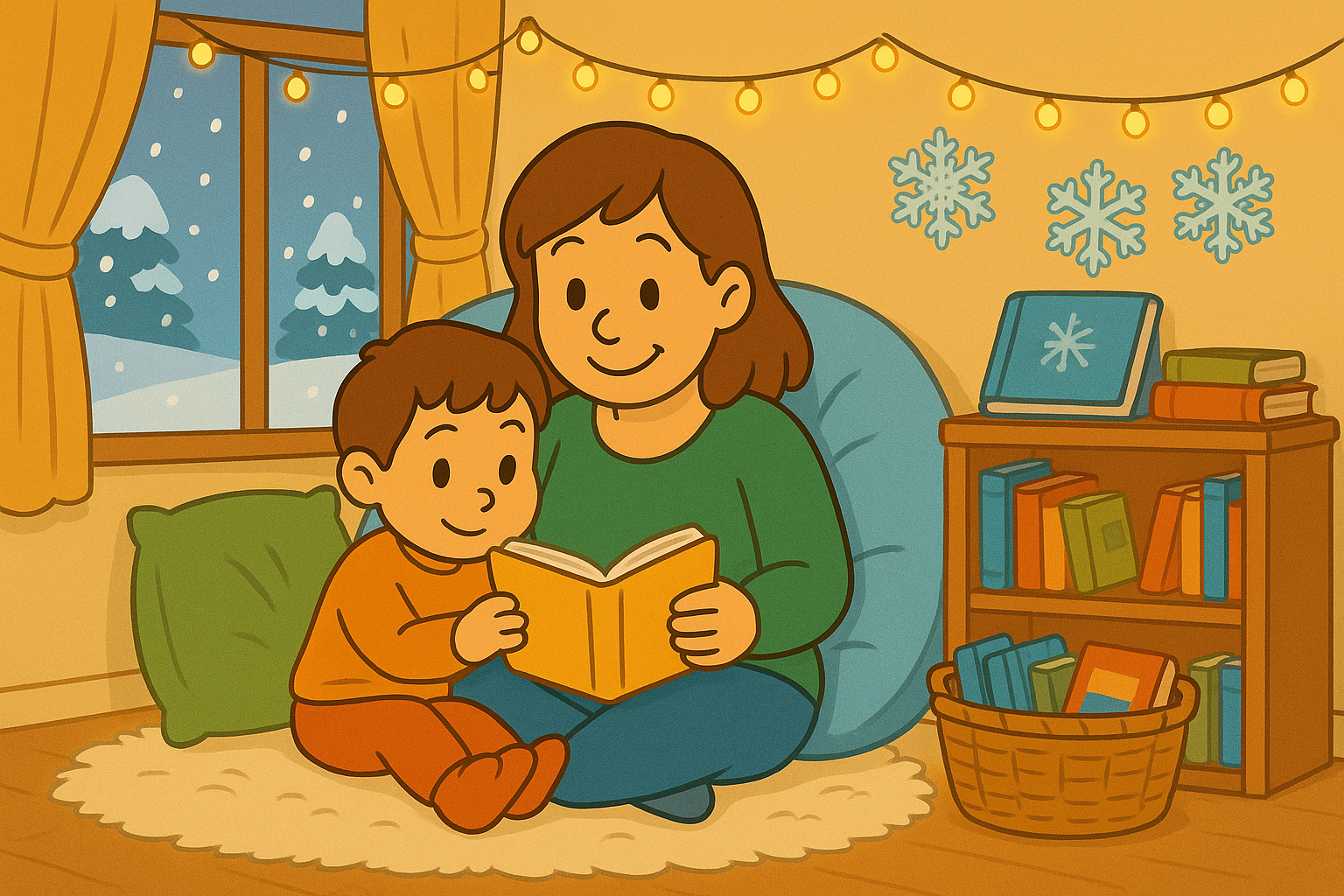
When winter brings shorter days, colder air, and more time indoors, children often need comforting places to land. A cozy reading nook becomes more than a spot for books—it becomes a safe retreat, a space for imagination, emotional regulation, connection, and gentle family moments. During a season that can easily feel rushed or overstimulating, a reading nook helps children slow down and feel grounded.
A nook doesn’t need to be fancy or expensive. It just needs to be intentional—a place that says, “Here, we can relax together.” Family storytime becomes a tradition that builds language, connection, self-regulation, and warm memories—one page at a time.


The Benefits of a Dedicated Reading Nook
Reading is not just educational—it’s soothing. A dedicated reading space can help children:
Regulate stress and big feelings
Develop language and listening skills
Strengthen imagination and creativity
Build attention span and focus
Learn storytelling structure
Bond with caregivers in quiet moments
The environment matters. Children are more likely to read—and love reading—when the space makes them feel restful and welcome.
Choosing the Perfect Location
A winter reading nook doesn’t need its own room—just a thoughtful corner. Look for:
A quiet area with low foot traffic
A corner near a window (natural light helps regulate mood)
Space under a staircase or beside the couch
A tent or canopy area for “secret” reading
A large box, fort, or cushion zone
Materials That Make Reading Feel Magical
You can build a reading nook with everyday items. For cozy atmosphere, try:
Blankets or quilts
Pillows of different sizes
A soft rug or play mat
Twinkle lights or battery candles
Fabric canopy or curtain
Books in baskets within reach
A few stuffed animals or puppets for storytelling
A single string of lights or a favorite blanket can transform an ordinary space into a childhood memory.
Building a Winter Book Basket
Rather than expecting kids to go find books—bring books to them. A seasonal “winter basket” makes stories feel special and easy to choose. You might include:
Books about snow, warmth, friendship, and rest
Stories about animal hibernation
Wordless picture books
Nursery rhymes and poetry
Books about change or growing feelings
Include a variety of moods: silly, calm, adventurous, thoughtful. A good mix helps children choose according to how they feel that day.
Creating Reading Rituals and Intentional Moments
The nook becomes powerful when reading feels like an experience, not a task. Try rituals such as:
Lighting a candle (battery-powered) before storytime
Whispering “It’s reading hour” for quiet excitement
Starting with a breathing exercise
Allowing kids to pick the story by “book snuggling”—hug the one they choose
Adding soft background instrumental music
Predictable experiences help children settle their bodies and prepare their minds to listen. For peaceful transition into reading time, Winter Sensory Play Ideas for Indoors can help regulate energy before settling into books.
Helping Kids Feel Ownership of the Nook
A reading space matters more when children help create it. Offer choices:
“Which pillow should go here?”
“Do you want your name on the reading basket?”
“Should we keep puppets in the corner or on the shelf?”
“What color should our reading blanket be?”
Art projects, such as “Reading Rules Posters” or “Book Monster Signs,” add personalization. When children take ownership, they often protect the space and return more often.
Keeping the Space Fresh and Inviting
Prevent the nook from feeling forgotten. Rotate books weekly or decorate for the season:
Snowflakes cut from coffee filters
Paper icicles or stars
Cozy mittens drawn and hung with string
Winter poetry taped on walls
A “quiet corner mascot” puppet
Refreshing visuals reminds children that the nook evolves with them—and with the world outside. Drawing inspiration from Fall Nature Walks: Teaching Change Through Seasons can help incorporate seasonal nature cues into the space.
Pairing Emotions With Stories
When children choose stories emotionally, they process feelings with depth. Try emotion-based prompts:
“Which book feels warm today?”
“Which story might help us feel brave?”
“Who wants a silly book right now?”
“Should we pick a book that matches the weather?”
Stories become mirrors. The reading nook becomes a place where children test their empathy, imagination, and understanding of themselves.
Extending Storytime Beyond the Book
After reading, try:
Puppet retellings
Acting out scenes with toys
Drawing a favorite moment
“Who will the character meet next?” discussions
Quiet reflection time with dimmed lights
Family storytelling circle
Children don’t just listen—they internalize. Storytime becomes a full sensory and emotional experience. For gentle tools to process emotional expression, Teaching Respectful Communication During Conflict helps families navigate conversations after stories end.
A Nook That Lasts Beyond Winter
When winter ends, the reading nook doesn’t need to disappear—it can adapt. In spring, swap snowflakes for flowers. In summer, turn it into a “dream tent.” In fall, add leaves and change-themed books. Its true purpose remains:
A place to connect, calm, read, and feel safe.
Children won’t remember every book—but they will remember how it felt to read with you. The warmth of blankets. The hush of storytime. The gentle rhythm of your voice in the quiet room. This is how memories become anchors. And sometimes, that is the coziest gift of all.
This content is for educational purposes and is not a substitute for professional medical or psychological advice.