Fall Nature Walks: Teaching Change Through Seasons
Fall Nature Walks: Teaching Change Through Seasons
Why Fall Is the Perfect Time to Talk About Change
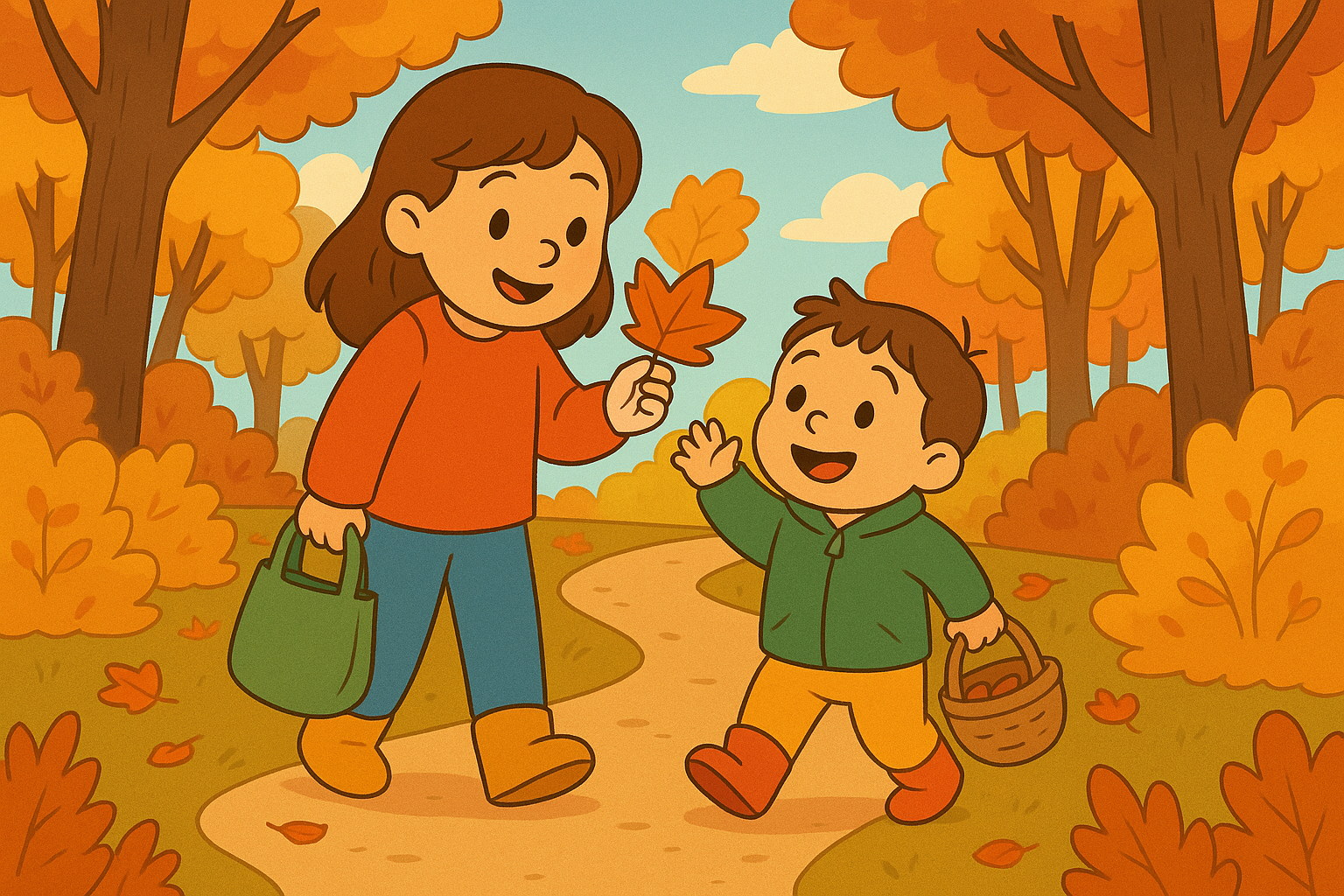
Autumn is full of quiet lessons—leaves change color, the air turns crisp, and animals prepare for what’s ahead. Children naturally notice these differences, which makes fall an ideal season to explore the idea of change gently and beautifully. When we take nature walks with intention, we help kids connect what they see outside to what they feel inside.
Fall becomes an outdoor classroom where children learn that change doesn’t have to be scary—it can be a sign of growth, transition, preparation, and transformation. With curiosity, presence, and a little storytelling, fall nature walks can create lifelong memories and meaningful emotional lessons.


How Nature Helps Children Process Change
Children often experience changes—new teachers, shifting routines, development leaps, emotional waves. But they don’t always have the words to understand what’s happening. Fall offers a mirrored experience outside. They see:
Trees letting go of leaves
Colors transforming slowly
Animals preparing for winter
Wind shifting and light fading
Coolness signaling new rhythms
Nature shows that change is not failure. It’s movement. And change is sometimes quiet, messy, or slow—and still healthy.
Preparing for a Fall Nature Walk
Before heading out, talk about what to expect and what you want to notice. This helps regulate kids who feel easily overwhelmed outdoors. You might:
Bring a small bag or basket
Carry a magnifying glass
Make a “Fall Scavenger List” (draw pictures for younger kids)
Set gentle expectations: “We’ll explore slowly.”
Let your child lead part of the walk
What to Look For: Observing Seasonal Changes
Children love being “detectives.” Search for visible signs of change:
Leaves of different colors and textures
Squirrels and birds gathering food
Shadows growing longer
Cracks or roots along trails
Fallen branches or acorns
Patterns in tree bark
Wind direction or temperature shifts
Ask questions like:
“What used to be here last month?”
“Why do you think this leaf looks different from that one?”
“What might this seed become someday?”
Observation invites emotional awareness: sometimes change feels quiet before it looks big.
Sensory Games for the Walk
To help kids be present in the moment, try sensory prompts:
Hear it: “What new sounds do you hear in fall?”
See it: “What colors do you notice?”
Touch it: “Which leaf feels the most crinkly?”
Smell it: “Can you smell the wind?”
Imagine: “What story might this acorn tell?”
These prompts ground the experience and activate creative thinking. The article Winter Sensory Play Ideas for Indoors can be easily adapted with fall materials after the walk.
Turning Nature Into Storytelling
Kids naturally want to explain the world. Use puppets, drawings, or acting to turn observations into fall stories:
The lonely leaf who wanted to fly
A squirrel preparing for tomorrow
The tree that whispers to animals
A seed who didn’t know what it would become
Make emotional reflections through characters:
“Why do you think the leaf let go?”
“Do you think it felt scared—or brave?”
Collecting Nature Treasures for Reflection
Children love to bring home meaningful objects. Let them collect:
Leaves (different colors or shapes)
Pebbles or nuts
Tiny sticks with textures
Pieces of bark
Small flowers or seeds
Then create a Fall Discovery Tray or Nature Journal. These visual reminders help children revisit emotions and lessons later. It becomes a tangible record of their season.
Processing Feelings Through Nature Art
After the walk, encourage reflection with simple art projects:
Leaf rubbings with crayons
Collage of “change” colors
Bark texture stamp prints
Stick-and-yarn weaving
Watercolor painting of memory scenes
While crafting, ask:
“Did anything on our walk remind you of a change happening in your life?”
“Which part of nature felt brave today?”
“Do you think trees miss their leaves?”
For additional resources on mindful creativity, Simple Homemade Gifts Kids Can Make and Give can offer examples of using found materials in meaningful ways.
Creating Calm After Stimulation
Even peaceful walks can build up sensory input. Provide a soft landing afterward:
Warm drink or cozy blanket
All-screen-free quiet time
Slow stretching or breathing
A read-aloud story with calm pacing
Gentle puppet play or journaling
Emotional regulation practices help children process their experiences and bring balance after outdoor exploration. For communication tools during reflection, Teaching Respectful Communication During Conflict can provide family-friendly wording.
Helping Kids Understand Personal Growth
Tie nature’s changes to emotional understanding:
“What changes are happening in you right now?”
“How is your heart growing this season?”
“Is there anything you might be ready to let go of?”
“What’s something you’re preparing for—like the animals?”
Let your child share—through art, puppet stories, journaling, or talk. Support without rushing. Growth doesn’t need to be loud to be real.
A Season That Teaches Us to Embrace Change
Fall whispers a meaningful message: everything grows—even when it looks like things are slowing down. Things don’t disappear—they transform. Trees rest to grow stronger. Seeds disappear so new life can begin.
Children learn that change is natural—and sometimes even beautiful. Nature becomes the most powerful teacher when we slow down enough to listen. Through walks, wonder, and warmth, we help our kids understand something they’ll carry through life: change isn’t scary when we walk through it together.
This content is for educational purposes and is not a substitute for professional medical or psychological advice.