Hosting a Family Craft Night Before Each Holiday
Hosting a Family Craft Night Before Each Holiday
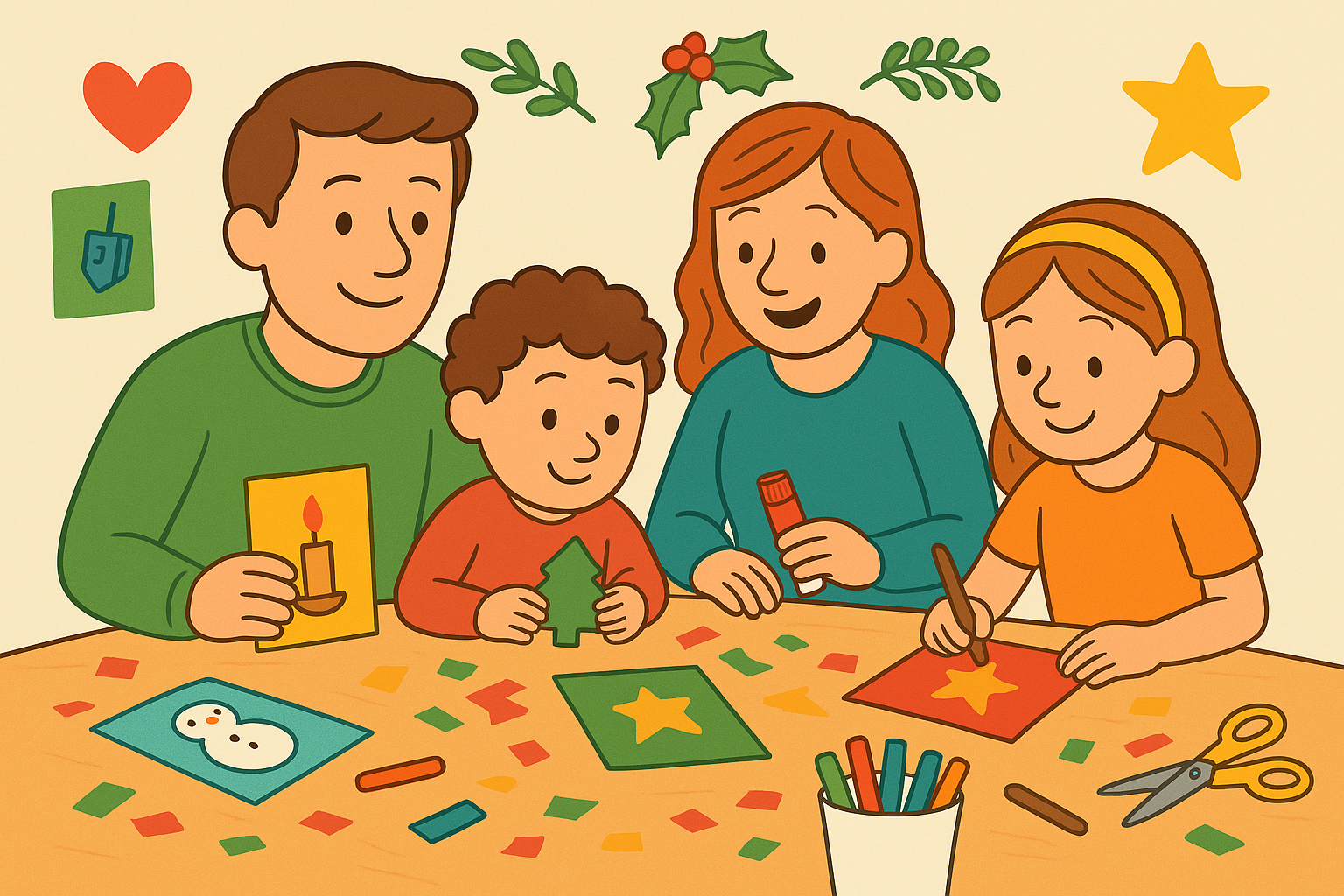
Why Family Craft Nights Create Meaningful Holiday Memories
The night before a holiday often carries a special kind of anticipation — the quiet excitement, the cozy energy, the sense that something memorable is coming. Hosting a family craft night before each holiday turns that anticipation into a cherished ritual. It gives children a creative way to connect with the meaning of the celebration, express themselves, and transition into the holiday feeling grounded and joyful.
Craft nights slow the pace during seasons that often feel rushed. They offer families a moment to breathe, gather, and be present with one another. No perfection required — just paper, glue, imagination, and a shared sense of togetherness. Over time, the tradition becomes a comforting container that shapes how your family approaches every holiday, large or small.


How Craft Nights Support Children’s Emotional and Creative Development
Crafting develops far more than artistic skill. When children participate in holiday-themed craft nights, they strengthen:
Fine motor abilities (cutting, gluing, folding)
Creative expression
Problem-solving and flexibility
Emotional regulation through hands-on activity
A sense of mastery and confidence
Craft nights also give kids a way to process the upcoming holiday emotionally. Children often express excitement, nervousness, or curiosity through their creations. This mirrors the emotional exploration seen in Holiday-Themed Puppet Craft Ideas, where craft projects help kids make sense of seasonal themes through play.
Most importantly, crafting together strengthens connection — a key ingredient for a warm and supportive family environment.
Choosing the Right Timing for Craft Night
While the evening before a holiday is the heart of this tradition, families can shape the timing to fit their energy, schedules, and ages of their children.
Great timing options include:
Immediately after dinner
Right before bedtime as a calming wind-down
Mid-afternoon for younger children who do best earlier
A split session (craft prep earlier, decorating later)
The important thing is consistency, not timing. Once the ritual becomes predictable, children begin looking forward to it as part of the rhythm of the holiday season.
The transition into craft night also benefits from small grounding actions similar to those in Creating a Cozy Family Mood Night in Winter, such as dimming lights, turning on soft music, or lighting a battery candle to mark the start of the tradition.
Setting Up a Stress-Free Craft Environment
Craft nights should feel cozy, fun, and accessible — not chaotic or overwhelming. A little preparation goes a long way.
Set the tone with:
A clean, clear table or floor space
Trays or baskets for materials
A wipeable surface or craft mat
Soft background music
Warm lighting
A “no pressure, just fun” family mantra
Present supplies like an invitation rather than a list of requirements. Kids feel more creative when materials are open-ended and visually inviting. You might lay out construction paper, markers, yarn, fabric scraps, pipe cleaners, stickers, or seasonal decorations.
This thoughtful setup mirrors the ambiance recommended in How to Create a Family “Seasonal Play Bin,” where the mood of the space gently guides the child’s engagement.
Selecting Crafts That Match the Holiday Mood
Each holiday carries its own emotional tone — gratitude, excitement, reflection, joy, remembrance, generosity. The craft you select can help children connect with that tone in a hands-on, expressive way.
Examples:
Thanksgiving: Leaf lanterns, gratitude garlands, mini harvest baskets
Winter holidays: Paper snowflakes, ornament puppets, kindness calendars
Valentine’s Day: Heart collages, love messages, handmade cards
Spring holidays: Blossoming tree art, nature puppets, painted eggs
Independence Day or summer holidays: Pinwheels, stars, outdoor lanterns
Halloween: Friendly paper puppets, pumpkin characters, costume accessories
Crafts don’t have to be perfect or elaborate. The goal is emotional connection and creativity, not “Pinterest-ready” results.
Encouraging Kids to Lead the Crafting Process
Family craft night becomes even more joyful when children take the lead. You might offer a few simple project ideas, but let kids decide what direction to go, what materials to combine, and how they envision the final piece.
Ways to empower kids:
Ask them to choose the color scheme
Invite them to invent their own project
Let them set up part of the craft table
Assign them as “craft captain” for the night
Encourage them to explain the meaning behind their art
Kids feel proud when their ideas shape the family ritual. This sense of agency is similar to the leadership opportunities children enjoy in Puppet Skits That Teach the Spirit of the Holidays, where they direct stories and guide characters with confidence.
Using Craft Night to Explore the Holiday’s Deeper Meaning
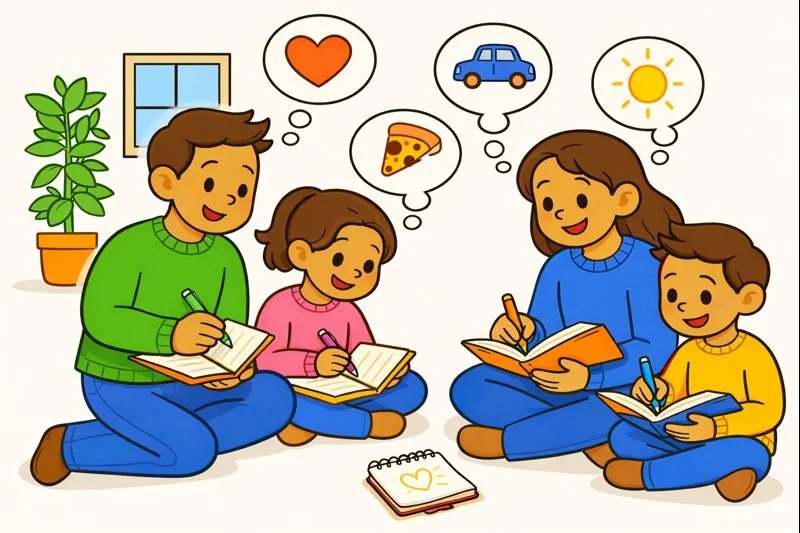
Crafts open the door to gentle, meaningful conversations. While kids cut and glue, their minds are open and relaxed, making it a perfect moment to talk about what the holiday represents.
You might ask:
“What are you excited about tomorrow?”
“What does this holiday mean to our family?”
“Is there something kind we can do for someone else this holiday?”
“How do you want the day to feel?”
These conversations help kids cultivate reflection, emotional awareness, and a personalized understanding of the holiday’s spirit.
Crafts also make abstract concepts concrete — gratitude becomes a paper leaf, kindness becomes a decorated heart, hope becomes a bright lantern.
Keeping Craft Night Calm When Kids Feel Overstimulated
The night before a holiday can feel intense for young children. Excitement, anticipation, and irregular routines can make emotions run high. Craft night helps regulate that energy, but it helps to approach the activity with flexibility.
Strategies include:
Allowing kids to switch projects freely
Offering sensory-friendly materials (soft yarn, play dough, pom-poms)
Taking small breaks to stretch or breathe
Keeping crafts short and simple
Letting kids watch for a bit before joining
Craft night should feel restorative, not overstimulating. Focus on creating a gentle flow rather than completing a project.
Displaying or Using the Crafts on the Holiday Itself
Kids feel a burst of pride when they see their craft featured during the holiday celebration. Make their creations part of the experience the next day.
Ideas:
Place crafts on the holiday table
Use them as decorations
Incorporate them into holiday rituals
Add them to gifts or greeting cards
Use puppets or props for a holiday skit
Display them on a “holiday art board”
These small touches deepen the emotional bridge between craft night and the holiday.
Creating a Memory Box for Yearly Craft Night Creations
A long-term tradition becomes even more meaningful when families preserve pieces of it. Creating a holiday craft memory box (or binder, or scrapbook) allows children to see how their skills and creativity evolve year after year.
You can include:
Photos of craft nights
Small pieces of artwork
Notes describing the holiday mood
Signatures, dates, or short reflections
A “favorite moment” page for each child
Looking back through the box becomes a ritual of its own — one that reinforces continuity, growth, and the joy of shared creativity.
How Craft Nights Build a Lifetime of Warm Holiday Traditions
Craft night isn’t just a way to prepare for a holiday — it’s a way to shape how holidays feel. Children raised with pre-holiday craft nights learn that celebration begins with creativity, connection, and emotional presence. They carry those values with them long after childhood.
These nights become more than crafts; they become stories families tell for years:
“Remember when you made that glitter lantern?”
“Remember the year we all painted wooden stars?”
“Remember how excited you were about your Thanksgiving puppet?”
Craft night forms the emotional foundation of the holiday season — a gentle pause before the festivities, a moment of togetherness that reminds everyone what matters most.
This content is for educational purposes and is not a substitute for professional medical or psychological advice.