Puppet Skits That Teach the Spirit of the Holidays
Puppet Skits That Teach the Spirit of the Holidays
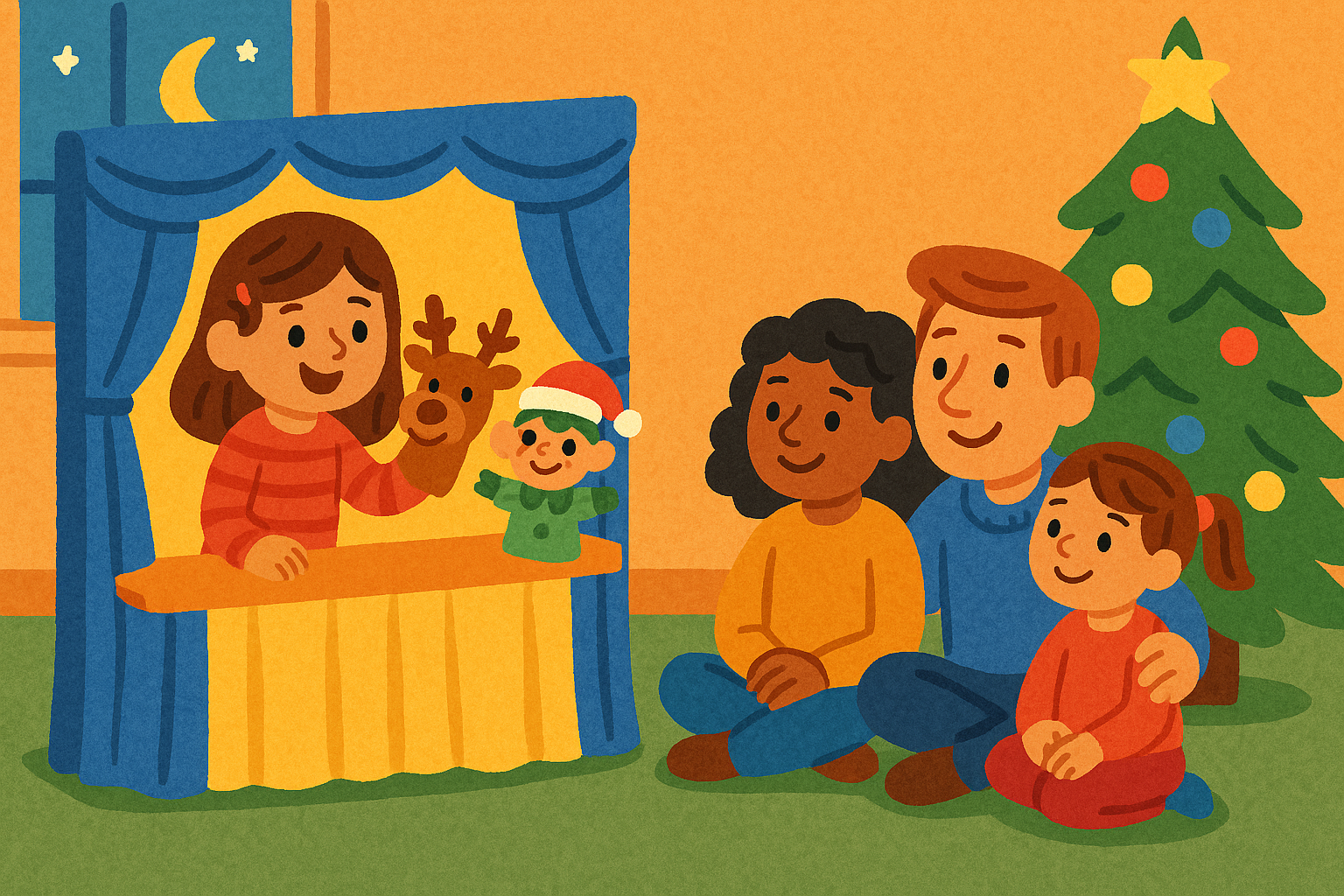
Why Puppet Skits Bring Holiday Lessons to Life
Puppets have a magical way of capturing children’s attention. They’re expressive, silly, warm, and endlessly creative — which makes them a perfect tool for teaching the deeper meaning behind holiday traditions. Puppet skits allow families to explore kindness, generosity, gratitude, and cultural celebrations through storytelling in a way that feels fun rather than instructional.
Unlike long conversations or formal lessons, puppet skits pull children into a world where anything can happen. Characters can learn, apologize, celebrate, and grow in ways kids instantly understand. Families can create their own holiday-themed stories or adapt familiar ones, using puppets to model empathy, cooperation, and joy. These cozy, creative moments often become treasured traditions children remember long after the season ends.


How Puppet Play Supports Social-Emotional Learning
Puppetry naturally aligns with the way children develop emotional understanding. Kids project feelings onto their puppets, practice problem-solving through characters, and witness the outcomes of kind or unkind actions in a safe, playful way.
Puppet skits help children explore:
Empathy (“How does the puppet feel?”)
Conflict resolution (“What can the characters do to fix this problem?”)
Kindness and giving
Gratitude and appreciation
Celebrating differences
The imaginative, low-pressure format of puppet storytelling helps children internalize values organically — similar to how they learn emotional expression during activities like Teaching Kids to Say Thank You With Heart, where feelings become part of the experience rather than something forced.
Choosing the Right Puppets for Holiday Skits
You don’t need elaborate puppets or a big stage to create meaningful holiday skits. In fact, simple homemade puppets often become children’s favorites because they carry personal meaning.
Consider:
Sock puppets decorated with yarn, buttons, or felt
Paper bag puppets
Finger puppets
Popsicle stick characters
Stuffed animals or dolls used as stand-ins
Real puppets from your Fuzzigram-style kit
Every puppet can become a storyteller. Kids especially love when each family member chooses or creates their own puppet, giving the character personality traits, voices, and quirks. This sense of ownership helps children engage more deeply with the skit.
Setting Up a Cozy Puppet Theater Space
A designated setup helps transform the moment into something special. You don’t need a formal puppet stage — a blanket over two chairs works beautifully.
Try enhancing the environment with:
Soft lighting or string lights
Background music for dramatic or cozy scenes
A seasonal backdrop (snowflakes, fall leaves, candles, stars)
Pillows and blankets for the audience
This kind of atmosphere mirrors the intentional coziness described in Creating a Cozy Family Mood Night in Winter, where the environment amplifies emotional connection.
When the scene feels magical, kids become even more invested in the storytelling.
Writing Simple Holiday-Themed Puppet Skits
You don’t need a script — just a flexible structure. A typical puppet skit might follow a simple pattern:
Meet the Characters:
Introduce each puppet and their holiday mood or challenge.Present the Conflict or Lesson:
Maybe someone feels left out, or a character learns about giving.Explore the Problem Through Play:
Puppet characters can make mistakes, misunderstand each other, or try different solutions.End With a Heartfelt Resolution:
A celebration, an apology, an act of kindness, or newfound understanding.
Some families like to write a few notes beforehand, while others improvise. Children often add the most delightful twists on the spot.
Holiday Themes That Work Beautifully in Puppet Form
Children learn best when stories reflect the emotional heart of the season. Puppet skits give kids a chance to see these themes acted out through characters they love.
Try skits about:
Generosity: A puppet who gives away something special
Gratitude: A character who practices noticing good things
Togetherness: Puppets preparing a holiday meal or celebration
Helping others: A puppet who supports a friend in need
Understanding traditions: Characters learning how different families celebrate
These themes align with broader seasonal lessons explored in Building Family Traditions Around Kindness, reinforcing the idea that holidays are about connection, not just activities or gifts.
Encouraging Kids to Lead the Puppet Skits
Children shine when given creative leadership roles. Puppet skits allow kids to take charge in ways that build confidence and communication skills.
Invite children to:
Choose the characters
Decide the plot or lesson
Pick the “set” or backdrop
Create the opening and closing lines
Perform the story while adults act as the audience
Children often surprise adults with their insight and empathy. Their skits reveal what themes resonate with them — generosity, fairness, belonging, or celebration.
Letting kids lead also shifts the emotional tone from “parent-led teaching” to “shared family storytelling.”
Using Puppet Skits to Talk About Emotions
Puppets create emotional distance that helps children explore feelings safely. Characters can feel jealous, disappointed, excited, nervous, or grateful — and kids won’t feel judged when expressing those emotions through play.
Parents can gently ask:
“How does your puppet feel right now?”
“What do you think the other puppet could do to help?”
“Why is this part of the holiday hard for them?”
These questions open space for meaningful conversations, especially during busy or overstimulating seasons. Many families find that children express emotions through puppets that they wouldn’t share directly.
Turning Skits Into Family Traditions
When families perform puppet skits year after year, the ritual becomes a cherished seasonal tradition. Some families even create recurring characters who “visit” every holiday season.
Tradition ideas:
A yearly “Holiday Kindness Show”
A puppet who returns to teach a new lesson
A family puppet script binder
Seasonal puppet festivals (winter tales, spring stories, etc.)
A puppet moment during celebrations (before gifts or meals)
These traditions blend creativity with emotional grounding, helping define your family’s holiday rhythm.
Keeping Skits Fun, Flexible, and Mess-Free
The best puppet skits are the ones that feel relaxed. Avoid aiming for “performance-level” stories or perfect acting. Kids often go off-script, repeat scenes, or make characters do unexpected things — and that’s part of the charm.
To keep things smooth:
Keep skits short — 3 to 5 minutes
Let mistakes become part of the story
Invite laughter and silliness
Pause if kids feel overstimulated
Switch puppeteers if someone needs a break
The focus is connection, not polish. Puppet skits thrive on spontaneity and joy.
How Puppet Skits Become Lifelong Holiday Memories
Puppet skits do more than entertain — they help children internalize the spirit of the holidays in a joyful, emotionally rich way. When characters demonstrate kindness, gratitude, empathy, or cooperation, kids see these values in action.
Over time, children come to understand:
That holidays are about connection
That giving matters as much as receiving
That emotions can be explored safely
That creativity brings families closer
Years from now, your children may not remember every detail of the skits, but they will remember the laughter, the coziness, and the sense of belonging. Puppet traditions weave warmth into the season — warmth that lasts far beyond childhood.
This content is for educational purposes and is not a substitute for professional medical or psychological advice.