Family Gratitude Circles During Dinner
Family Gratitude Circles During Dinner
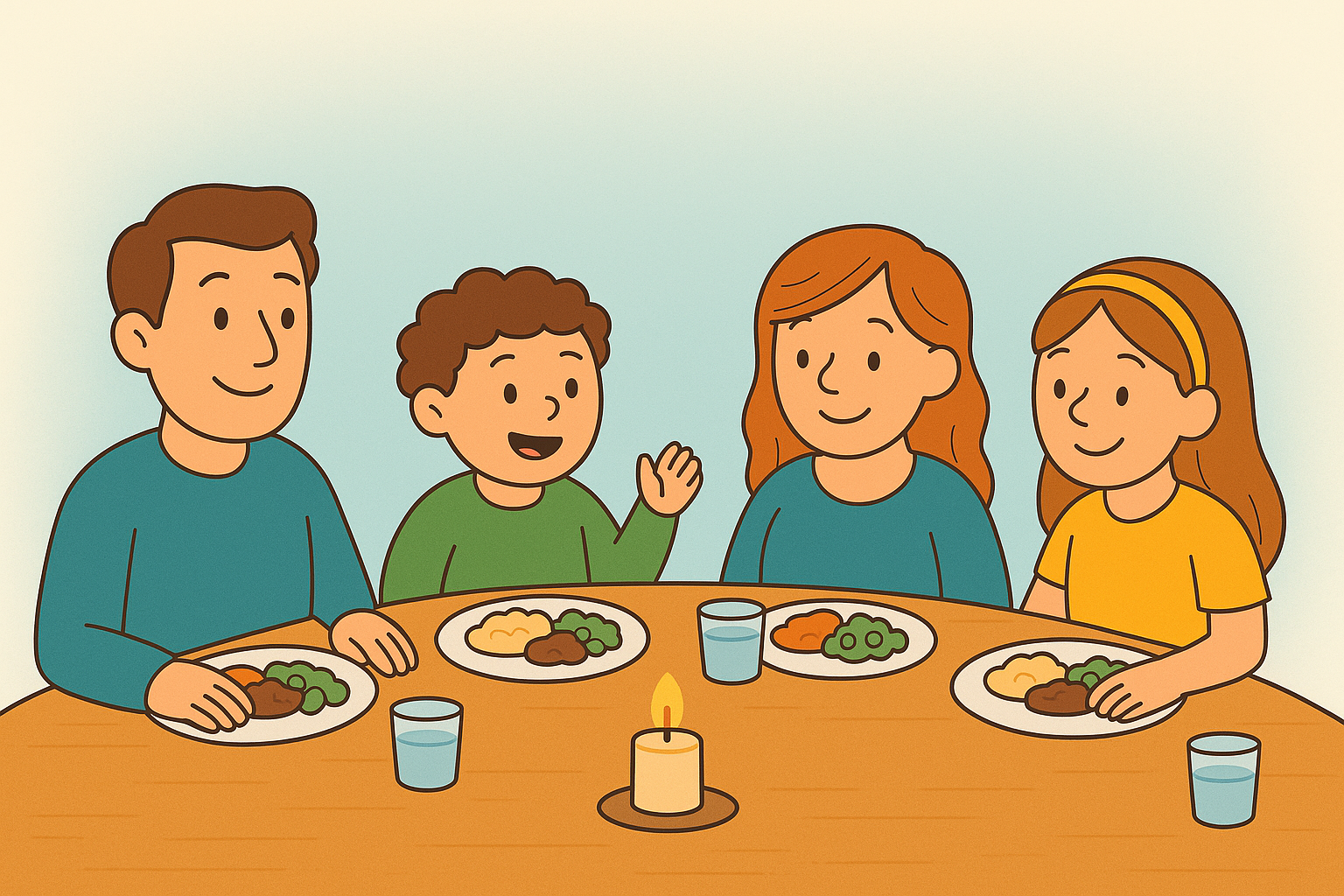
Why Gratitude Circles Bring Warmth to the Dinner Table
Dinner is one of the few moments in a busy family day where everyone pauses, sits down, and reconnects. Turning that moment into a gratitude circle creates a powerful ritual that helps children feel grounded, appreciated, and emotionally connected to the people around them. Gratitude circles don’t need to be formal or complicated — they thrive on consistency and sincerity. Even a few sentences spoken from the heart can transform the dinner table from a place of routine into a place of reflection, comfort, and shared joy.
Families who build this tradition often notice that evening moods soften, conversations deepen, and children become more expressive. Gratitude circles become the emotional thread that ties the family together, especially during seasons where life feels hectic. Over time, the ritual becomes a memory in itself — one that children carry well beyond childhood.


The Developmental Benefits of Gratitude Rituals
Children grow emotionally through repeated experiences, not just instructions. Gratitude circles help children practice essential social-emotional skills in a warm, supportive environment.
Kids learn to:
Identify and name positive moments
Build empathy by listening to others
Reflect on their day
Notice acts of kindness
Develop emotional vocabulary
Experience calm, structured connection
This type of reflective ritual strengthens secure attachment and self-awareness, much like the emotional grounding found in Teaching Kids to Say Thank You With Heart, where children learn to express gratitude authentically rather than mechanically.
When practiced regularly, gratitude becomes a mindset — something children begin to express naturally during everyday moments.
Creating a Cozy Atmosphere for Gratitude Circles
The mood of the environment plays a big role in helping kids feel open and present. You don’t need elaborate décor — just a few intentional details that signal togetherness.
Families often enjoy:
Soft lighting or a battery-powered candle
Light background music
A simple centerpiece (flowers, a seasonal item, or a child-made craft)
Phones placed aside or muted
Everyone seated comfortably together
This gentle setup mirrors the atmosphere encouraged in Creating a Cozy Family Mood Night in Winter, where small environmental touches help families transition into deeper connection.
What matters most is that the dinner table feels safe, unhurried, and warmly inviting.
How to Introduce the Gratitude Circle to Your Family
Introducing a gratitude circle should feel natural, not forced. Begin by explaining the purpose in warm, simple terms:
“We’re going to try a new family ritual. Every night at dinner, each of us will share one thing we’re grateful for. It can be big or small, silly or serious — whatever feels true today.”
Make sure kids know there are no right or wrong answers. Gratitude can be:
A moment (“Recess was fun today.”)
A person (“I liked playing with my cousin.”)
A feeling (“I felt proud during my project.”)
Something simple (“The soup tastes good!”)
Let children observe a few rounds before asking them to participate. Modeling helps them understand the intention and rhythm of the ritual.
Prompts That Help Kids Reflect More Deeply
Some children jump right into gratitude sharing, while others need a bit of support. Gentle prompts help kids find their words without feeling pressured.
Try questions like:
“What made you smile today?”
“Who helped you today?”
“What’s something that felt exciting or peaceful?”
“What part of today do you want to remember?”
“Who did you help today?”
These prompts deepen reflection and help kids explore nuances like kindness, perseverance, connection, and joy. They also help children who struggle with open-ended questions.
Gratitude Variations That Keep the Ritual Fresh
While the basic gratitude circle is powerful on its own, families often enjoy introducing variations to keep things interesting or fit different moods.
Consider:
Three Words of Gratitude: Each person shares three words only.
High-Low-Kind: One highlight, one challenge, one kind act.
Gratitude Object: Pass a small object around; the person holding it shares.
Themed Gratitude Nights: Gratitude for people, nature, learning, creativity, etc.
Silent Gratitude Moment: A short pause before sharing.
These variations help engage different ages and temperaments, keeping the ritual lively and meaningful.
Supporting Kids Who Feel Shy or Unsure
Not every child will feel comfortable speaking in front of the family right away, and that’s perfectly okay. The goal is not performance — it’s connection.
You can support hesitant children by:
Allowing them to “pass” without comment
Encouraging them to whisper their gratitude to a parent
Offering sentence starters (“Today, I liked…”)
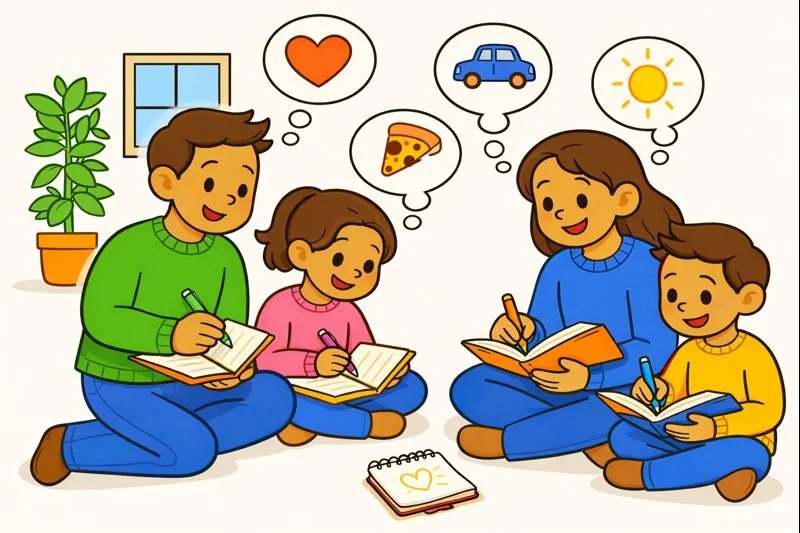
Using drawing instead of words
Letting them share last after listening to others
This gentle approach mirrors the calming support offered in Family Gratitude Walks and Reflections, where reflection happens at a child’s pace, not on a strict timeline.
Over time, shy children usually find their voice naturally through consistent, pressure-free exposure.
How Gratitude Circles Strengthen Family Bonds
Shared gratitude creates an emotional bridge between family members. When everyone listens to each other’s experiences — the joys, surprises, small delights, and meaningful moments — family members begin to see one another in deeper ways.
Gratitude circles help families:
Understand each other’s inner worlds
Celebrate small wins together
Create a stronger sense of belonging
Build empathy and resilience
Laugh and enjoy each other’s stories
Even a few heartfelt sentences can shift the tone of the entire evening.
Using Gratitude Circles to Navigate Stressful or Busy Seasons
During times of stress — holidays, transitions, school projects, or busy work weeks — gratitude circles become especially grounding. They offer a moment to slow down and reconnect emotionally.
When kids sense family stress, they often absorb it silently. Gratitude circles help counter that by giving everyone a chance to pause, breathe, and name the good things still happening.
This shift mirrors the benefits explored in The Benefits of Slowing Down During Busy Seasons, where intentional pauses help families maintain emotional balance even during full schedules.
Adding Creativity to Your Gratitude Tradition
Families can enrich gratitude circles with simple creative elements that make the ritual more playful and memorable, especially for young children.
Try:
A gratitude journal where each child adds one sentence or drawing after dinner
A gratitude jar that collects notes all year
A seasonal gratitude board displayed in the kitchen
Kids creating gratitude puppets who “speak” their thank-yous
A rotating family gratitude host role
Creativity keeps gratitude fun, accessible, and developmentally appropriate for all ages.
The Long-Term Impact of Gratitude Circles on Family Culture
Over months and years, gratitude circles shape how children see the world. They learn to pause, appreciate, and notice moments of goodness even on tough days. They become more aware of the kindness around them — and more likely to express kindness themselves.
Families that practice gratitude regularly often report:
Stronger emotional communication
More resilience during stressful times
A deeper sense of unity
Children who express appreciation more naturally
Warmer, calmer dinner routines
Ultimately, gratitude circles become a legacy — a meaningful tradition that teaches children how to live with awareness, connection, and heart.
This content is for educational purposes and is not a substitute for professional medical or psychological advice.