How to Celebrate Cultural Holidays Together
How to Celebrate Cultural Holidays Together
Why Cultural Holidays Matter for Families
Cultural holidays offer a beautiful window into identity, heritage, and the diverse ways people make meaning in their lives. Whether your family shares a single cultural background or blends several traditions, celebrating these holidays together helps children understand who they are, where they come from, and what connects them to others.
Kids are naturally curious. They love learning about special foods, traditional clothing, stories, decorations, and celebrations from around the world. When parents take time to explore cultural holidays at home—even in small ways—it teaches children that culture is something to honor, enjoy, and pass down.
These celebrations don’t need to be elaborate or historically perfect. What matters is that they spark connection—between past and present, between generations, and between the child and the world around them. A simple, thoughtful approach lets the celebration feel joyful rather than overwhelming.


Start by Exploring the Meaning Behind Each Holiday
Before planning activities or decorations, take a moment to understand why a particular cultural holiday is celebrated. Even simple explanations help children feel grounded.
You might explore:
The historical roots of the holiday
Important symbols and what they represent
How different regions celebrate the same tradition
What values, virtues, or lessons the holiday highlights
Stories that have been shared for generations
If you’re celebrating holidays from your own cultural background, this can be a meaningful way to reconnect with heritage. If you’re honoring a partner’s or a child’s culture, or teaching your kids about global traditions, it becomes an invitation into curiosity and respect.
This reflective approach mirrors the spirit found in How to Make Every Holiday Feel Meaningful (Not Materialistic)—focusing on intention rather than pressure.
Create a Warm Atmosphere With Cultural Touchstones
Small sensory elements instantly help kids recognize that a holiday is special. They also make the environment feel immersive without requiring a major setup.
Try incorporating:
Textiles or colors associated with the holiday
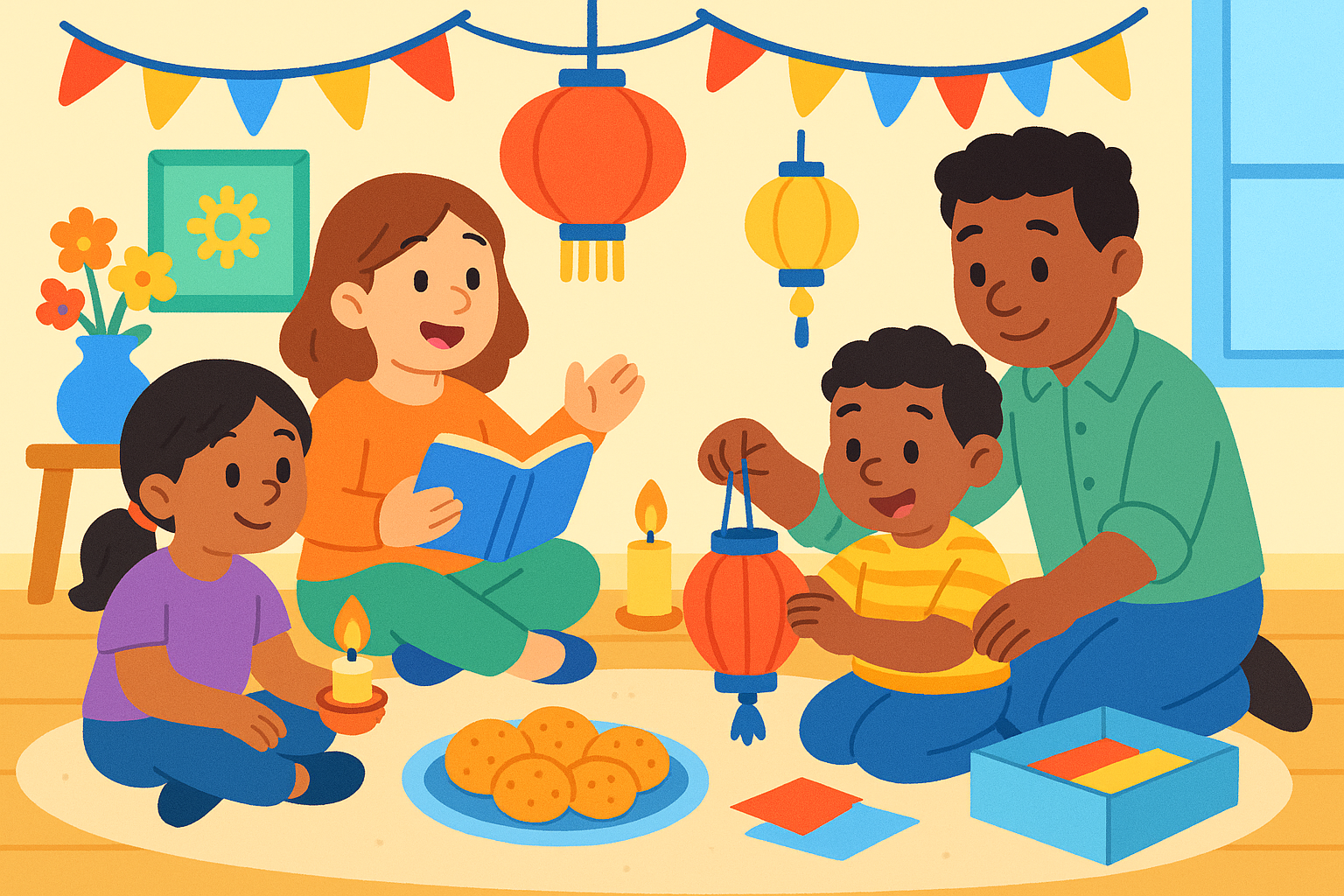
Simple decorations like candles, lanterns, paper garlands, or flowers
Music from the culture you’re exploring
Scents such as spices, oils, or holiday foods
A themed “celebration corner” with books and symbols
Children often associate celebrations with sensory cues. Hearing certain music, seeing certain colors, or smelling certain foods helps them remember the holiday year after year. These sensory elements lay a warm foundation for everything else you do together.
Share Stories, Folktales, and Cultural Narratives
Cultural holidays are full of stories—origin tales, myths, moral lessons, family anecdotes, and even silly childhood memories from parents and grandparents. Storytelling helps children understand the deeper purpose behind a tradition.
You might:
Read a picture book related to the holiday
Tell stories from your own childhood
Describe how ancestors once celebrated
Share why certain foods or rituals matter
Reenact short stories through puppets
This works especially well when paired with ideas from Encouraging Storytelling and Imagination Through Play, where puppets help kids engage with cultural characters and narratives. Story-based celebrations become vivid, personal, and unforgettable.
Let Kids Participate in Traditional Crafts or Art
Hands-on projects help children connect emotionally to cultural holidays. They don’t need to be complex—just meaningful and fun.
Consider trying:
Paper lanterns
Painted patterns inspired by traditional designs
Homemade ornaments or symbols
Paper flowers, stars, or garlands
Decorating candles or jars
Creating cultural-inspired puppets or masks
These crafts serve as both educational experiences and keepsakes. Children love displaying them year after year, and families enjoy seeing how their skills grow over time.
Bring Cultural Foods Into the Celebration
Food is one of the most joyful ways to explore culture. Whether you cook something traditional, put a modern spin on an old recipe, or order from a local restaurant, sharing cultural dishes helps introduce kids to flavors and customs.
Ideas include:
Baking a traditional dessert together
Trying spices or ingredients you don’t normally use
Creating a snack plate inspired by holiday colors
Making a family recipe passed down through generations
Watching a cooking video about the holiday’s cuisine
Let your child participate in the preparation, from stirring batter to choosing toppings. Food becomes a memory, a connection point, and a sensory experience that brings culture to life.
Incorporate Music, Dance, and Movement
Movement-based traditions help children experience a holiday through their bodies. Even small gestures—clapping rhythms, simple dances, or musical patterns—help kids feel the joy and energy of cultural celebrations.
You might:
Play traditional songs
Teach a simple dance step
Introduce percussion instruments
Practice a rhythmic clapping pattern
Watch a cultural performance together
Children naturally absorb cultural knowledge when they move, sing, and play. These activities also support sensory regulation and make the experience more immersive.
Create a Cultural Activity Together as a Family
Choose one special activity that becomes your family’s signature way of celebrating the holiday. It can be big or small—what matters is consistency and heart.
Try:
Lighting candles or lanterns
Making a symbolic item as a family
Setting aside time for a cultural game
Exploring a map of where the tradition originated
Watching a documentary or animated short about the holiday
Building a small altar or display together
No need to recreate every tradition perfectly. Instead, build rituals that feel authentic to your family’s life, pace, and personality.
Encourage Reflection, Appreciation, and Conversation
Cultural holidays are a natural invitation to talk about values—kindness, gratitude, courage, resilience, giving, storytelling, community, and connection.
You might reflect together by asking:
What did we enjoy about today’s celebration?
What surprised us?
What part of the holiday felt meaningful?
What are we curious to learn more about?
What tradition would we like to add next year?
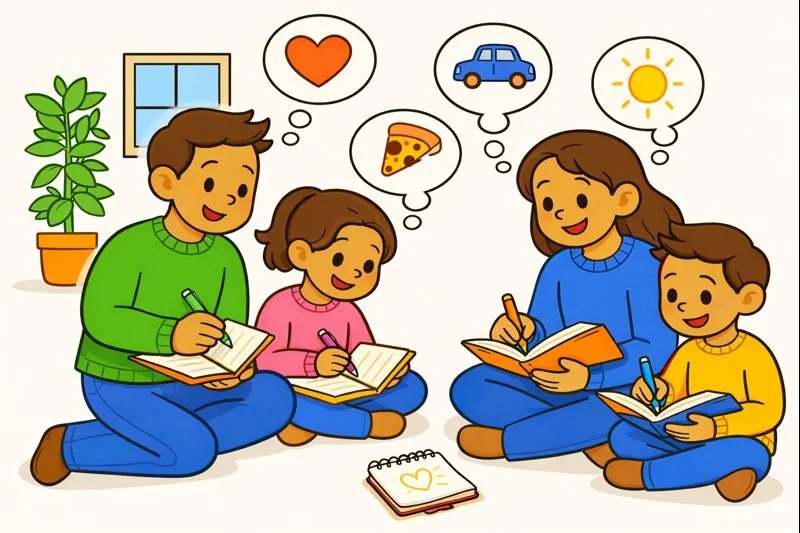
This pairs beautifully with practices found in Family Journaling: Reflecting on Daily Gratitude, where families share small but meaningful reflections. These conversations turn celebrations into lifelong learning moments.
Capture Memories in Creative and Personalized Ways
Record your cultural celebrations in ways that feel natural and joyful. These memories become part of your family’s story and help children recognize the value of tradition.
Ideas include:
Taking a family photo in front of the holiday setup
Saving a piece of art your child made
Writing down one favorite memory from the day
Creating a small scrapbook page for each cultural holiday
Making a short puppet reenactment of the celebration
These keepsakes don’t need to be polished—they just need emotional significance.
Let Cultural Celebrations Evolve Over Time
Your family’s cultural celebrations will grow and change as your children get older. New traditions will emerge, older ones may fade, and some will shift to reflect your evolving identities. That’s the beauty of culture—it is alive, flexible, and deeply personal.
You might add new holidays as your family grows, simplify celebrations during busy seasons, or reintroduce traditions when the time feels right. There is no “correct” way to celebrate—only the way that brings warmth, connection, learning, and joy.
By honoring cultural holidays in a gentle, intentional way, you help your children cultivate respect, curiosity, and pride. You show them that every culture has rich stories worth sharing—and that your home is a place where those stories are welcomed, celebrated, and cherished.
This content is for educational purposes and is not a substitute for professional medical or psychological advice.