Mindful Gift Exchanges That Teach Generosity
Mindful Gift Exchanges That Teach Generosity
Why Mindful Gift Exchanges Matter for Kids
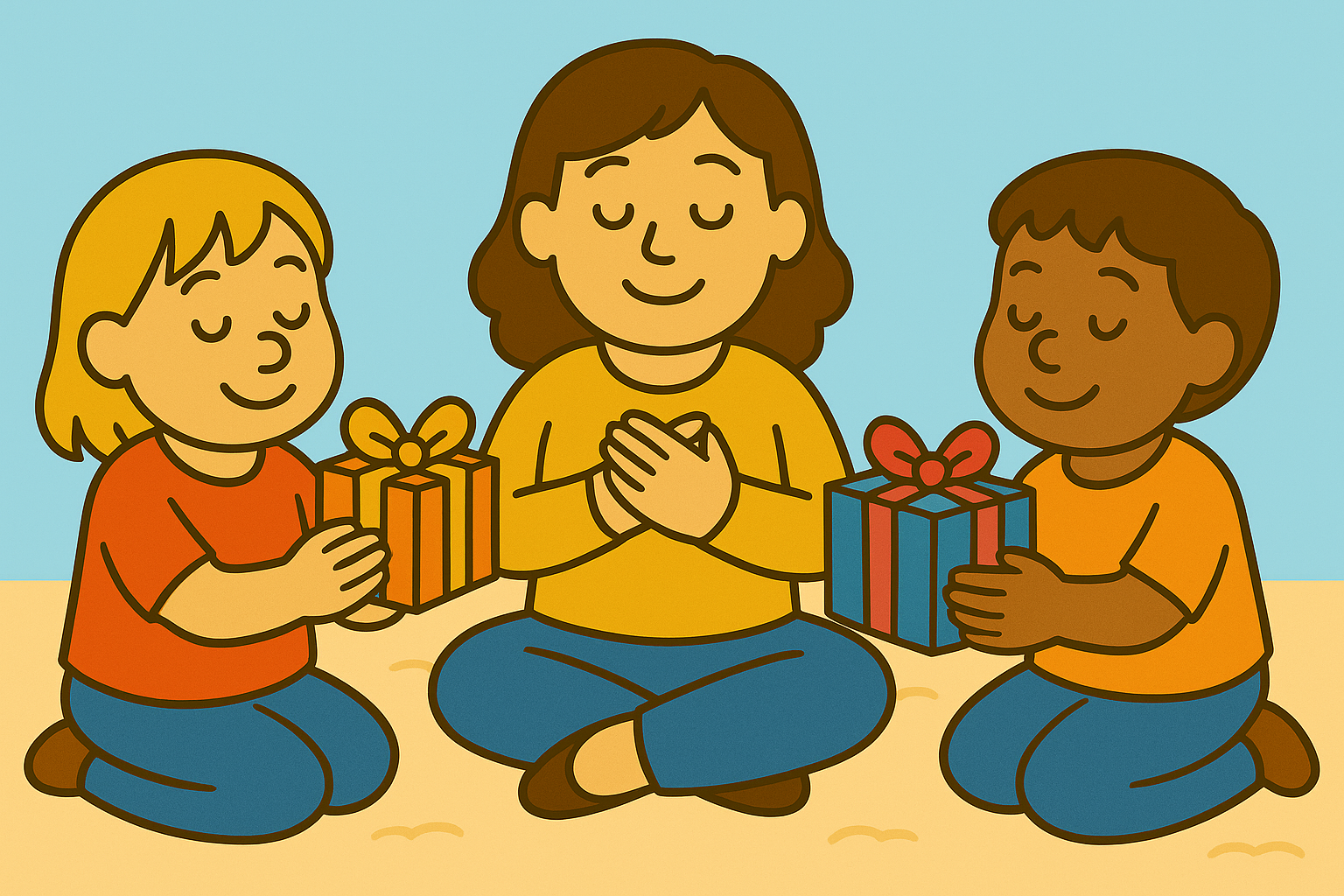
Gift exchanges show up in nearly every holiday tradition, but they can easily become overwhelming for young children. Between the excitement, surprises, and social expectations, kids sometimes struggle to understand the true purpose behind giving. Mindful gift exchanges shift the focus from “getting presents” to “sharing joy.” They encourage kids to notice how giving feels, consider others’ feelings, and participate in something meaningful rather than materialistic.
Children don’t need elaborate explanations. They learn generosity through simple, repeated experiences: choosing a thoughtful item, creating something with their hands, giving without expecting something in return, and noticing how their actions affect others. A mindful exchange turns the moment into something deeper—a lesson wrapped in warmth and connection.


Setting the Tone: Focus on Feelings, Not Things
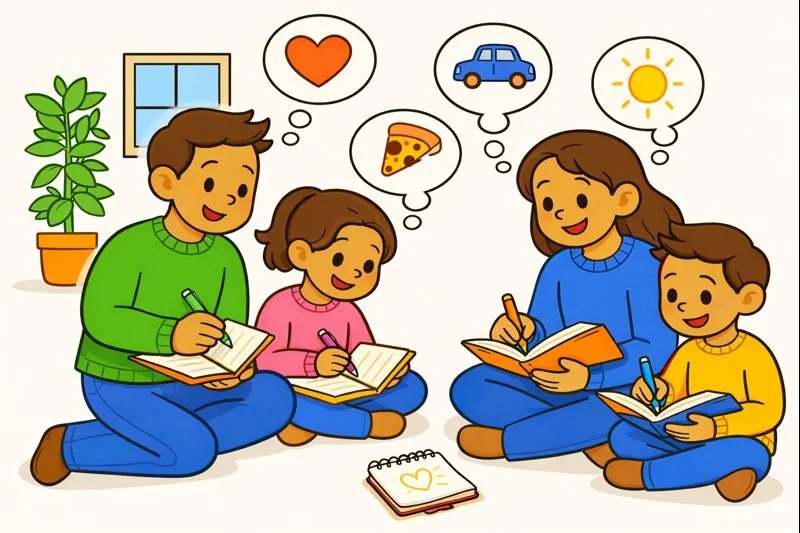
Before planning the exchange, help kids connect with the emotional side of giving. Instead of introducing it as an obligation, present it as an opportunity to make someone feel special.
Try asking:
“What does it feel like when someone gives you something thoughtful?”
“How do you think you’ll feel when you give someone a gift you chose?”
“What do you hope the person feels when they open it?”
These questions frame gift-giving around empathy and help kids internalize the heart of the experience.
Choosing the Right Type of Exchange for Your Family
Mindful exchanges aren’t one-size-fits-all. Select an approach that fits your family’s age range, traditions, and energy level. Some options include:
A one-gift exchange where each family member gives to one person
A handmade-only exchange
A small item with large meaning exchange
A story-based exchange, where each gift carries a personal memory
A service exchange, where each person gives an act of kindness
The goal is to make the exchange manageable, joyful, and emotionally grounded.
Introducing Handmade Gifts as Heartfelt Alternatives
Handmade gifts are perfect for mindfulness because they require time, intention, and creativity. For kids, this process becomes a sensory and emotional experience. They put part of themselves into what they make.
Ideas include:
Painted bookmarks
Hand-drawn portraits
Decorated ornaments
Simple baked treats
Friendship bracelets
A small craft aligned with the season
This echoes the personal, connection-focused spirit of Simple Homemade Gifts Kids Can Make and Give, where kids feel proud of the gifts they create with their own hands.
Encouraging Kids to Think About the Recipient
Mindfulness grows when children slow down to consider who they’re giving to and why. You can guide them by asking:
“What colors does Grandpa love?”
“What makes your sister laugh?”
“What does your friend use every day?”
“What could help someone feel cozy or calm?”
These questions teach perspective-taking—an essential building block of empathy.
Creating a Calm, Cozy Environment for the Exchange
Children absorb the emotional atmosphere around them. When the environment feels warm and unhurried, the experience becomes more meaningful. Try:
Turning down overhead lights
Using string lights or candles (out of reach)
Playing soft, comforting music
Sitting in a circle
Taking turns slowly and respectfully
Allowing each person to share a few words
This nurturing environment mirrors the peaceful setups used in Cozy Winter Reading Nooks for Family Storytime, where mood enhances connection.
Slowing Down the Moment With Gentle Rituals
Rituals help anchor the experience in children's memories. Consider:
Passing gifts one at a time
Whispering or saying a wish for the recipient
Having the gift-giver share why they chose or made it
Clapping or pausing after each exchange
Taking a family photo after the last gift is opened
These rituals help kids feel that the moment is special, not rushed.
Using Puppet Play to Reinforce Generosity
Puppets can help children understand generosity in a low-pressure, imaginative way. Before the real gift exchange, act out a “practice exchange” with puppets:
A puppet gives a mismatched gift and learns giving is about care, not perfection
A puppet feels shy about giving but is celebrated for trying
A puppet makes a handmade gift that warms someone’s heart
A puppet receives something unexpected and responds with kindness
This technique helps children process emotions in a playful format, similar to the lessons in Puppet Shows That Celebrate Acts of Kindness.
Creating Space for Emotional Reflection Afterward
Once the exchange ends, create a soft landing. Children often need help naming the feelings around giving and receiving. Ask:
“What was your favorite part of giving today?”
“How did your heart feel when you saw their smile?”
“Was anything surprising or funny?”
These reflections help embed empathy into children's long-term emotional memory. They also reinforce that giving is about connection, not correctness.
Keeping the Experience Mindful Year After Year
The beauty of mindful gift exchanges is how easily they can become a family tradition. When repeated annually (or even seasonally), children develop:
A deeper understanding of generosity
Confidence in expressing care
Stronger emotional awareness
A sense of identity within the family
Families may choose to incorporate mindful exchanges into birthdays, seasonal celebrations, or even “just because” days. Over time, the ritual becomes part of the emotional fabric of the home—much like the personal traditions highlighted in The Role of Holidays in Building Family Identity.
Helping Kids Understand That Giving Creates Joy
Mindful gift exchanges gently teach children that generosity is a source of joy—not a transaction. They learn that:
Giving feels good
Thoughtfulness matters
Imperfection is welcome
Connection is the true gift
Small acts can have big emotional meaning
When children experience this repeatedly, they begin to approach holidays—and everyday life—with more empathy, gratitude, and compassion.
This content is for educational purposes and is not a substitute for professional medical or psychological advice.