Building Family Traditions Around Kindness
Building Family Traditions Around Kindness
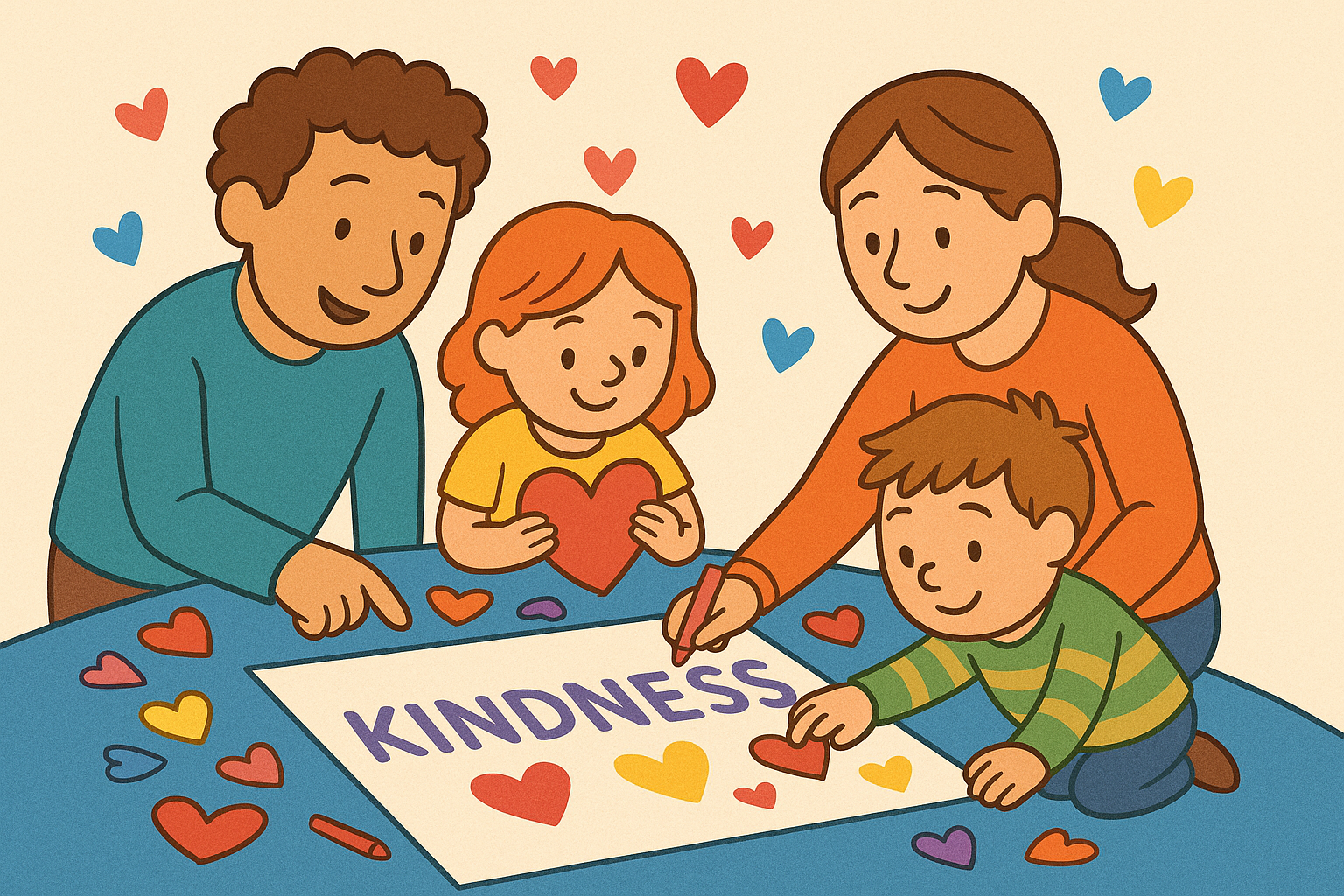
Why Kindness Traditions Make Family Life Feel Meaningful
In a world that often feels fast, loud, and demanding, families long for practices that bring warmth, purpose, and emotional connection into their daily lives. Building traditions around kindness gives children an anchor — a reliable rhythm of care and compassion that shapes the atmosphere of the home. These traditions don’t need to be elaborate. Even the smallest gestures, repeated consistently, help kids internalize kindness as a core family value.
Kindness traditions also strengthen family relationships. When children see kindness modeled and practiced routinely, they feel more secure, more connected, and more confident navigating their own social world. Over time, these rituals become part of who your family is — the memories kids carry into adulthood and the emotional foundation they lean on when life gets challenging.


How Children Learn Kindness Through Modeling and Repetition
Children learn kindness primarily by watching how caregivers behave. They imitate tone, gesture, empathy, and the way adults respond to both joy and conflict. When kindness shows up repeatedly in the home — through rituals, language, and actions — it becomes a familiar pattern that children naturally adopt.
Kindness also grows through practice. Small, repeated acts help kids develop emotional muscles: noticing, helping, thanking, comforting, including, and appreciating. This approach aligns with the gentle teaching strategies found in Teaching Kids to Say Thank You With Heart, where emotional meaning comes from genuine expression rather than forced manners.
By weaving kindness into the fabric of family life, parents give kids the tools to build strong relationships and compassionate character.
Starting With Everyday Micro-Traditions
Not all traditions have to be seasonal or ceremonial. Some of the most powerful kindness rituals are tiny, everyday moments that become part of the family’s emotional rhythm.
Examples include:
A morning “kind wish” for someone in the family
A nightly “thank you for today” moment
A weekly “kind deed of the day” check-in
Making space for compliment-sharing at dinner
Family hugs or hand squeezes before transitions
These micro-traditions help children see kindness as a constant presence rather than something reserved for special occasions. Over time, they become grounding habits that support emotional regulation and secure attachment.
Seasonal Kindness Rituals That Anchor the Year
Seasonal traditions stand out in childhood memories because they mark time in a joyful, predictable way. Kindness rituals tied to seasons or holidays give kids something to anticipate and participate in.
Try:
Fall: Delivering warm drinks or baked goods to neighbors
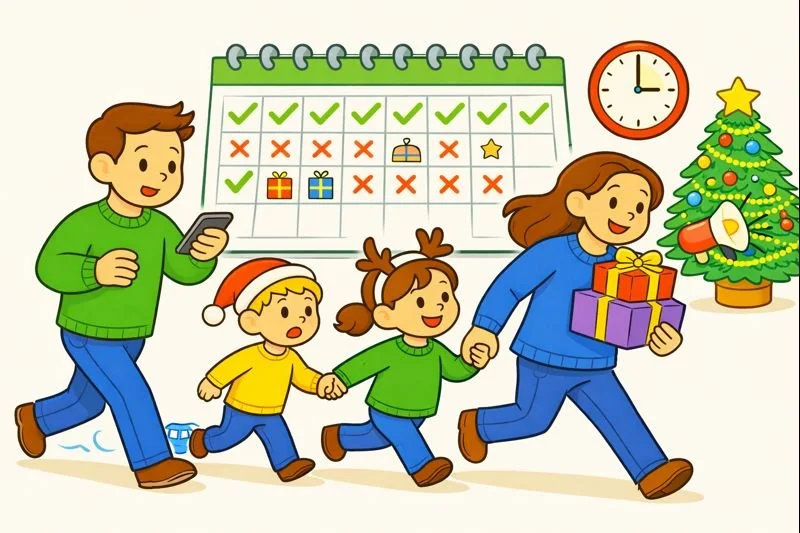
Winter: A “kindness countdown” where each day includes a simple good deed
Spring: Gathering nature treasures to make cards or gifts
Summer: Picking flowers or sharing popsicles during a neighborhood walk
These seasonal kindness rituals echo the hands-on, celebratory experiences found in Creative Valentine’s Cards Kids Can Make, where creativity becomes an expression of connection and care.
Building Kindness Into Family Celebrations
Birthdays, holidays, and milestones offer beautiful opportunities to introduce kindness-centered traditions. These moments already hold emotional weight, making them ideal for teaching generosity and empathy.
Ideas include:
A birthday tradition of giving small “appreciation notes” to the person being celebrated
A holiday ritual where children choose a gift to donate
A milestone moment where the family expresses gratitude aloud
Creating a “kindness wreath” with paper hearts naming acts of kindness
When kindness becomes part of the celebration, kids learn that joy isn’t only about receiving — it’s also about giving.
Encouraging Kids to Take Ownership of Kindness
Kindness traditions become more powerful when children play an active role in shaping them. Ownership builds pride, independence, and emotional investment.
Invite kids to:
Choose weekly kindness goals
Invent new family rituals
Create art, notes, or gifts for loved ones
Suggest ways to help neighbors or classmates
Lead kindness-themed activities
When children lead, they begin to see themselves as capable of making meaningful contributions to the world around them. This shift in identity supports empathy, confidence, and strong social-emotional development.
Turning Kindness Into Playful Family Activities
Kindness grows best when it feels joyful and engaging. Turning kindness into a game or playful tradition makes it easier for kids — especially younger ones — to participate wholeheartedly.
Try:
A “kindness scavenger hunt” where family members look for moments to help
Rolling a dice where each number corresponds to a kind action
A kindness “bingo card” for the month
A puppet show about kindness themes
A family kindness jar where you add a pom-pom for each kind deed
Play reduces pressure and keeps kindness authentic rather than performative. It also mirrors the joyful energy families experience in activities like Family Holiday Music Nights With Homemade Instruments, where creativity brings everyone together.
Using Storytelling to Grow Empathy
Stories have a unique ability to soften children’s hearts and expand their understanding of how others feel. Families can use storytelling to weave kindness lessons into evening routines, meal conversations, or playtime.
Helpful storytelling approaches include:
Sharing family stories of people who acted kindly
Reading books that highlight empathy and generosity
Making up fictional stories where characters help each other
Narrating real-life examples of kindness kids witnessed during the day
Storytelling builds emotional vocabulary and gives children concrete examples of how kindness impacts relationships and communities.
Repairing, Apologizing, and Making Amends as Kindness Rituals
Kindness traditions aren’t just about doing positive things — they also involve learning how to repair moments of conflict. Teaching children to apologize, make amends, and rebuild trust is one of the most meaningful forms of kindness they can learn.
Families can use gentle rituals like:
A “try again” moment after conflict
Writing or drawing an apology together
Offering a small act of repair, like helping clean up or sharing a snack
Practicing simple scripts that express accountability
These traditions help children understand that mistakes are normal and relationships can be strengthened through honesty and care. They also cultivate emotional resilience and deeper connection.
Creating a Family Kindness Journal or Wall
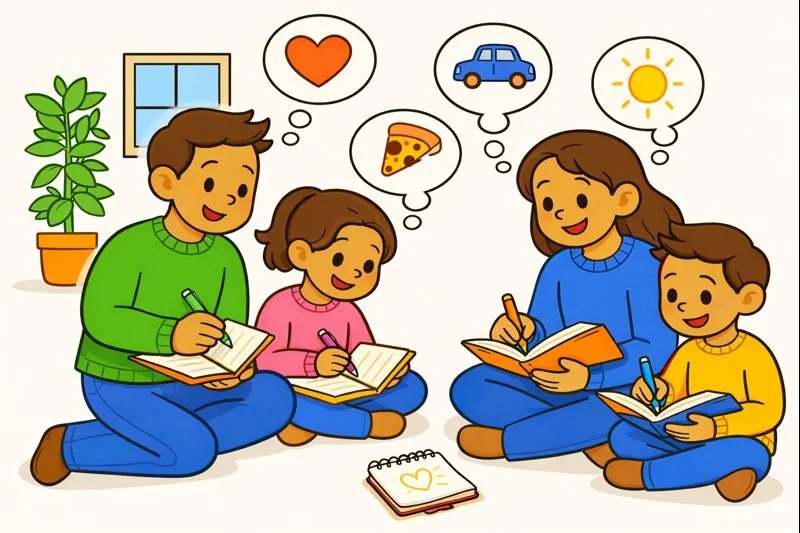
A visual reminder of kindness helps reinforce the tradition. Families often enjoy creating a journal, scrapbook, or kindness wall where moments of generosity, gratitude, or emotional growth are recorded.
You might include:
Photos
Drawings
Written notes
Stickers
Short stories about acts of kindness
Over time, this visual archive becomes a treasure — a timeline of the family’s emotional journey. Children love looking back and seeing how their actions made a difference.
This practice also fosters reflection, similar to the grounding experience in Family Gratitude Walks and Reflections, where noticing and appreciating small moments is part of the tradition.
The Legacy of Kindness Traditions in Childhood
When kindness becomes a rhythm, a ritual, and a source of joy in family life, it leaves a lifelong imprint. Children who grow up in a home where kindness is celebrated develop a stronger sense of empathy, confidence, and belonging. They understand themselves as contributors to the world around them, not just participants.
Years from now, your children may not remember every tradition in detail, but they will remember the emotional warmth — the feeling of being part of a family that valued kindness, connection, and care. These traditions help shape who they become, guiding them toward compassionate adulthood.
Ultimately, kindness traditions are not just about what your family does — they’re about who your family is. And that identity becomes one of the greatest gifts you give your children.
This content is for educational purposes and is not a substitute for professional medical or psychological advice.