Teaching Kids to Say Thank You With Heart
Teaching Kids to Say Thank You With Heart
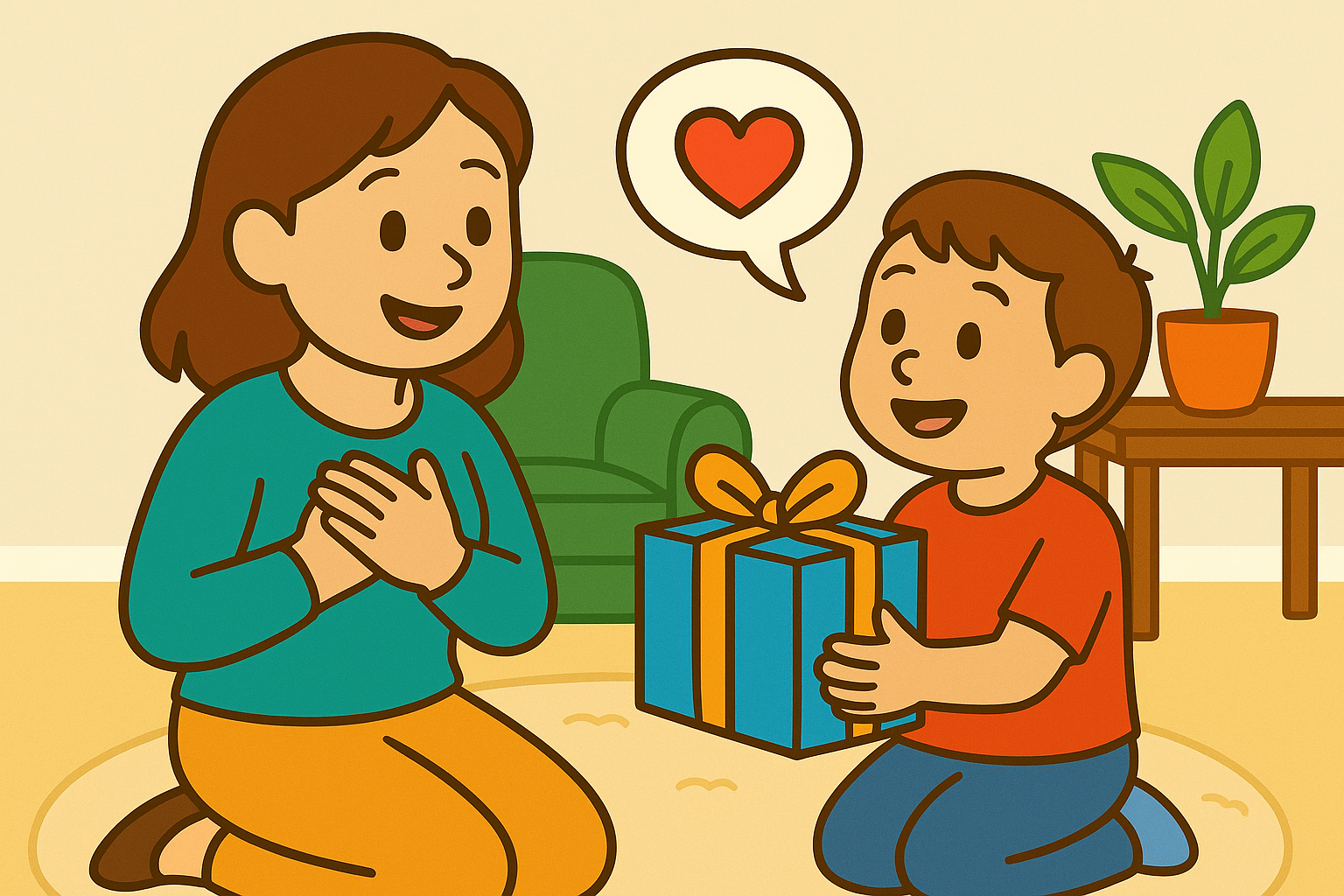
Why Heartfelt Gratitude Matters More Than Polite Words
Most families teach their children to say “thank you” from an early age. But while the words themselves are simple, the meaning behind them is what truly shapes a child’s character. A heartfelt thank you goes beyond social manners — it reflects empathy, appreciation, and genuine emotional awareness.
Kids learn gratitude not by memorizing phrases but by experiencing moments where appreciation feels real. When a child learns to express thanks with heart, they become better at noticing kindness, valuing effort, and understanding the feelings of others. These are skills that shape lifelong relationships and emotional resilience.
Heartfelt gratitude doesn’t appear overnight. It grows slowly, nurtured by modeling, conversation, and small everyday interactions. And busy seasons — birthdays, holidays, school celebrations — offer natural opportunities to help kids learn the deeper meaning behind their thank-yous.


Understanding How Children Develop Real Gratitude
Gratitude develops in stages, much like language or empathy. Young toddlers imitate thank-you phrases because they hear them often. Preschoolers begin to understand that people do things for them. Older children gradually recognize effort, intention, and emotional impact.
It’s important for parents to meet children where they are developmentally. A three-year-old’s thank you might sound enthusiastic but generalized, while a seven-year-old can express more specific appreciation.
Child development experts emphasize that gratitude has four components:
Noticing something done for them
Thinking about why it was done
Feeling appreciative
Expressing that appreciation
Parents can support these steps through gentle conversation, modeling, and rituals. This mirrors the emotional guidance found in Helping Kids Learn Accountability Without Shame, where children learn to reflect on actions with emotional clarity rather than pressure.
Modeling Heartfelt Gratitude in Everyday Life
The most powerful way to teach gratitude is to model it. Kids learn far more from what they see than from what they’re told.
Parents can weave meaningful gratitude into daily moments by:
Using specific language (“Thank you for helping clean up — it made our morning easier.”)
Expressing appreciation to others in front of your child
Saying thank you to the child for genuine contributions
Sharing gratitude during family meals or bedtime
The goal isn’t to perform gratitude but to practice it genuinely. When parents speak with warmth, children absorb the emotional tone naturally.
Modeling also helps kids learn that gratitude isn't only for gifts — it’s for time, effort, kindness, and thoughtful gestures.
Creating Slow, Sincere Thank-You Moments During Busy Seasons
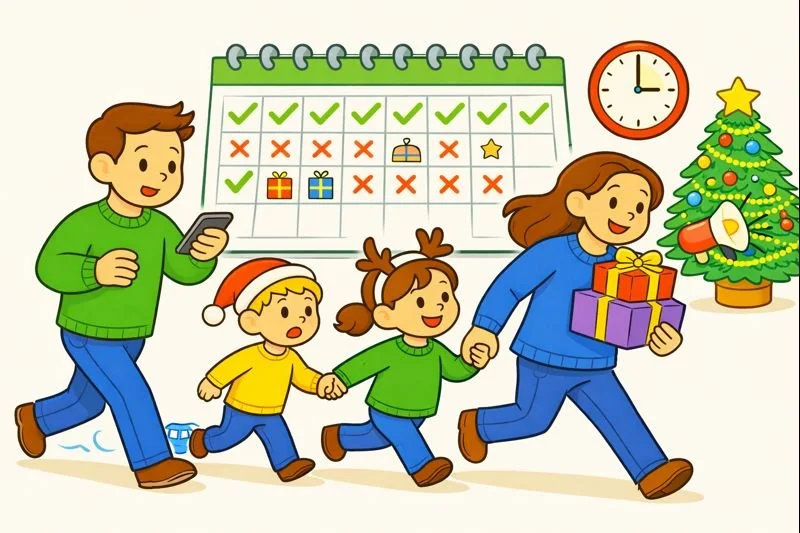
Busy times of year — holidays, birthdays, school events — often create a blur of gifts, treats, and surprises. These moments are ripe for gratitude learning, but they can also be overstimulating.
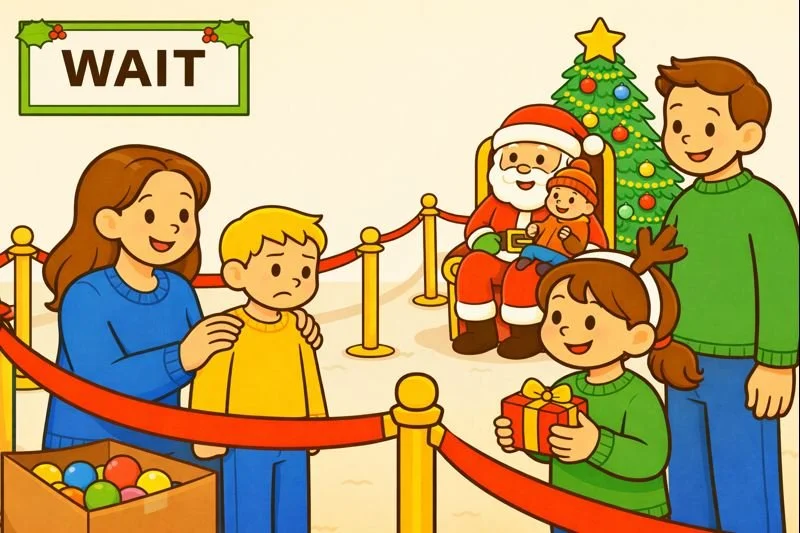
Slowing down helps children truly register the kindness behind what they receive. A warm pause encourages them to notice and reflect.
Try:
Taking a moment before opening a gift
Asking gentle questions (“Who do you think this is from?”)
Helping kids consider the giver’s intention
Keeping the environment calm so gratitude doesn’t feel rushed
This slow intentionality echoes the benefits described in The Benefits of Slowing Down During Busy Seasons, where families thrive when rhythm, tone, and emotional space are prioritized.
Teaching Kids to Say Thank You With Specificity
“Saying it with heart” often means being more specific than simply saying “thank you.” Children can learn to identify why they’re thankful or what part of a gesture meant the most.
Parents can prompt this gently:
“What part of this gift do you like best?”
“What did Grandma do that made you feel happy?”
“Can you tell them how you’ll use it?”
“What makes this special to you?”
Specific thank-yous feel more genuine because they reflect the child’s unique experience. The goal isn’t to force long phrases but to help kids connect emotionally with what they receive.
Examples:
“Thank you for the puzzle — I love animals!”
“Thanks for playing with me today. It made me feel happy.”
“Thank you for helping me. I liked how we did it together.”
These moments strengthen empathy, communication, and social confidence.
Encouraging Kids to Notice Everyday Kindness
While gifts provide clear opportunities for thank-yous, the most meaningful gratitude develops in simple daily interactions. Kids can learn to appreciate:
Someone holding a door
A sibling sharing a toy
A friend waiting their turn
A teacher offering help
A parent making their favorite snack
Encourage kids to speak gratitude in these small moments. You might model noticing aloud:
“I feel thankful that you helped pick up today — it made the room feel cozy.”
When gratitude becomes part of the environment, rather than a performance reserved for big events, kids internalize it as part of everyday living.
This subtle shift resembles the soft emotional regulating benefits described in Family Gratitude Walks and Reflections, where noticing small things builds deeper emotional awareness.
Using Creative Expression to Make Thank-Yous Memorable
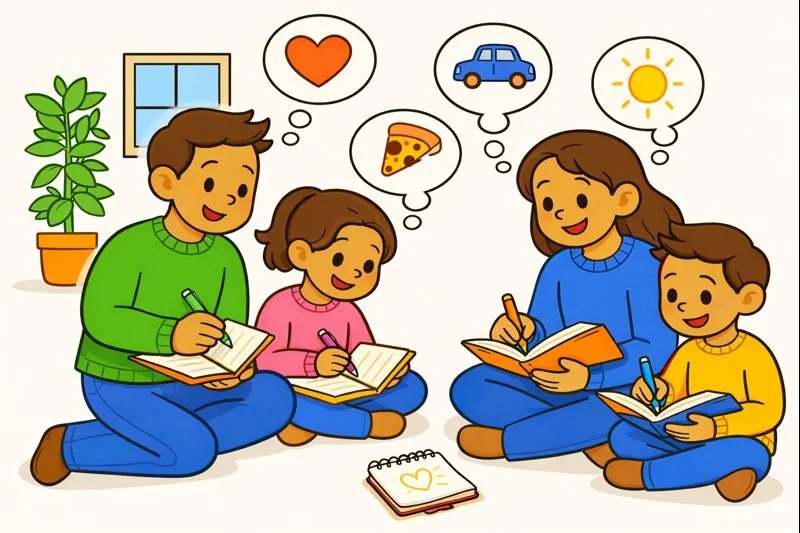
Children often enjoy expressing gratitude creatively, especially when writing or speaking feels challenging. Parents can help kids find the form that suits their personality.
Options include:
Drawing a picture
Making a thank-you collage
Recording a short video message
Baking a simple treat
Creating a handmade card
Decorating a small gift tag
Creative thank-yous feel especially meaningful during holidays or birthdays, becoming keepsakes for the giver and confidence-building experiences for the child.
These expressions also allow children to slow down and reflect, adding emotional depth to their gratitude.
Helping Kids Give Thank-Yous Even When Disappointed
One of the trickier gratitude lessons happens when kids receive something they didn’t expect — or perhaps didn’t want. Disappointment is normal, and children shouldn’t be shamed for it. Instead, parents can gently support the child in balancing honesty and gratitude.
Try:
Acknowledging the disappointment privately
Encouraging empathy (“They picked that gift because they thought you’d like it.”)
Helping the child focus on effort
Practicing simple gratitude phrases ahead of time
Kids can learn that expressing thanks doesn’t mean pretending to love something — it means appreciating the intention and kindness behind it.
Over time, this helps children regulate emotional reactions and respond with grace in social situations.
Turning Thank-You Practice Into Play
Gratitude becomes easier for kids when it feels fun rather than formal. Turn thank-you practice into a lighthearted game or playful ritual.
Try:
Role-playing with stuffed animals
Pretend gifting games
A “thank-you detective” activity where kids find moments of kindness
Gratitude charades
A thank-you song or dance
Play removes pressure and builds familiarity. As kids rehearse gratitude in a safe, silly setting, they become more comfortable expressing it genuinely with others.
This playful approach is similar to the joyful creativity found in traditions like Family Holiday Music Nights With Homemade Instruments, where rhythm and fun help kids express big emotions.
Creating Family Gratitude Traditions
Small, recurring rituals help gratitude become part of your family identity. When gratitude is woven into your traditions, it becomes something children look forward to, not something they must perform.
Families often enjoy:
A nightly gratitude moment before bed
Writing thank-you notes after holidays
A weekly “Who helped you this week?” conversation
A gratitude jar filled throughout the year
A gratitude walk during seasonal changes
These rituals strengthen emotional bonds and give kids consistent practice expressing thanks. Over time, gratitude becomes not just a habit but a cornerstone of family culture.
The Long-Lasting Gift of Teaching Thankfulness With Heart
Teaching children to say thank you with heart isn’t about perfect manners — it’s about nurturing empathy, emotional awareness, and connection. Kids who understand the meaning behind gratitude grow into adults who notice kindness, build caring relationships, and express appreciation genuinely.
When families model gratitude, slow down during key moments, celebrate everyday kindness, and create spaces for kids to speak from the heart, gratitude becomes a natural part of daily life.
Years from now, children might not remember every gift they received, but they’ll remember how gratitude felt: warm, sincere, and shared with the people they love most.
This content is for educational purposes and is not a substitute for professional medical or psychological advice.