How to Celebrate Small Wins Year-Round
How to Celebrate Small Wins Year-Round
Why Small Wins Deserve Big Appreciation
Families often wait for major milestones—birthdays, holidays, graduations, big achievements—to celebrate progress. But the truth is, childhood is built from hundreds of tiny steps: tying a shoe, sharing a toy, remembering a chore, reading a tricky word, calming down independently, or trying something new even when it feels scary. These small wins shape a child’s confidence far more than occasional big events.
Celebrating small wins year-round helps children recognize growth as a steady, ongoing journey rather than something measured only by big accomplishments. It teaches them that progress matters, effort matters, and everyday victories deserve recognition. For parents, acknowledging these moments transforms rushed days into opportunities for connection and joy. A quick celebration of a tiny success can shift the emotional tone of the entire day.


How Celebrating Small Wins Builds Confidence
Children grow emotionally when they see their efforts genuinely appreciated. Every small win shows them they are capable, resilient, and improving—even when the progress is slow or imperfect.
Celebrating small wins helps kids:
Strengthen internal motivation
Build a growth mindset
Feel seen and valued
Trust their ability to tackle harder challenges
Develop emotional resilience
Understand that setbacks are part of learning
This mirrors the encouragement children receive when families engage in routines like Family Gratitude Circles During Dinner, where reflection reinforces emotional awareness and pride in everyday moments.
When parents treat small wins as meaningful, children learn to celebrate their own progress too.
What Counts as a “Small Win”?
Small wins don’t have to be dramatic or rare—they happen throughout daily routines, play, learning, and relationships. Often, the most meaningful ones are internal, not visible.
Examples include:
Trying a new food
Getting ready without reminders
Sharing with a sibling
Cleaning up a mess independently
Practicing kindness during a tough moment
Finishing a book or worksheet
Trying again after frustration
Using words instead of tears to express feelings
Showing bravery in a new environment
Parents can begin noticing not only what kids achieve but how they show effort, patience, curiosity, or perseverance.
Creating a Family Culture That Notices Effort
Celebrating small wins isn’t about cheering constantly—it’s about noticing, naming, and valuing effort in meaningful ways. Children feel deeply affirmed when parents pay attention to growth that might otherwise go unnoticed.
Families can build this culture by:
Highlighting effort, not perfection
Naming specific actions (“I saw how hard you worked to clean up—well done!”)
Acknowledging internal wins (“You stayed calm when you were frustrated.”)
Celebrating attempts even if the outcome wasn’t successful
This approach echoes the warmth and modeling found in Teaching Kids to Say Thank You With Heart, where specificity and sincerity bring depth to everyday interactions.
Turning Small Wins Into Daily Rituals
One of the most powerful ways to celebrate small wins is by building simple daily rituals that highlight them consistently.
Ideas include:
A “rose of the day” moment at bedtime
A high-five ritual whenever someone tries something new
A small win announcement during dinner
A family cheer or special handshake
A daily “What did you learn today?” reflection
Rituals help children expect moments of celebration and reflect on their own progress. These pauses also help adults shift out of autopilot and appreciate small victories in parenting, not just in children’s behavior.
Creative Ways to Celebrate Small Wins
Celebrations don’t need to be big to feel special—children thrive on the emotional warmth of recognition rather than grand rewards.
Try:
A sticker or star chart (focused on effort, not outcome)
Letting the child choose a song to dance to
Doing a silly victory cheer together
Taking a picture of the accomplishment
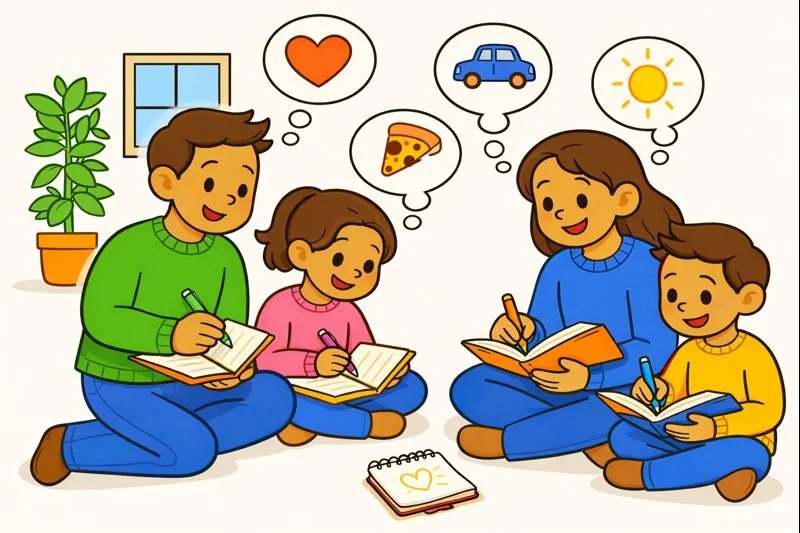
Drawing the small win in a family journal
Offering extra bedtime cuddles
Giving “effort badges” (paper bracelets, tiny notes, high-fives)
Simple celebrations become joyful memories when they’re shared consistently and sincerely.
Celebrating Emotional and Social Wins
Some of the most meaningful small wins are emotional or relational—moments that don’t produce a visible product but reflect maturity and growth.
Examples include:
Apologizing independently
Waiting for a turn
Practicing kindness during conflict
Asking for help appropriately
Handling disappointment calmly
Recognizing someone else’s feelings
Staying patient in a challenging situation
Celebrating these wins builds emotional intelligence and strengthens sibling and family relationships.
This aligns beautifully with the connective benefits explored in Family Gratitude Circles During Dinner, where families highlight emotional growth as part of their nightly reflection.
Seasonal Celebrations of Growth
Each season offers natural opportunities to reflect on growth and celebrate small wins tied to the rhythms of the year.
Fall:
Settling into new routines
Adjusting to school transitions
Learning to handle change
Winter:
Practicing patience during celebrations
Showing kindness toward family and friends
Navigating busy schedules with resilience
Spring:
Trying new outdoor activities
Showing curiosity in nature
Caring for plants or pets
Summer:
Building independence during free play
Learning new skills (swimming, biking, crafting)
Managing more flexible daily rhythms
Using seasons as reflection points helps kids see growth as continuous and cyclical rather than tied only to major events.
Helping Kids Recognize Their Own Small Wins
Over time, the goal is for children to recognize small wins within themselves—building inner confidence rather than relying solely on external affirmation.
Parents can encourage this by asking:
“What’s something you did today that you’re proud of?”
“What was hard today? How did you handle it?”
“What’s one thing you improved at this week?”
“Where did you notice yourself trying?”
These reflective questions help kids learn self-awareness and internal motivation. This self-recognition mirrors the gentle reflective practices described in Family Gratitude Walks and Reflections, where noticing becomes a pathway to emotional growth.
Celebrating Small Wins as Adults (Because Kids Are Watching)
Children learn how to view success by observing how adults treat their own achievements and mistakes. When parents model celebrating their small wins—finishing a task, solving a problem, practicing patience—they teach kids that progress is something to be honored at every age.
You might say:
“I stayed calm in traffic today—I’m proud of that.”
“I learned something new at work!”
“I made a healthy choice even when it was hard.”
This normalizes self-compassion and resilience, showing children that adults grow too.
How Small Wins Shape Family Identity Over Time
Celebrating small wins year-round creates a family culture built on encouragement, presence, and emotional awareness. Children learn that growth is constant, that effort matters, and that they are surrounded by people who notice and appreciate them.
Over time, these small moments add up:
More confidence
More emotional resilience
Stronger family bonds
Greater willingness to try new things
A deeper sense of belonging
Joy woven into everyday life
Big milestones will always matter—but the tiny steps in between shape who children become. When families celebrate small wins, they give kids the gift of feeling seen, capable, and loved every single day.
This content is for educational purposes and is not a substitute for professional medical or psychological advice.