How to Teach Kids to Appreciate Simplicity During Holidays
How to Teach Kids to Appreciate Simplicity During Holidays
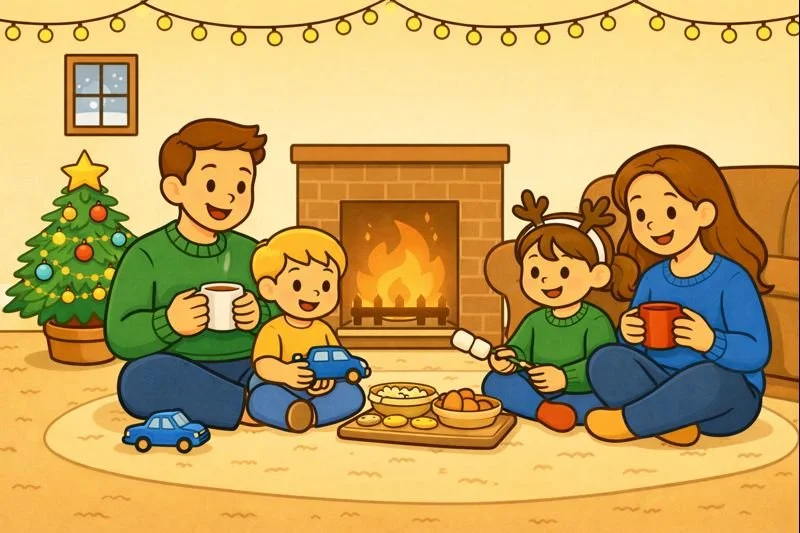
Why Simplicity Matters More During Busy Seasons
Young children process the world through repetition, rhythm, and emotional safety. When holidays introduce too many changes at once, kids can become dysregulated — even if the changes are “fun.”
Simplicity during holidays helps children:
Feel secure when routines shift
Stay emotionally balanced in stimulating environments
Focus on connection rather than consumption
Build long-term values around gratitude and contentment


Helping Kids Understand “Enough” Without Taking Joy Away
Children don’t naturally understand the concept of “enough.” They learn it through experience and modeling.
Helpful language includes:
“We’re choosing a few special things today so we can really enjoy them.”
“We don’t need to do everything to have a wonderful holiday.”
“This feels just right for our family.”
Modeling Calm as the Most Powerful Teaching Tool
Kids learn far more from what they observe than what they’re told. During holidays, parents’ energy sets the emotional tone.
Small but powerful shifts include:
Sitting down fully during activities
Limiting phone use during family time
Speaking gently even when schedules feel tight
Choosing Fewer Traditions — and Doing Them Well
Simplifying traditions doesn’t erase their value — it often strengthens it.
Benefits of fewer, intentional traditions:
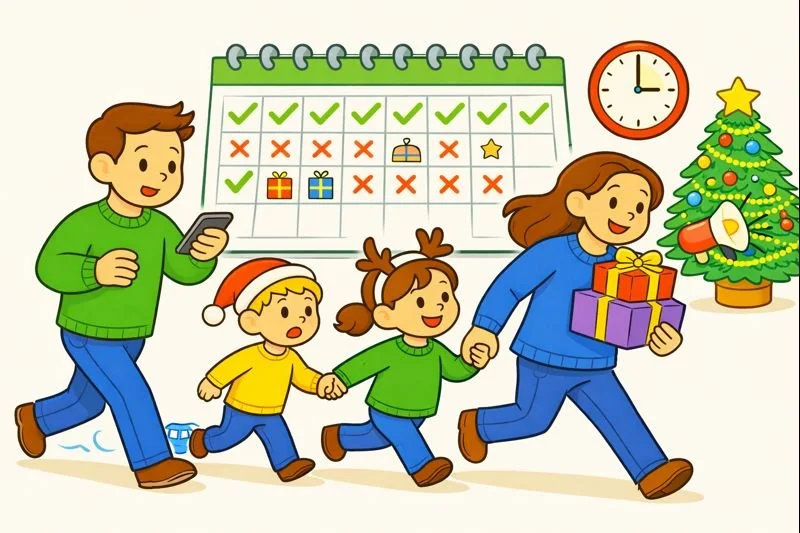
Less stress and rushing
Deeper emotional engagement
Stronger memory formation
More room for flexibility
This pairs naturally with Creating a Cozy Family Mood Night in Winter.
Making Space for Quiet Moments Kids Can Sink Into
Quiet moments help children process excitement and emotion.
Low-stimulation holiday activities include:
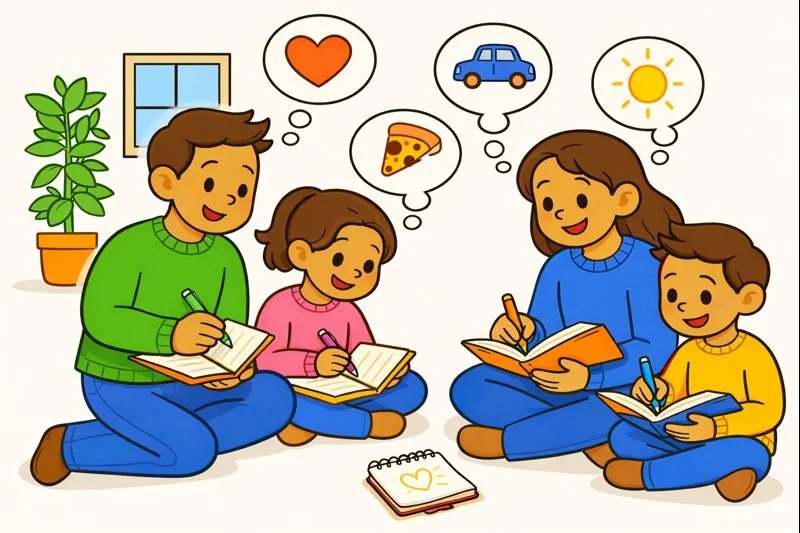
Reading together
Drawing or coloring
Playing simple board or card games
Sitting with a warm drink or snack
Talking About What Really Makes Holidays Special
After a holiday moment, gentle reflection helps redirect focus:
“What part made you feel happy inside?”
“Who did you like spending time with today?”
“What felt cozy or fun for you?”
Using Routines as Anchors When Everything Else Feels New
Maintaining familiar routines supports emotional safety.
Helpful anchors include:
Bedtime rituals
Shared meals
Morning or evening check-ins
This aligns well with Family Gratitude Circles During Dinner.
Letting Kids Participate in Simple Holiday Responsibilities
Age-appropriate roles reinforce purpose and belonging:
Setting napkins on the table
Choosing a bedtime story
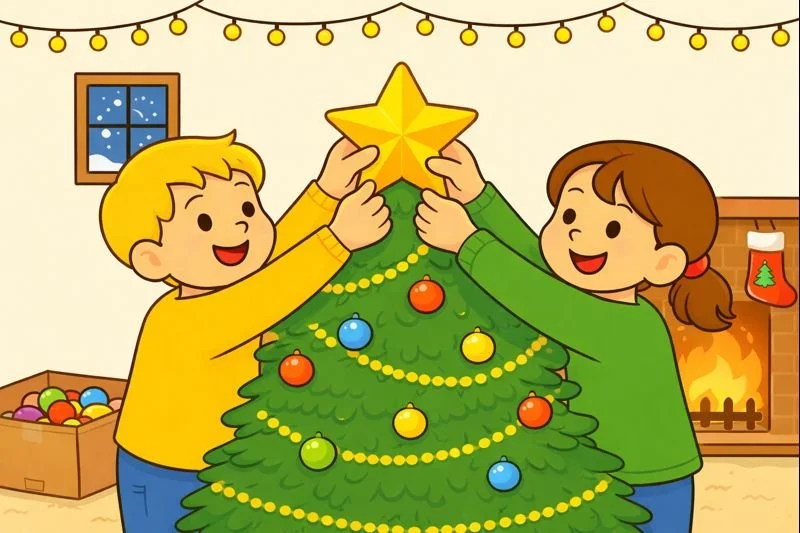
Helping tidy decorations
Reframing “Less” as a Choice, Not a Loss
Language that supports simplicity:
“We’re choosing less so we can enjoy more together.”
“We like keeping things simple — it helps us feel happy.”
This supports themes from How to Teach the Value of Giving Without Gifts.
Supporting Kids Who Struggle With Holiday Overstimulation
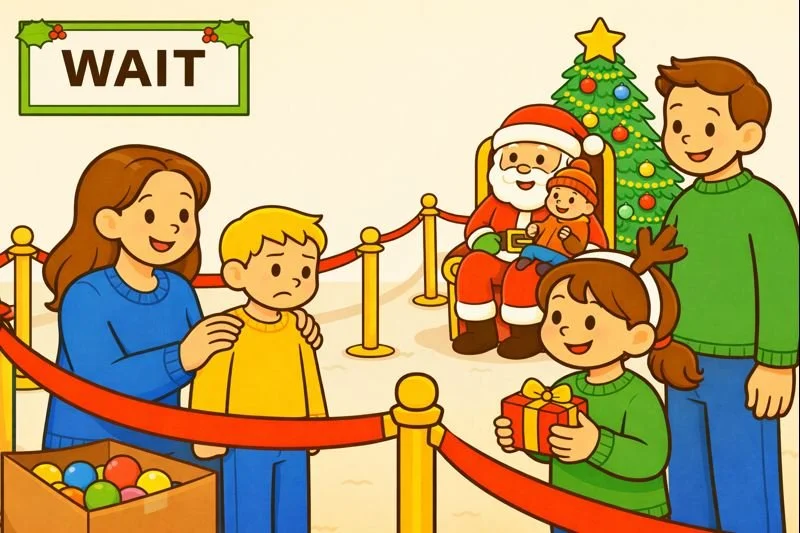
Watch for signs such as:
Increased irritability
Withdrawal or clinginess
Difficulty sleeping
When these appear, prioritize calm connection over packed plans.
Carrying the Value of Simplicity Beyond the Holidays
Over time, simplicity helps children develop:
Emotional resilience
Stronger family bonds
Appreciation for everyday moments
These values echo into How to Celebrate Small Wins Year-Round, helping kids find joy beyond special occasions.
This content is for educational purposes and is not a substitute for professional medical or psychological advice.