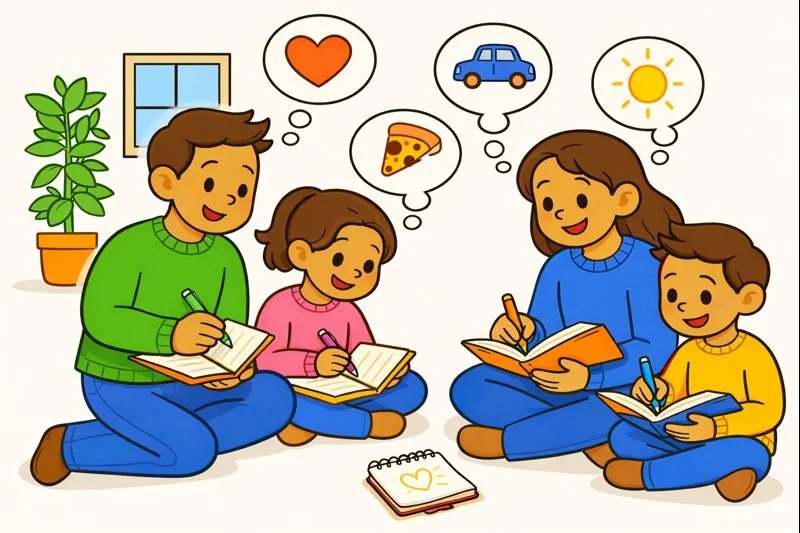
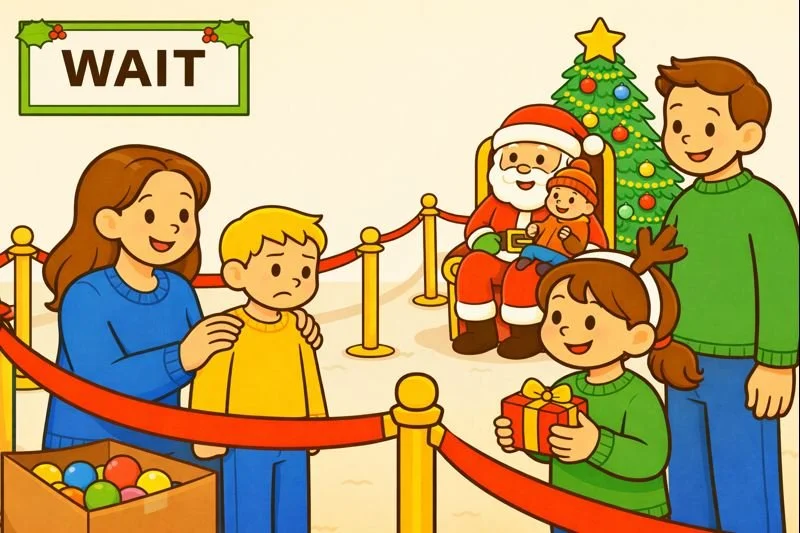
The Benefits of Slowing Down During Busy Seasons
The Benefits of Slowing Down During Busy Seasons
Why Slowing Down Matters Most When Life Speeds Up
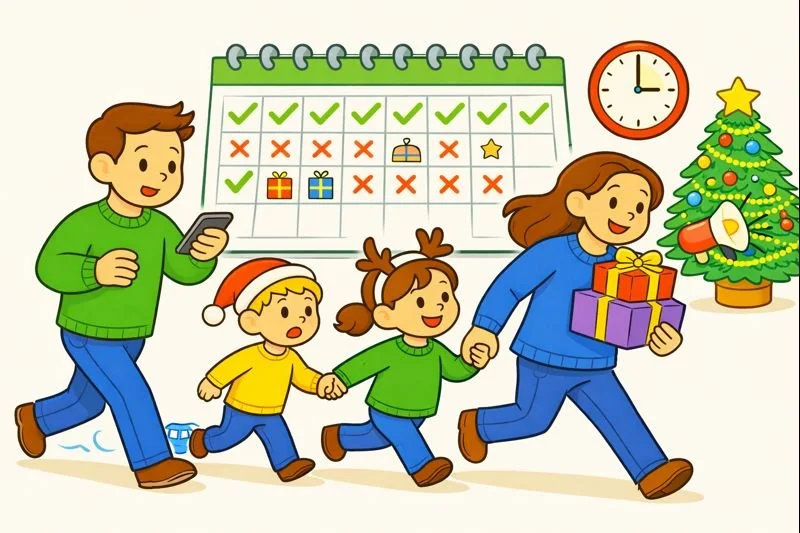
Busy seasons — holidays, school transitions, family events, work crunches — tend to sweep families into a fast, pressured rhythm. Routines get squeezed, patience gets thinner, and everyone feels the weight of moving from one task to the next. For young children especially, this constant acceleration can be overwhelming, leading to meltdowns, clinginess, or restlessness.
Slowing down isn’t about abandoning responsibilities. It’s about choosing moments of calm within the chaos. When families intentionally pause, even briefly, kids feel safer and more connected. These moments reset the emotional tone of the household and allow everyone to exhale. Over time, slowing down becomes a protective buffer that keeps busy seasons from becoming draining or stressful.


Understanding the Child’s Experience of “Busy”
Young children don’t have a sense of time the way adults do. They perceive “busy” not through schedules but through energy, noise, transitions, and emotional shifts around them. So when the calendar fills up, kids feel the intensity in their bodies long before they can articulate it.
Children also rely heavily on predictable rhythms, which means a busy season can feel disorienting. That's why grounding routines — similar to those described in Predictability in Behavior Management — help children cope when life speeds up. Slowing down provides emotional anchors that help kids regulate feelings and adjust more confidently to changing schedules.
Pausing during busy times allows kids to rest their senses, reconnect with you, and build resilience for the demands ahead.
How Slowing Down Supports Emotional Regulation
When children move too quickly from one activity to the next, their nervous systems don’t get time to reset. This makes big feelings harder to manage. Even simple slow-down moments — deep breaths, quiet play, sitting together for a few minutes — can lower stress responses.
Families who adopt slower rhythms often notice:
Fewer tantrums and power struggles
Softer transitions between activities
More emotional openness
Greater willingness to cooperate
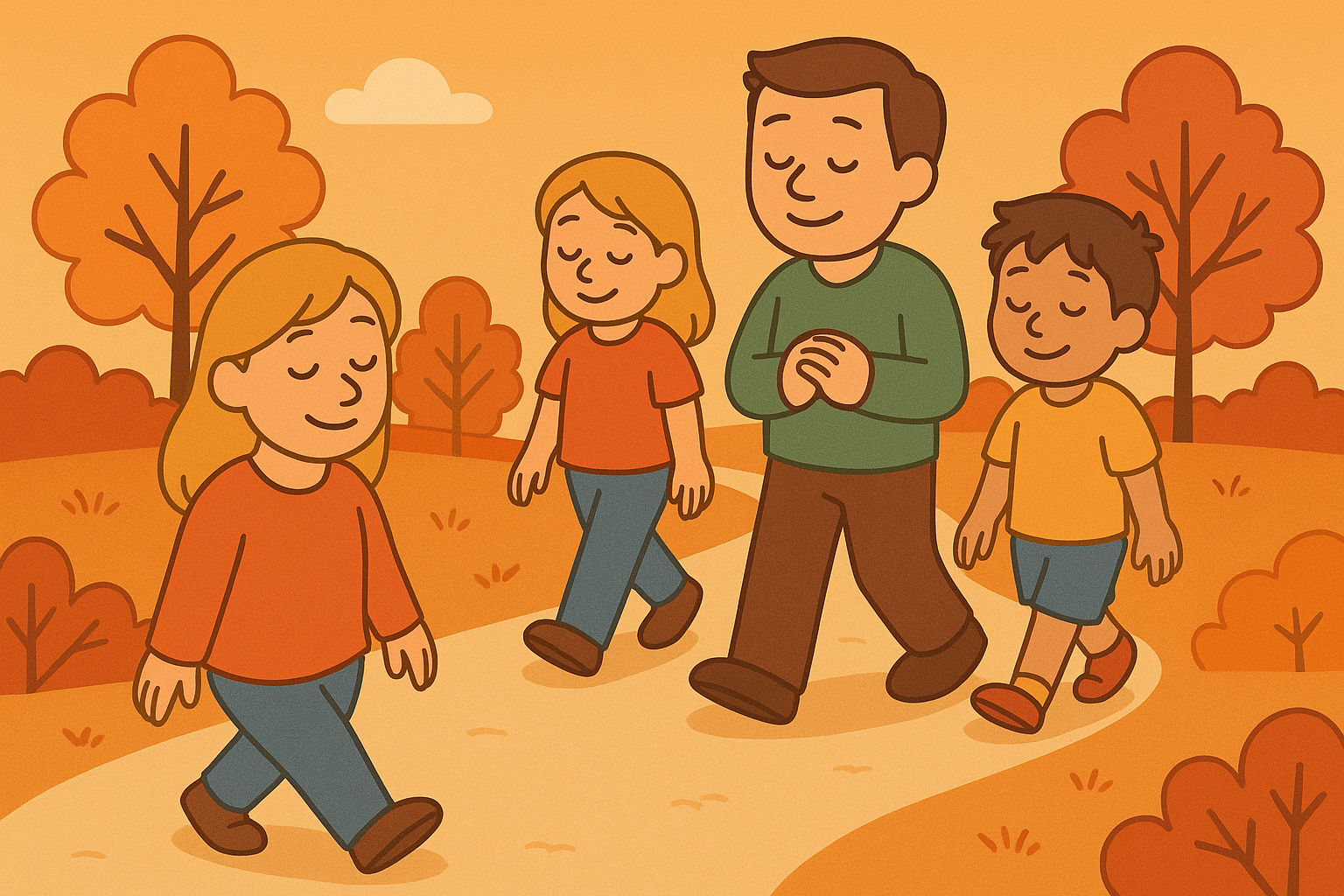
Slowing down doesn’t have to mean carving out hours. Often it’s a shift in pace or tone: walking instead of rushing, softening your voice, or offering an unhurried hug. These micro-moments of calm accumulate and create a soothing emotional environment.
Creating Space for Slower Family Moments
Busy seasons tend to pack the schedule, but small intentional choices can carve out space for rest. Instead of adding activities, families can shift how they move through the ones that already exist.
Try:
Leaving earlier so transitions feel peaceful
Building a 10-minute buffer between outings
Saying no to one optional commitment each week
Creating a “slow hour” at home with quiet play
Parents often feel pressure to make busy seasons magical or productive, but slowing down is often what kids value most. When children sense they have your attention — not rushed attention, but steady presence — they feel deeply cared for.
These slower moments echo the emotional tone created in routines like Creating a Cozy Family Mood Night in Winter, where pacing and atmosphere matter as much as the activity itself.
Teaching Kids to Recognize Their Own Need for Rest
Kids thrive when they learn to identify the signals their bodies send during busy stretches. Naming these cues helps build emotional awareness and lifelong self-regulation skills.
You might gently guide them to notice:
“Your body is moving really fast — does it need a little break?”
“You’re feeling squirmy. Should we sit for a cozy moment?”
“Your voice sounds frustrated — maybe we slow down together?”
The goal isn’t to force calmness but to help kids understand their own internal rhythms. Over time, they begin telling you when they need to slow down, which fosters independence, communication, and emotional trust.
Slowing the Pace Through Sensory Calming Moments
Children often react strongly to sensory overload during hectic times. Crowds, noise, bright lights, and numerous transitions can overwhelm their systems. Slowing down the environment helps balance their sensory experiences.
Simple sensory tools include:
Dimmed lighting
Soft music
Deep-pressure hugs
Warm baths
Quiet corners with pillows or books
Families who already enjoy mindful practices like gratitude walks — as described in Family Gratitude Walks and Reflections — can use similar principles here. Sensory calmness helps children feel grounded and ready to engage again.
Slowing down doesn’t eliminate stimulation; it simply gives kids space to process and recover.
Protecting the Heart of Family Traditions
Busy seasons often come with traditions and special events, but they lose meaning if the family is too rushed to enjoy them. Slowing down helps you focus on the memories that matter rather than the pressure to do everything perfectly.
Some families choose to:
Keep only the traditions that feel joyful
Simplify holiday gatherings
Spread out celebrations
Create smaller, more meaningful rituals
Kids remember connection far more than activity volume. Slowing down preserves the warmth, humor, and closeness that make seasonal traditions truly special. It shifts the focus from performance to presence.
Supporting Parents’ Well-Being During Busy Times
Parents often feel responsible for managing every detail of busy seasons. While kids express overwhelm outwardly, adults tend to internalize theirs — mentally juggling tasks, worrying about schedules, or absorbing everyone else’s emotions.
Slowing down benefits parents just as much as children. It creates room to:
Take a breath before reacting
Release unrealistic expectations
Share responsibilities
Find tiny moments of personal restoration
For some families, slowing down might mean preparing simpler meals, scaling back events, or carving out a quiet half hour after kids go to bed. A parent’s calm presence sets the emotional tone for the entire household.
This echoes principles found in supportive routines like Celebrating Birthdays Without the Stress, where parental well-being plays a central role in shaping the family experience.
Making Slow Moments Feel Special for Kids
Children love when families intentionally create small rituals that signal “we’re slowing down now.” These don’t need to be elaborate. Simple gestures can become treasured traditions.
Try:
A slow Sunday morning ritual
A family stretch or breathing moment
Reading together before busy outings
A “pause and cuddle” break on hectic days
Watching the sunset as a reset
These rituals feel grounding because they happen consistently, not because they take lots of time. They give kids predictable emotional anchors and strengthen their sense of belonging.
Creating Long-Term Habits of Slowness
Slowing down is easier to sustain when it becomes woven into daily rhythms — not just something you do when life gets overwhelming. Families can gradually build slow habits by:
Simplifying routines
Reducing overstimulation
Protecting downtime
Prioritizing presence over productivity
Busy seasons will always come and go, but having a baseline pace that feels gentle and intentional makes those seasons far more manageable. Kids raised in environments that honor slowness often develop deeper focus, steadier emotions, and stronger self-awareness.
The Lasting Impact of Slowness on Family Life
The benefits of slowing down ripple far beyond any single holiday, school milestone, or busy month. Kids absorb the emotional tone of their home, and when that tone includes intentional slowness, they learn:
How to handle stress with resilience
How to center themselves during overwhelm
How to value connection over rush
How to identify their emotional needs
For parents, slowing down transforms the busy seasons from something to “get through” into something to savor. Moments small and simple — a quiet morning, a slow walk, a shared breath — become the memories that define childhood.
Ultimately, the choice to slow down is an act of care: for your kids, your home, and yourself. Busy seasons might come with pressure and expectations, but slowness brings your family back to what matters most — presence, closeness, and deep connection.
This content is for educational purposes and is not a substitute for professional medical or psychological advice.