Family Gratitude Walks and Reflections
Family Gratitude Walks and Reflections
Why Gratitude Walks Make Family Life Feel Calmer
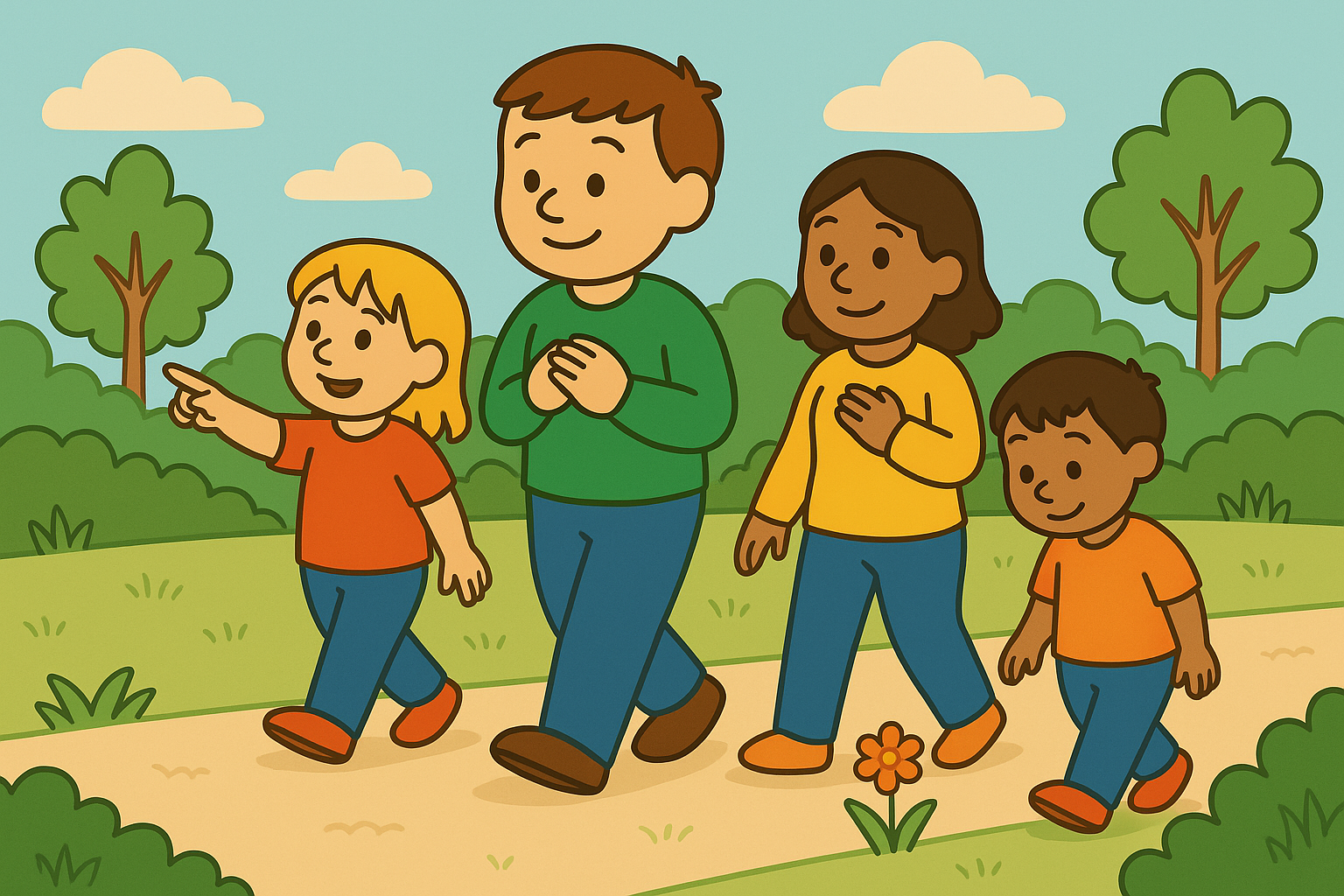
Families often look for simple ways to slow down, reconnect, and appreciate small daily moments. A gratitude walk gives kids and parents an easy ritual that encourages presence and emotional awareness. Whether it’s a stroll through the neighborhood, a loop around a park, or a wander through the backyard, these walks create space to breathe, talk, and enjoy each other’s company.
The goal isn’t to fill the walk with deep conversations — it’s simply to notice. Kids learn to observe their surroundings, tune into their senses, and practice pausing in a world that constantly rushes them forward. Over time, these walks become touchpoints that anchor your family in calmness and connection.


The Science of Gratitude (in Kid-Friendly Terms)
Gratitude shifts kids’ attention toward what’s going well, which supports emotional resilience and reduces stress. Young children in particular benefit from noticing positive things because it strengthens their ability to regulate emotions during challenges.
When kids walk outdoors, their senses are activated: they hear birds, feel the breeze, see trees, and spot tiny things like ants or cloud shapes. This kind of sensory focus helps them stay grounded instead of overwhelmed.
You can reinforce these concepts with other mindfulness-focused habits at home, like the gentle routines described in Predictability in Behavior Management, which help kids feel secure and emotionally steady throughout the day.
Choosing the Perfect Walk Setting for Your Family
There’s no “right” place to take a gratitude walk. The setting should be familiar enough that kids feel comfortable but interesting enough to spark curiosity.
A neighborhood sidewalk can be just as meaningful as a forest trail. Many families naturally gravitate toward places that hold positive associations: a playground where kids learned to climb, a path near water, or even a favorite dog-walking route.
If you have different ages of children, try choosing a loop that allows for both wandering and small stops. Some kids like to walk quickly; others prefer to linger. A predictable route also helps little ones stay relaxed, especially if they’ve benefited from structured experiences like Creating a Cozy Family Mood Night in Winter, where comfort comes from repeated family rituals.
Preparing Kids for a Gratitude Walk in a Fun, Gentle Way
Introducing gratitude walks doesn’t have to feel formal. A simple statement such as, “Let’s go on a gratitude walk and look for things that make us feel happy or peaceful,” sets the tone without pressure.
Kids enjoy having themes or mini-challenges. You can invite them to look for:
Something that makes you smile
Something tiny people usually miss
Something colorful
Something that moves
Themes help kids look closer, increasing their awareness and observation skills. For anxious or energetic children, themes can make the walk feel more like a scavenger hunt and less like a reflective exercise.
Try to keep the atmosphere light and playful. Let kids carry a tiny notebook, take photos, or collect small treasures like leaves or pebbles. The ritual should feel like exploration, not a lesson.
Anchoring the Walk With Sensory Check-Ins
Sensory check-ins help keep kids focused and grounded as they walk. They also add a calming rhythm to the experience. You might pause and ask:
“What do you hear right now?”
“What colors can you find around us?”
“How does the air feel on your skin?”
“Do you notice any interesting smells?”
This kind of sensory engagement is deeply regulating for young children. It mirrors other early-learning moments that strengthen attention and observation — the same kinds of skill-building that show up in activities like those in Helping Kids Learn Accountability Without Shame, where children practice naming feelings and experiences in manageable ways.
By weaving sensory conversations into the walk, kids become more attuned to their bodies and surroundings, building natural mindfulness skills.
Guiding Kids to Name What They’re Grateful For
As the walk unfolds, you can gently invite kids to share things they appreciate. Try prompts like:
“What’s something around us that you really like?”
“Did anything today make you feel proud or happy?”
“What’s something you’re glad we get to experience together?”
Children often surprise parents with what they choose: cracked sidewalks, blooming flowers, construction trucks, silly shadows, or warm sunshine. Their gratitude may seem simple, but these moments train the brain to notice joy.
Modeling gratitude yourself makes a big difference. Hearing parents say, “I’m grateful for this quiet time with you,” or “I feel thankful for the fresh air,” shows kids what appreciation sounds like in real life.
Adding Calm Moments for Reflection During the Walk
One of the most powerful elements of a gratitude walk is the gentle rhythm of movement punctuated by small pauses. You might stop under a tree, sit on a bench, or linger near a familiar landmark.
During these slow moments, kids naturally relax. Their breathing slows, their voices soften, and their attention sharpens. You can use this space to reflect:
“This is a peaceful spot. I’m grateful we get to be here together.”
Or,
“I love hearing your thoughts. You notice such special things.”
Families who already enjoy rituals like Celebrating Birthdays Without the Stress may find that gratitude walks tap into similar emotional benefits — the power of slowing down and being intentional.
Turning Reflection Into Meaningful Conversation Back Home
When the walk ends, many families like to continue the ritual at home. This helps anchor gratitude as an ongoing practice rather than something limited to the walk itself.
You can invite kids to:
Draw something they were grateful for
Add a note to a family gratitude jar
Snap a photo and put it on a “gratitude board”
Share one highlight from the walk during dinner
These follow-up practices help kids transition from the physical experience to emotional reflection. They also serve as beautiful keepsakes — a growing collection of small reminders of things your family appreciates.
Encouraging conversation after the walk strengthens emotional vocabulary and deepens the bond between family members.
Troubleshooting Common Challenges
Not every gratitude walk will be smooth — and that’s okay. Some days kids may feel tired, distracted, or uninterested. The key is flexibility and compassion.
If children resist participating, try:
Shorter walks
A new theme
Letting them guide the route
Adding a playful element like taking “gratitude photos”
Going at a different time of day (morning vs. evening)
Avoid forcing gratitude statements. Kids will build the habit over time, especially if they see it modeled consistently. Even if a walk feels chaotic, the repetition still benefits kids emotionally and mentally.
Making Gratitude Walks a Long-Term Family Tradition
Habits grow stronger the more they’re practiced. Gratitude walks can evolve with your family through the seasons and stages of childhood. Younger children may focus on sensory details, while older kids may reflect on friendships, accomplishments, or challenges.
Try adjusting your gratitude themes with the seasons:
Winter: lights, warmth, cozy moments
Spring: new growth, colors, sounds
Summer: movement, sunshine, water
Fall: texture, change, tradition
Let kids help shape the ritual as they grow. When children have ownership, they stay engaged and internalize the practice more deeply.
The Lasting Impact of a Simple Gratitude Walk
In the long run, gratitude walks aren’t just about noticing things outside — they’re about strengthening what’s inside. Kids learn to appreciate simple joys, manage their emotions, and build resilience through reflection and presence.
Families who walk together often find themselves talking more, laughing more, and feeling more connected. These small rituals create emotional anchors that help children thrive during tougher moments, too.
Over time, gratitude walks become treasured memories — a series of gentle steps that help your family grow closer, kinder, and more grounded.
This content is for educational purposes and is not a substitute for professional medical or psychological advice.