The Role of Holidays in Building Family Identity
The Role of Holidays in Building Family Identity
Why Holidays Shape Who We Are as a Family
Holidays are more than events on a calendar—they are emotional touchpoints that help children understand belonging, tradition, and togetherness. Even simple holidays or seasonal rituals can anchor a child’s sense of identity. They help kids feel part of something bigger and more stable than themselves. Through repeated moments of connection, families create memories that slowly weave into the story of who they are.
For young children especially, predictability within holidays—whether big or small—gives them something to look forward to and something to hold onto. These repeated rhythms send a powerful message: “This is what our family values. This is how we show love. This is who we are together.”


Rituals Give Meaning to Time
Children understand time emotionally, not logically. Holidays offer rhythm and repetition, helping kids make sense of the year in cycles rather than days. A special breakfast, a seasonal walk, a family song, or a craft tradition becomes a marker in a child’s memory.
These rituals do not have to be elaborate to be meaningful. A simple candle lit at dinner, a shared story, or a special greeting can become a beloved part of a child’s inner landscape.
Traditions Create a Sense of Belonging
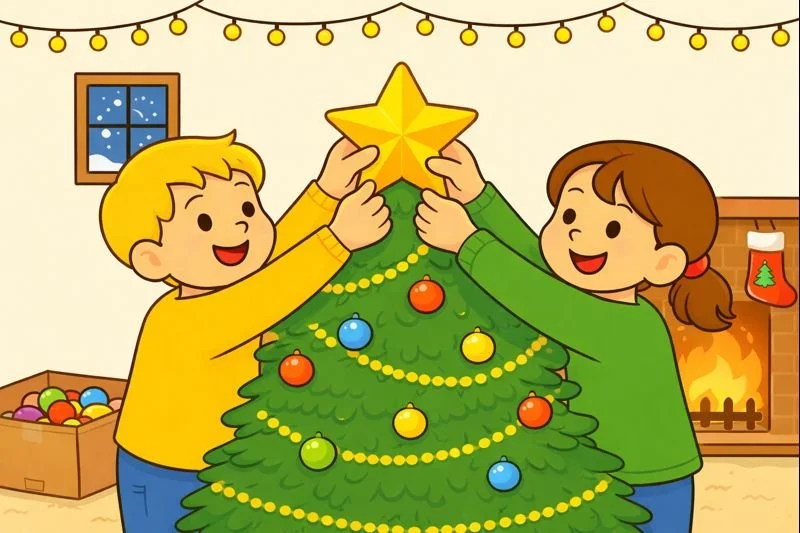
When families repeat certain customs—decorating cookies, walking the neighborhood lights, storytelling around the table—children internalize the feeling of belonging. They learn that holidays are not about perfection but connection.
Traditions can be passed down from generations or created anew. What matters is the sense of identity they strengthen: “In our family, we…”
This phrase becomes both grounding and empowering for children as they grow.
The Emotional Anchoring Holidays Provide
Holidays remind children that the world is safe and that togetherness matters. They offer:
Gentleness during stressful seasons
Comfort during transitions
Joy after difficult periods
Meaning when the year feels long
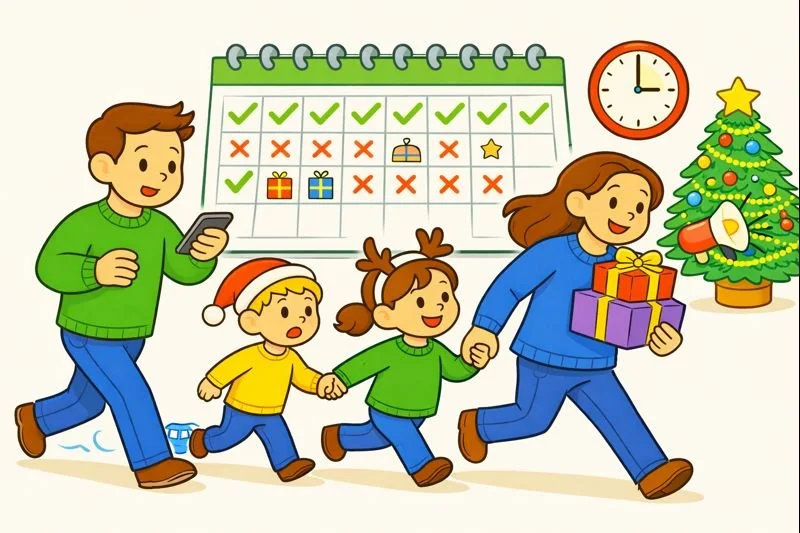
These emotional anchors play a similar role to the grounding techniques seen in How to Avoid Holiday Burnout as a Family, where consistency helps children navigate overwhelm with more resilience.
Holidays as Opportunities for Storytelling
Children learn who they are through the stories families tell. Holidays naturally invite storytelling:
“When you were little, we used to…”
“Your grandparents always…”
“This reminds me of…”
Storytelling connects children to the past, giving them a sense of continuity and cultural identity. Whether the story is about heritage, family humor, or meaningful events, it weaves belonging into the holiday experience.
Stories can also be playful and imaginative, like seasonal puppet tales described in DIY Seasonal Puppet Theater Themes, which help kids see traditions through creativity.
Creating Traditions That Fit Your Family
Not every family celebrates in the same way. And that’s a strength. The best traditions are:
Manageable
Enjoyable
Repeatable
Flexible
Meaningful
Ask yourself:
What makes us feel close?
What activities calm us?
What brings laughter?
What do our kids look forward to?
Traditions should support the well-being of the family—not drain it.
Including Children in Decision-Making
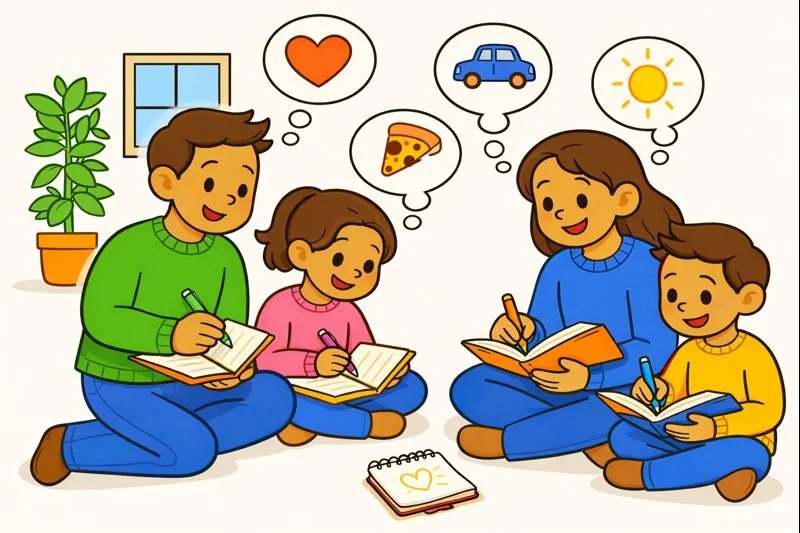
Kids feel proud when they help create or shape holiday traditions. Try inviting them to choose:
A special holiday breakfast
A craft for the season
A kindness activity
A movie or book for the evening
A decoration theme
This inclusion builds autonomy and emotional investment, much like the collaborative approach used in Family Resolutions: Setting Simple, Meaningful Goals Together.
Balancing Tradition With Flexibility
Every year is different. Children grow, circumstances shift, and families experience change. That means traditions must evolve too.
Flexibility does not weaken a tradition—it keeps it alive. Families can scale up or down, adapt timing, or choose the traditions that feel right each year. This adaptability teaches children that traditions are not rules—they are expressions of love.
Small Rituals Build the Strongest Identity
A family identity is not built from the grand moments but the repeated soft ones:
The song you always play
The way you greet each other
A favorite recipe
A walk you take every year
The way you say goodbye to the season
These quiet rituals become emotional anchors, more memorable than flashy celebrations. They form the foundation of a child’s lifelong sense of “home.”
Holidays Help Children Understand Values
When families celebrate holidays with intention, children learn:
What their caregivers value
What kindness looks like
How to share and give
How to rest and reflect
How to celebrate differences
Whether through service, gratitude, storytelling, creativity, or connection, holidays become a practical language of values.
The Lasting Gift: A Family Story That Feels Like Home
In the end, holidays are not about decorations or schedules—they are about belonging. They help children feel rooted, cherished, and connected to a loving narrative that continues year after year. These patterns become the threads that bind a family identity, shaping how children see themselves and how they understand their place in the world.
This content is for educational purposes and is not a substitute for professional medical or psychological advice.