How to Avoid Holiday Burnout as a Family
How to Avoid Holiday Burnout as a Family
When Joy Turns Into Overload
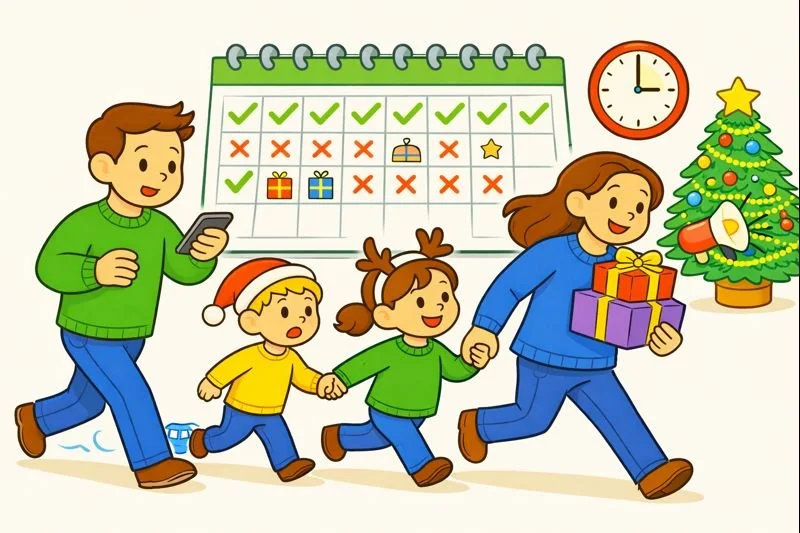
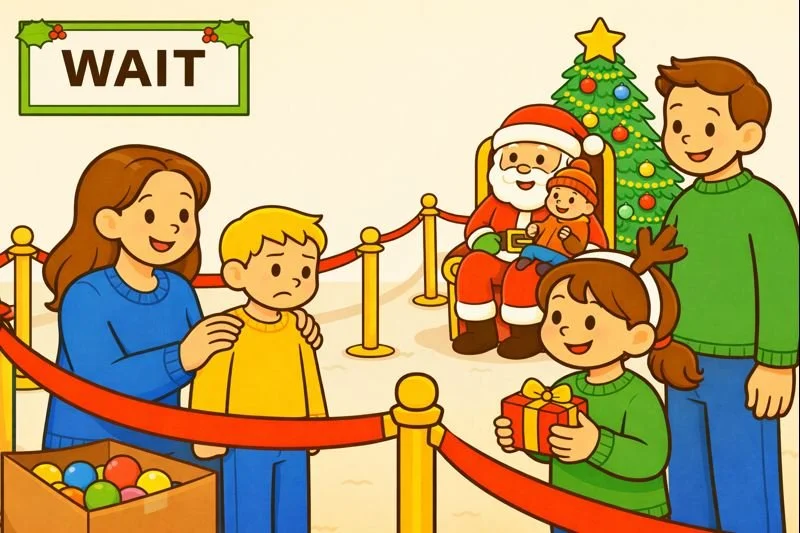
The holiday season is meant to feel festive—but for many young children (and parents), the excitement can slowly turn into overwhelm. Busy schedules, noisy events, travel plans, and expectations can make even joyful moments feel exhausting. Holiday burnout isn’t just about physical tiredness—it’s emotional overload.
Children often show signs first: clinginess, irritability, tears, or sudden resistance to plans. Families need strategies that protect both energy and connection, so the season stays joyful instead of stressful.


Recognizing Early Signs of Burnout
Children may not have the language to say “I feel overwhelmed,” but their bodies will show clues. Look for:
Shorter attention spans
More tantrums or sibling conflict
Disrupted sleep
Less interest in favorite activities
Wanting to stay home more
Frequent “no” responses
These aren’t bad behaviors—they’re signals. Children are telling us they need breathing room.
Protecting the Rhythm of Daily Life
Even during the holidays, kids thrive on rhythm and predictability. Try to keep familiar routines in place:
Regular bedtime windows
Familiar morning rituals
Consistent snack + mealtimes
Daily movement or outdoor breaks
A quiet moment before bedtime
These grounding routines are similar to those explored in How to Handle Holiday Overstimulation in Young Kids, reminding children that safety still exists during busy times.
Creating a “Slow Zone” in Your Home
When things get loud or busy, your home can offer gentle refuge. Create a cozy corner with:
Soft pillows and blankets
Books or picture cards
Noise-canceling headphones
A dim lamp or string lights
A calm box with sensory tools (putty, fidgets, feathers)
Let kids know: “You can always go here if you need a break.” This empowers them to regulate their emotions—without shame.
Using Language That Lowers Pressure
How we talk about plans matters. Instead of “We have to go here,” try:
“Would this be fun today?”
“Let’s check how our bodies feel.”
“We can change plans if we need to.”
“Our home is always a safe place to rest.”
Children relax when they know choices exist. Flexibility builds trust during a season that often feels overbooked.
Choosing Joy Over Obligation
Not every holiday activity needs to be checked off. Families can ask:
Does this activity bring peace—or pressure?
Do we feel more connected—or more stressed?
Could we shorten or simplify this?
What happens if we say no?
What if we create our own traditions instead?
You don’t have to do everything to make memories. Sometimes the quietest traditions become the most meaningful—just like cozy rituals found in Cozy Winter Reading Nooks for Family Storytime.
Teaching Kids How to Listen to Their Bodies
Help children notice burnout signals with gentle prompts:
“Does your body feel tired or full of energy?”
“Would your brain like quiet time?”
“Are we feeling peaceful—or full?”
“What helps you recharge?”
Let them choose from a list of soothing activities. Self-awareness is a lifelong skill, especially when stress appears.
Micro-Moments of Rest Throughout the Day
Families can avoid burnout by inserting tiny pauses into holiday plans:
Five-minute dance breaks
Slow breathing before leaving home
Hot cocoa “reset time”
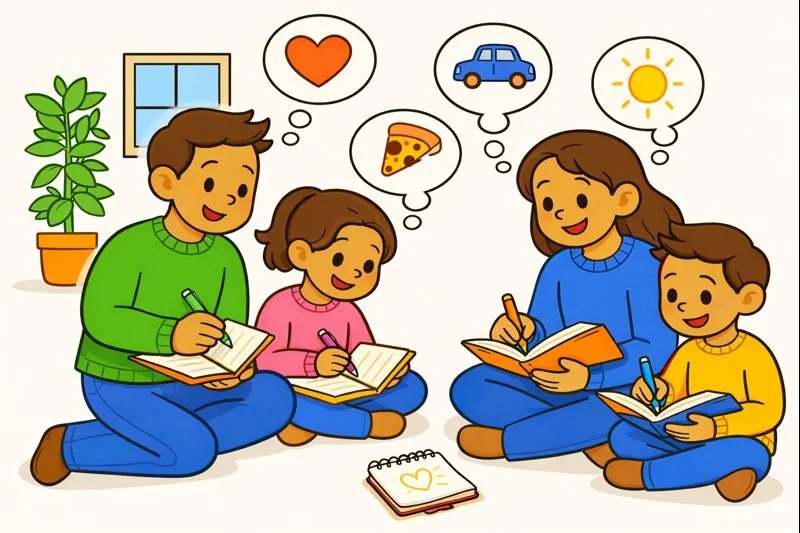
Drawing or journaling before bed
A short walk after dinner
Naming good moments from the day
These small pauses keep joy sustainable—similar to the resilience strategies seen in Family Resolutions: Setting Simple, Meaningful Goals Together.
Honoring Emotional Limits With Compassion
There may still be meltdowns—and that’s okay. When emotions run high:
Move to a quiet spot
Offer closeness without demand
Use comforting touch or soft voice tones
Skip explanations until after the moment has passed
Give time for emotional recovery
Children don’t need perfection—they need presence.
Saying Yes to Rest
Sometimes the bravest holiday choice is rest. You can skip events, shorten plans, or watch movies in pajamas. Family well-being matters more than any schedule. A holiday doesn't need to be packed to be memorable—just shared with care.
Teach kids that rest is not failure—it’s wisdom.
A Season That Feels Gentle and Real
Avoiding holiday burnout isn’t about missing out—it’s about showing up more fully for the moments that matter. When families choose connection over pressure, holidays become peaceful instead of busy… meaningful instead of rushed.
Children don’t remember everything they did — they remember how they felt.
Let this be the season they felt safe, loved, rested, and deeply connected to the people who matter most.
This content is for educational purposes and is not a substitute for professional medical or psychological advice.