Using Puppets to Teach Seasonal Change
Using Puppets to Teach Seasonal Change
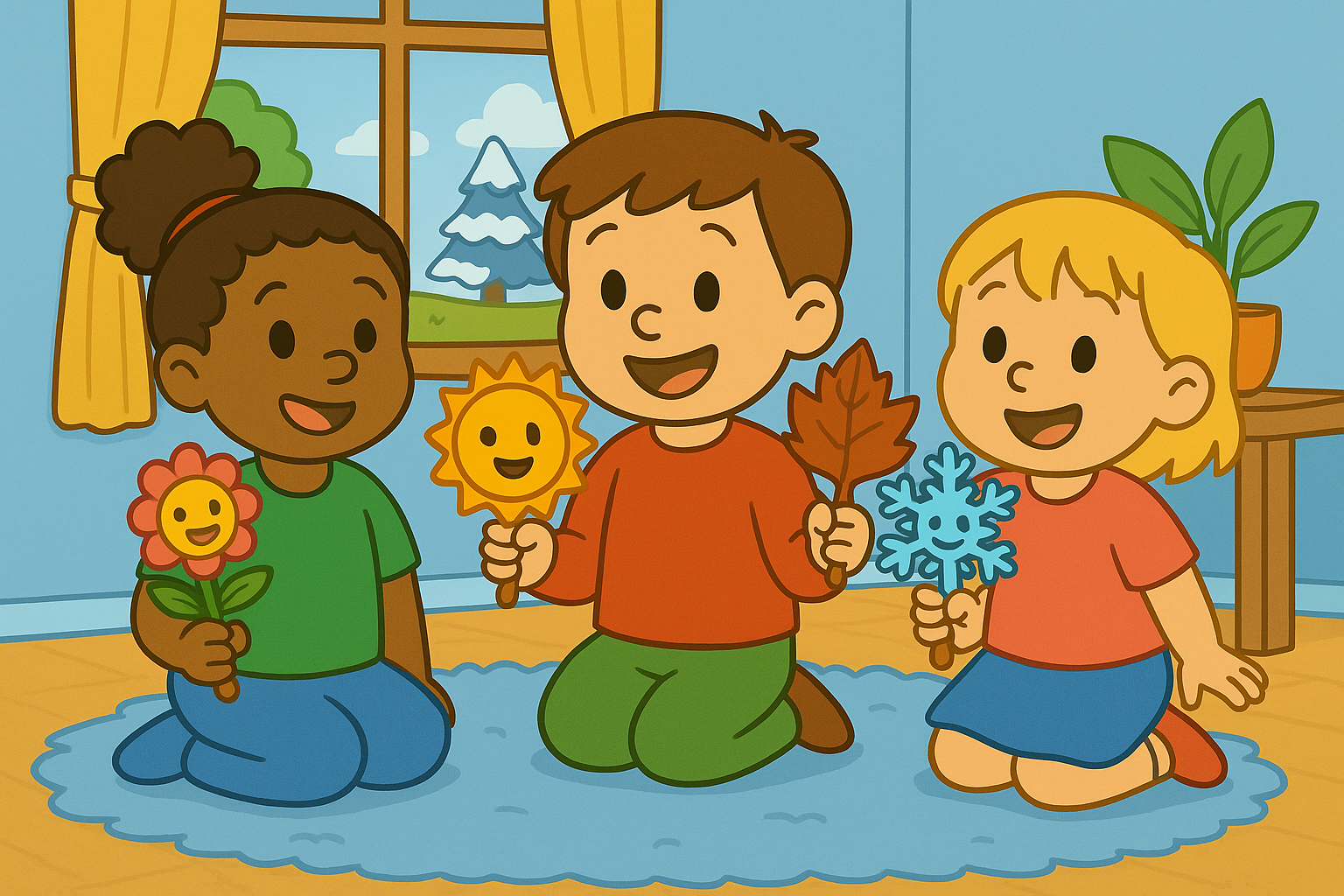
Why Puppets Make Seasonal Learning Come Alive
Young children understand the world best through stories, characters, and play. Puppets combine all three. When a puppet reacts to spring rain, grows nervous about fall winds, or wonders what happens to animals in winter, children instantly connect emotionally. Puppets give voice to curiosity, worry, excitement, and wonder—the exact feelings kids experience as seasons shift.
Teaching seasonal change isn’t about memorizing facts. It’s about helping children feel safe and grounded in transitions. Puppets offer a gentle way to explore change because characters can ask questions kids might not know how to express. And when the puppet receives comfort and answers, children internalize them too.


Introducing the Puppet Characters
Choose one or two puppets to serve as your “season guides.” They can be:
A curious bunny
A thoughtful owl
A friendly squirrel
A playful fox
A shy turtle
What matters most is consistency. Children bond quickly with recurring characters, especially when those characters express relatable feelings. This mirrors the emotional connection kids build with recurring characters in DIY Seasonal Puppet Theater Themes.
Give each puppet a personality:
The bunny might get excited easily
The owl might ask big questions
The squirrel might prepare too much
The turtle might feel unsure about changes
These personalities help children project and explore their own emotions.
Spring: Teaching Growth, Curiosity & New Beginnings
Puppet scripts for spring might explore:
Why flowers appear
How animals wake up from hibernation
What happens during rainstorms
How plants grow over time
Try a simple story:
The puppet discovers a tiny seed and wonders what it can become. Children help “teach” the puppet how seeds need soil, water, and sun. Kids can act out growing like flowers, or pretend to be raindrops helping the seed.
Spring lessons pair beautifully with themes in Helping Kids Understand Seasons Through Play, where growth and curiosity take center stage.
Summer: Teaching Exploration, Energy & Sunshine
Puppets can express excitement about:
Longer days
Warm weather
Outdoor play
Bugs, water, mud, and shadows
Act out a scene where the puppet wants to explore outside but feels nervous about something new—like touching sand or hearing buzzing bees. Children can soothe the puppet, offer ideas, or pretend to guide it safely.
Summer puppet stories help children understand healthy risk-taking, adventure, and sensory play.
Fall: Teaching Change, Letting Go & Reflection
Fall is the season kids often relate to emotionally, because so much shifts at once—leaves, routines, weather, and family rhythms.
Use a puppet worried about:
Leaves falling
Darker evenings
Windy weather
Animals gathering food
A simple story might show the puppet trying to “save” all the leaves. Through gentle conversation, kids help the puppet understand that change is natural and beautiful.
These fall themes echo the emotional grounding found in Fall Nature Walks: Teaching Change Through Seasons, where letting go becomes a soft invitation rather than fear.
Winter: Teaching Rest, Warmth & Resilience
Winter puppet stories can explore:
Why it gets cold
Where animals go
What snow is
How families stay warm
Why days are shorter
Have the puppet ask big questions:
“Does winter last forever?”
“Where did the sun go?”
“Why do I feel so sleepy?”
Children can reassure the puppet, show ways to stay cozy, or lead a pretend “hibernation.” These moments connect deeply with lessons from How to Avoid Holiday Burnout as a Family, where rest becomes essential and comforting.
Using Simple Props to Show Seasonal Change
Props help puppets visualize what’s happening. Try:
Felt leaves (green, red, yellow, brown)
Tissue paper snow
Blue fabric for water
Cardboard suns and moons
Acorns, pinecones, shells
A small stuffed animal for hibernation stories
Let the puppet interact with the props—sniffing flowers, hiding in snow, or riding the “wind.” This creates deeper sensory learning.
Encouraging Kids to Direct the Stories
Children are natural storytellers. Give them the lead:
“Can you show the puppet what happens next?”
“Should the puppet be brave now or wait?”
“What does the puppet need to understand?”
“How can we help the puppet feel safe?”
When kids direct a puppet, they also direct their own emotional understanding. They become the caretakers, helpers, and teachers.
Helping the Puppet Express Emotions
Seasonal change brings emotional change. Puppets can say:
“I feel confused.”
“I’m excited!”
“This is too much.”
“I’m tired today.”
“I don’t want things to change.”
These statements give children the language they may not yet have. The puppet becomes the emotional translator.
Seasonal Movement Play With Puppets
Use puppets in movement invitations:
Spring: grow tall, wiggle like worms
Summer: pretend splashing, running, buzzing
Fall: float like leaves, swoosh with wind
Winter: tiptoe in snow, curl into hibernation
Movement helps kids connect seasons to their bodies and internal rhythms.
Reflecting on the Puppet’s Journey
After each story, ask:
“What did the puppet learn today?”
“How did you help the puppet?”
“What will the puppet remember next season?”
“What was your favorite part?”
These reflections turn story moments into emotional development.
This content is for educational purposes and is not a substitute for professional medical or psychological advice.