Family Resolutions: Setting Simple, Meaningful Goals Together
Family Resolutions: Setting Simple, Meaningful Goals Together
Why Family Resolutions Work Better Than Individual Ones
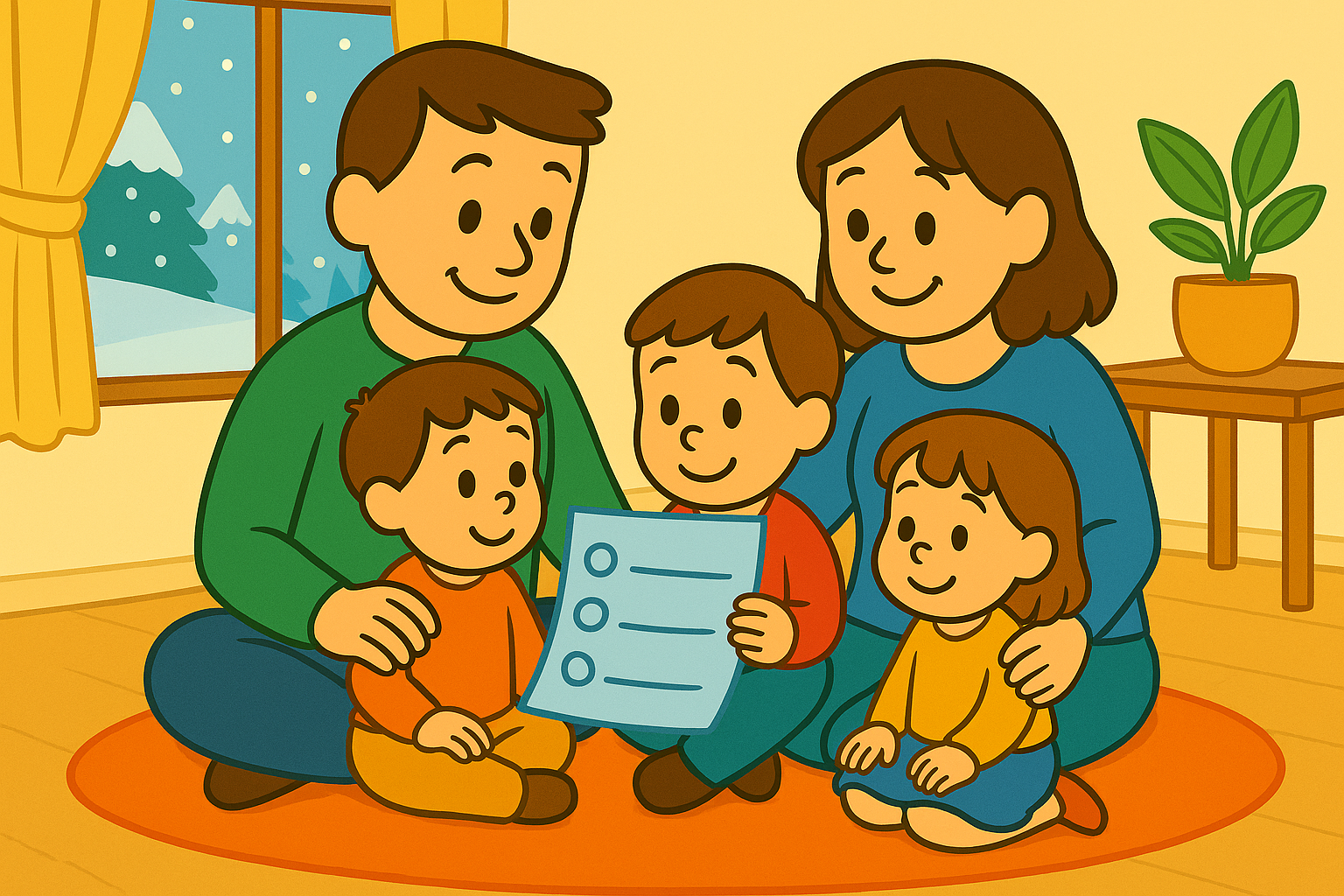
Resolutions don’t have to feel overwhelming or pressure-filled. Instead of focusing on “fixing” something, families can use resolutions to build connection, develop helpful rhythms, and create shared purpose. When goals are gentle and meaningful, children begin to see that improvement isn’t about perfection—it’s about growing together.
Kids benefit most when resolutions are made as a family. This removes pressure and replaces it with encouragement. Resolutions become an adventure, not a task. They teach children that goals work best when people support each other—and that small steps can lead to meaningful change.


Setting the Tone: Calm and Curious
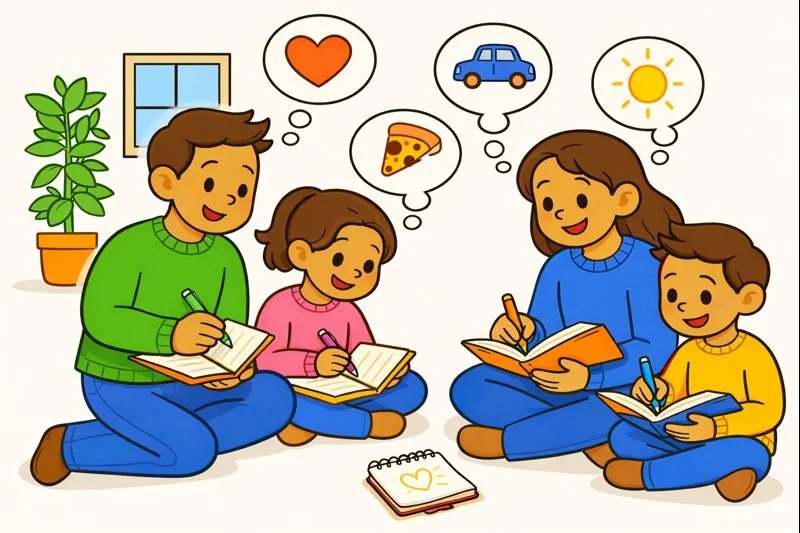
Before choosing any goals, set up a cozy space for reflection:
Soft music or calming lighting
Blankets, pillows, or a circle on the floor
Paper and crayons or markers for ideas
Optional: a feelings chart or emotion cards
A family “talking stick” or puppet to take turns speaking
Starting with calm helps children participate without anxiety. It also makes the conversation feel like celebration, not pressure—similar to the atmosphere in Easy Family Crafts for New Year’s Eve Reflection.
The Power of Simple First
When resolutions are small and reachable, children feel confident instead of overwhelmed. Try starting with these framing ideas:
“What do we want to do more of this year?”
“What would help our mornings feel smoother?”
“What would bring more peace to our home?”
“Is there something we’d like to try as a team?”
“What could make family time feel extra special?”
Kids often surprise parents with thoughtful answers when the pressure is low and curiosity is high.
Turning ideas into “Family Hopes”
Instead of traditional resolutions, rename them as Family Hopes. You can write or draw them on sticky notes or create a shared poster:
“Listen more closely to each other”
“Add one family reading night per week”
“Try more outdoor adventures”
“Take turns choosing dinner themes”
“Practice asking for help when needed”
Concepts like these reflect the rhythm-based approach found in Turning Every Season Into a Learning Opportunity, where change happens gently, at a natural pace.
Giving Each Goal a Purpose
Kids connect better to resolutions when they understand why they exist. For each goal, explore:
“What do we hope this helps us with?”
“Who might benefit from this goal?”
“How will we know if it’s working?”
“Which feelings are we protecting or encouraging?”
Breaking down intention teaches children emotional awareness—and gives goals long-lasting purpose.
Resolutions Through Play
Practice can be playful and lighthearted:
Make puppets act out goal scenarios
Build hope-themed sensory bins using colors and symbols
Create role-play situations with toys (“What would the teamwork puppet do?”)
Draw “comics” with characters solving family problems together
Puppet storytelling strategies from Puppet Storytime: Tales of Generosity and Giving tie beautifully into this method.
Tracking Progress Gently
Resolutions don’t need charts or rules. Instead, try:
A simple “Did we notice this today?” question at dinner
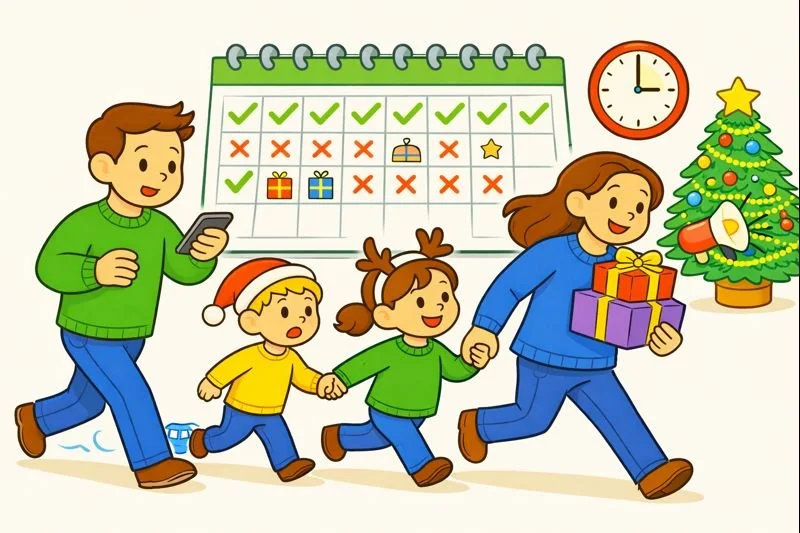
Star stickers on a weekly family calendar
A “Hope Jar” filled with small successes
Voice notes or photos documenting fun moments
The key is positive reinforcement, not correction.
When Goals Don’t Go as Planned
Children (and adults) will sometimes forget goals or resist change. That doesn’t mean the goal failed—it simply means everyone is still learning. Try:
“Let’s rethink this together.”
“Maybe this goal needs a rest.”
“Was this hope too big? Can we make it smaller?”
“What might be a gentler version of this?”
Growth is not linear. Children flourish when they learn that adjusting goals is just part of the process—much like the gentle repair strategies used in Helping Kids Handle Gift Disappointment Gracefully.
Celebrating Small Wins
Whenever you notice a step toward a goal, pause and celebrate:
“Did you feel the teamwork just now?”
“I noticed you tried something new.”
“That was brave of you—thank you.”
“I think that felt good for our family.”
These acknowledgments build confidence and emotional security—not just progress.
Creating a Ritual Around Reflection
Set a rhythm for revisiting family hopes:
Monthly “check-in nights”
A shared puzzle activity followed by reflection
A cozy storytelling session about successes
A family art piece that grows throughout the year
This helps goals stay connected to everyday life—and teaches kids that long-term commitment is built step by step.
Growing as a Family, Not Just Individuals
Family resolutions can become more than goals—they can become legacy. When children see caregivers actively growing alongside them, they learn that change is safe, normal, and shared. They understand that life doesn’t demand perfection—it invites participation.
Resolutions made in togetherness remind children: We don’t have to face challenges alone. We grow better—together.
This content is for educational purposes and is not a substitute for professional medical or psychological advice.