Building Healthy Tech Boundaries for Parents
Building Healthy Tech Boundaries for Parents
Why Parent Tech Habits Matter More Than We Realize
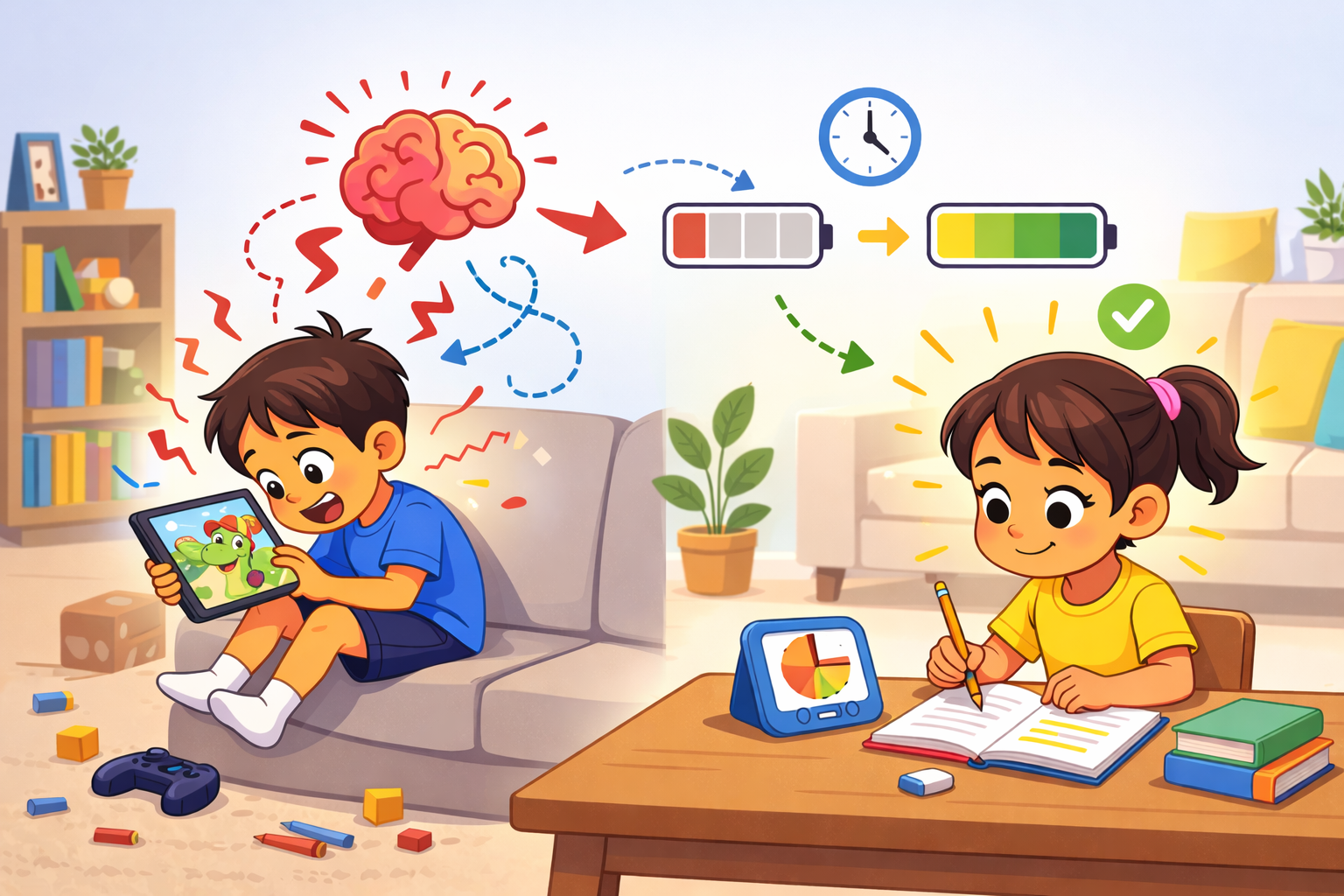
When families talk about technology boundaries, the focus often lands squarely on kids. But children don’t learn tech habits from rules alone — they learn them by watching the adults around them. Phones on the table, emails during playtime, scrolling before bed — all of these moments quietly shape what children come to see as “normal.”
Building healthy tech boundaries for parents isn’t about perfection or cutting devices out completely. It’s about awareness. When adults become more intentional with their own tech use, family media habits often improve naturally, without constant correction or conflict.
Parent boundaries set the tone. They signal whether technology is a tool, a background presence, or a constant interruption.


Moving Beyond Guilt and Toward Intention
Many parents carry guilt about their screen use — especially when they feel stretched thin or overwhelmed. Guilt, however, rarely leads to sustainable change. Intention does.
Healthy tech boundaries begin by:
Noticing when and why you reach for your device
Identifying moments when tech helps versus distracts
Letting go of all-or-nothing thinking
When parents shift from “I shouldn’t be on my phone” to “Is this the right moment for this?”, boundaries become thoughtful rather than reactive.
Identifying Your Personal Tech Triggers
Every parent has specific moments when tech use spikes. Recognizing these patterns is a powerful first step toward change.
Common parent tech triggers include:
Fatigue at the end of the day
Stress during transitions
Boredom during repetitive routines
Work notifications bleeding into family time
Once triggers are identified, parents can plan alternatives — or at least make conscious choices instead of automatic ones.
Setting Boundaries That Protect Connection
The most meaningful tech boundaries aren’t about reducing screen time numbers — they’re about protecting connection. Children feel the difference immediately when attention is fully present.
Many parents choose to protect:
Meals as device-free time
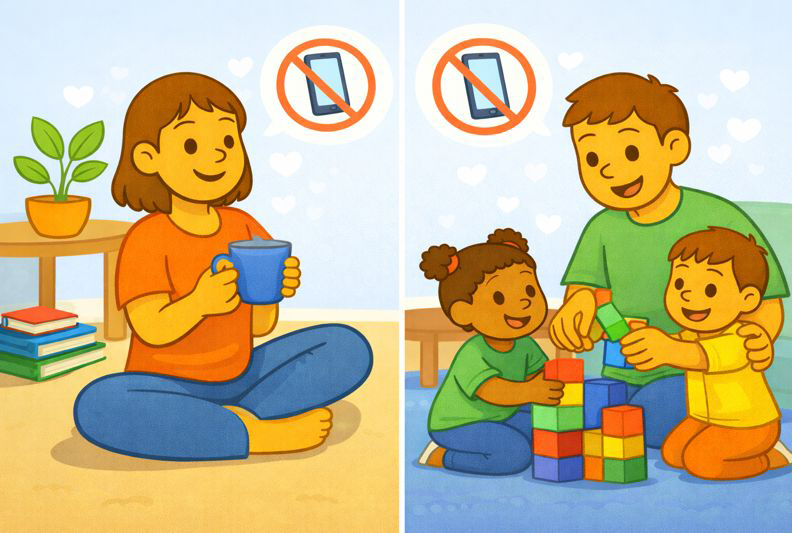
Playtime as phone-down time
Conversations without interruptions
Bedtime routines without screens
Creating Physical Boundaries Around Devices
Physical environment shapes habits more than willpower alone. Where devices live often determines how often they’re used.
Helpful physical boundaries include:
Charging phones outside bedrooms
Keeping devices off kitchen counters
Using designated work zones
Leaving phones out of reach during play
These strategies support consistency without constant self-reminding and pair well with Creating Screen-Free Zones at Home, where space does the work of enforcement.
Modeling the Boundaries You Want Kids to Learn
Children notice patterns long before they understand explanations. When parents model balanced tech use, kids absorb those habits naturally.
Modeling might include:
Naming when you’re choosing not to check your phone
Explaining why you’re setting it aside
Showing that messages can wait
Demonstrating tech-free rest
This kind of modeling reinforces ideas in Digital Role Modeling: How Your Own Habits Shape Theirs, where everyday actions teach more than lectures ever could.
Setting Work–Home Tech Boundaries
For many parents, work-related tech use is unavoidable. The challenge lies in preventing it from overtaking family life.
Helpful strategies include:
Setting clear work hours when possible
Turning off non-urgent notifications
Creating rituals to “close” the workday
Communicating availability clearly
These boundaries don’t require eliminating work tech — they require containing it so family time remains intact.
Supporting Emotional Regulation Without Screens
Parents often use screens as a coping tool — for themselves or their children — during moments of stress or overload. While this can help in the short term, long-term balance requires additional strategies.
Screen-free regulation tools might include:
Deep breathing or stretching
Brief outdoor breaks
Music or quiet audio
Short moments of stillness
This approach connects closely with The Emotional Side of Tech: Teaching Self-Regulation with Devices, where awareness helps families choose support over distraction.
Letting Go of “Always Available” Culture
Modern technology creates an expectation of constant availability — to work, messages, news, and updates. Healthy parent boundaries challenge that assumption.
Letting go may involve:
Delaying responses during family time
Accepting that not everything is urgent
Trusting that availability can be flexible
When parents step back from constant responsiveness, they model balance and self-respect — lessons children carry forward.
Repairing Moments When Boundaries Slip
No parent maintains perfect tech boundaries. What matters is how moments are repaired when attention drifts.
Repair might sound like:
“I got distracted — thank you for waiting.”
“I want to hear you now.”
“I’m putting this away.”
These small repairs reinforce trust and show children that boundaries are about intention, not flawlessness.
Choosing Presence Over Perfection
Healthy tech boundaries for parents aren’t about rigid rules or constant self-monitoring. They’re about choosing presence — again and again — in small, meaningful ways.
Over time, parents who set thoughtful boundaries often notice:
Stronger family connection
Less tension around screens
More mindful tech habits in kids
Greater personal well-being
At Fuzzigram, we believe parents don’t need to be tech-free to raise balanced kids. They need clarity, compassion, and realistic boundaries that honor both modern life and meaningful connection.
When parents lead with intention, the whole family benefits.
This content is for educational purposes and is not a substitute for professional medical or psychological advice.