Using Parental Controls Without Constant Monitoring
Using Parental Controls Without Constant Monitoring
Why Parental Controls Should Support Trust, Not Replace It
Parental controls often get framed as an all-or-nothing solution: either you lock everything down, or you constantly watch what your child is doing. Neither extreme feels sustainable — or healthy — for families.
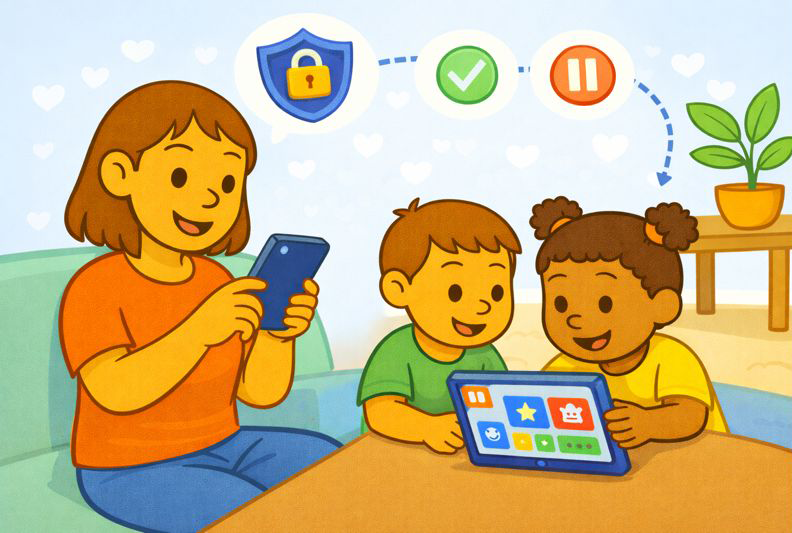
At their best, parental controls act like guardrails. They create a safer environment while still allowing kids room to explore, learn, and make age-appropriate choices. When controls are paired with trust and communication, parents don’t have to hover, and kids don’t feel watched.
The goal isn’t perfect oversight. It’s peace of mind — for everyone.


What Parental Controls Are Actually Good At
Parental controls are most effective when they handle the structural parts of safety, not the relational ones. They work best in the background, quietly supporting boundaries you’ve already set.
Parental controls are especially helpful for:
Filtering age-inappropriate content
Limiting app downloads or purchases
Setting time-of-day restrictions
Creating basic safety defaults
They are not a substitute for conversation, values, or emotional guidance — and they don’t need to be.
Shifting From Surveillance to Structure
Constant monitoring can erode trust on both sides. Kids may feel anxious or secretive, while parents feel exhausted trying to keep up.
A structure-first approach focuses on:
Clear expectations
Predictable limits
Fewer surprise checks
More open conversations
This shift aligns naturally with How to Create a Family Media Plan That Actually Works, where systems reduce stress better than micromanagement.
When structure is solid, monitoring becomes occasional — not constant.
Setting Controls That Match Your Child’s Development
Parental controls should change as children grow. What makes sense for a six-year-old may feel intrusive to a twelve-year-old.
Age-appropriate adjustments often include:
Stronger filters for younger children
Gradual increases in access over time
More autonomy paired with responsibility
Ongoing conversations about expectations
Explaining why controls change helps kids see them as supportive rather than punitive.
Being Transparent About What Controls Do
One of the fastest ways to undermine trust is setting controls secretly. Transparency matters — even with young children.
Helpful transparency sounds like:
“This setting helps block grown-up content.”
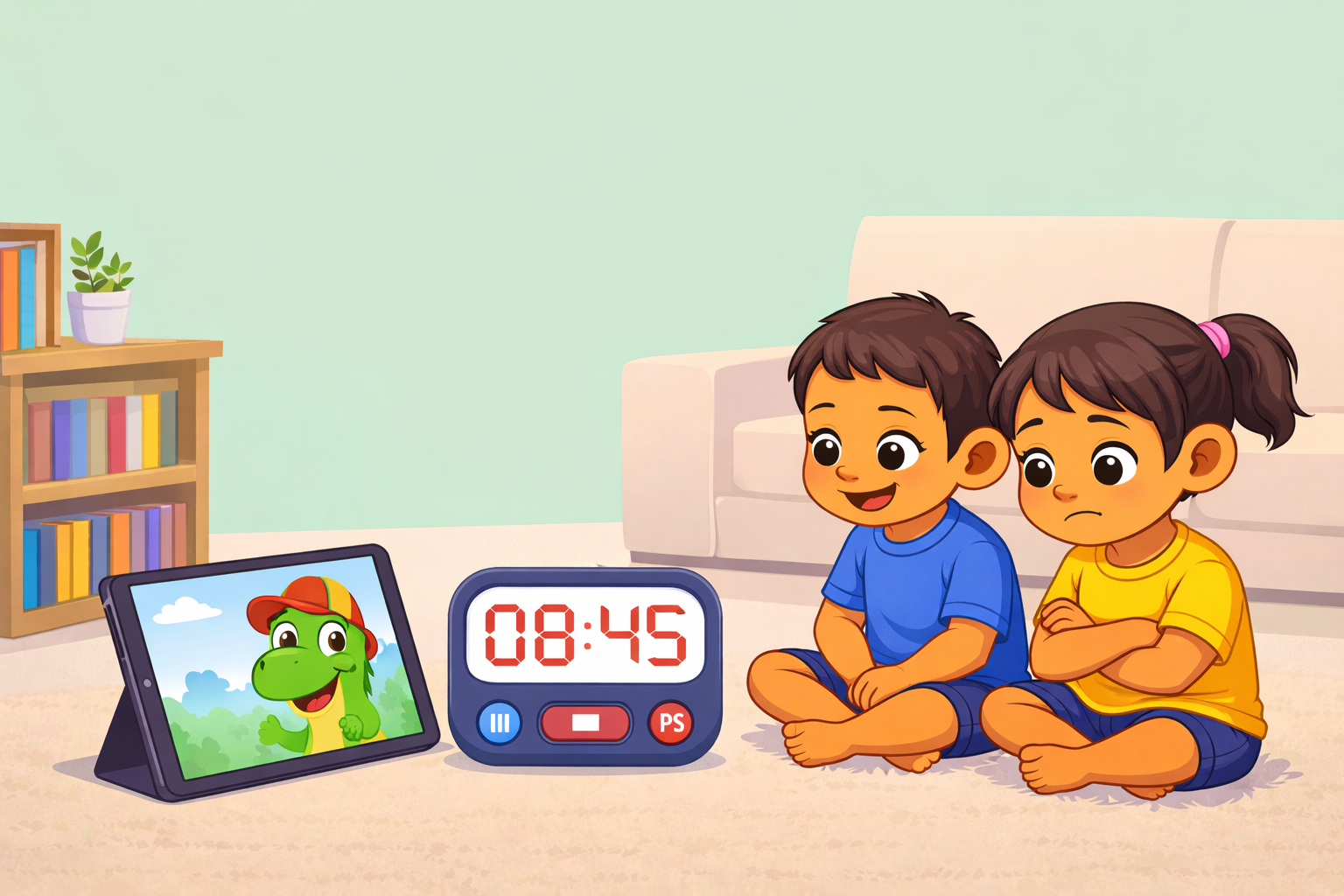
“This timer helps us stop before things get overwhelming.”
“As you get older, these settings will change.”
This openness reinforces ideas from Tech Boundaries That Stick: Setting Limits Without Meltdowns, where clarity reduces resistance.
When kids understand the purpose, they’re more likely to cooperate.
Letting Controls Handle the Basics
Parental controls are most effective when they manage predictable issues so parents don’t have to step in repeatedly.
Controls can quietly:
End screen time automatically
Prevent late-night usage
Block unsafe search results
Limit in-app purchases
This reduces daily negotiations and allows parents to focus on connection instead of enforcement.
Teaching Kids to Self-Monitor Alongside Controls
Parental controls work best when they support — not replace — self-regulation skills.
Parents can help kids build awareness by:
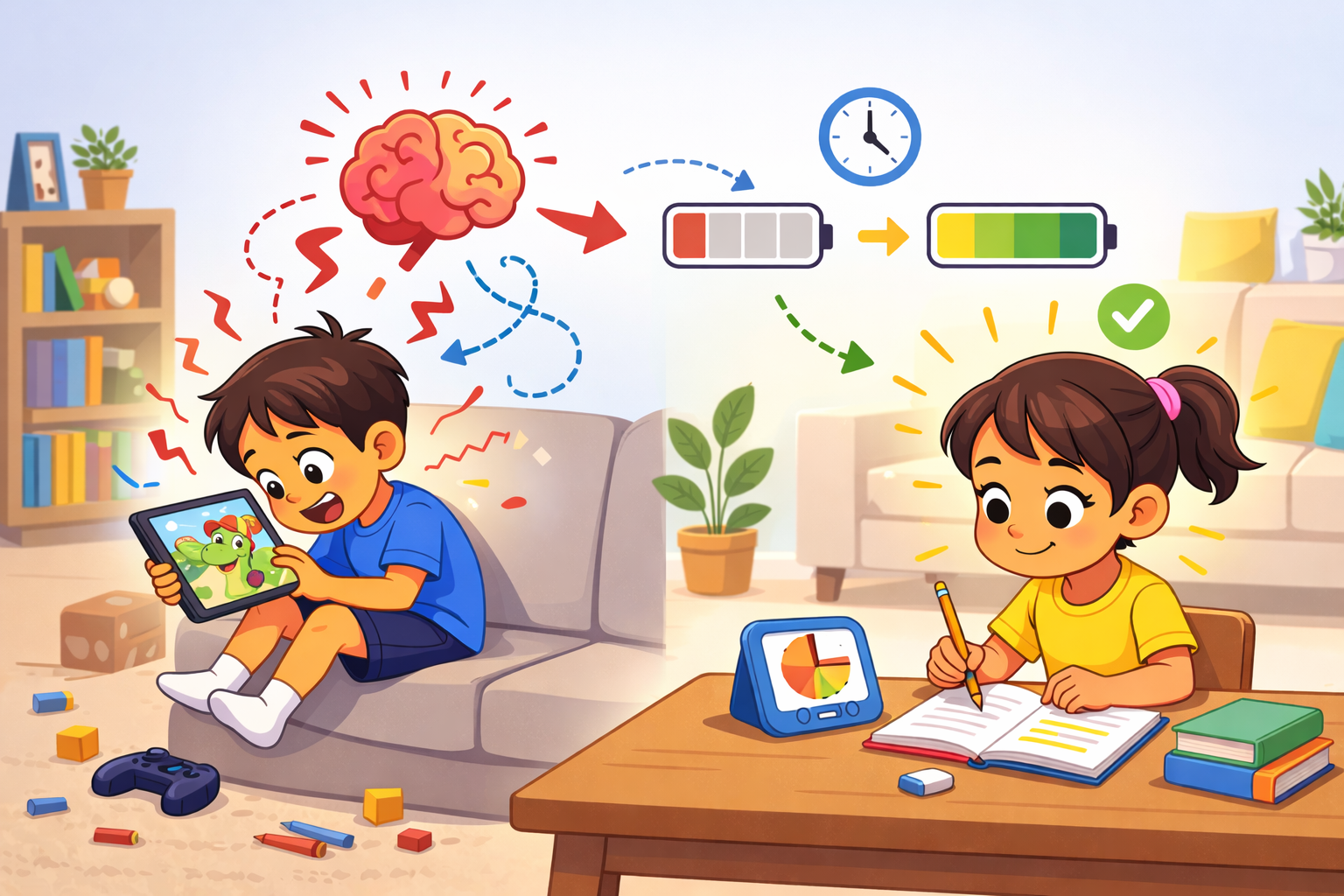
Talking about how screens affect mood or sleep
Encouraging kids to notice when they feel overstimulated
Reflecting together after screen time ends
This approach pairs naturally with Building Digital Resilience: Helping Kids Handle Online Challenges, where confidence grows through understanding rather than restriction.
Over time, kids begin to internalize limits instead of relying on external ones.
Avoiding the “Gotcha” Mentality
Using parental controls to catch kids doing something wrong can quickly damage trust. Kids learn more from calm conversations than surprise consequences.
Healthier responses include:
Addressing patterns, not one-off mistakes
Asking what happened before reacting
Treating missteps as learning moments
When children feel safe being honest, parental controls become a safety net — not a trap.
Modeling Balanced Tech Use as a Parent
Children watch how adults interact with technology just as closely as they experience controls themselves.
Modeling balance includes:
Respecting screen-free times
Explaining your own tech boundaries
Showing that limits apply to everyone
This modeling reinforces lessons explored in Digital Role Modeling: How Your Own Habits Shape Theirs, where behavior teaches more than settings ever could.
When parents practice balance, controls feel fair rather than one-sided.
Knowing When to Adjust or Remove Controls
Parental controls are tools, not permanent fixtures. As kids demonstrate responsibility, controls can — and should — evolve.
Signs it may be time to adjust include:
Consistent respectful tech use
Honest communication about mistakes
Growing self-awareness around limits
Gradual changes build trust and show kids that responsibility leads to autonomy.
Letting Controls Support — Not Dominate — Family Life
The healthiest families use parental controls quietly and confidently. They don’t rely on constant checking, nor do they ignore guidance altogether.
When controls are paired with:
Clear expectations
Open communication
Emotional support
Consistent modeling
…they do exactly what they’re meant to do: create safety without stress.
At Fuzzigram, we believe parental controls should make family life easier, not more tense. When used as background support — not constant surveillance — they help kids grow into capable, trustworthy digital citizens while giving parents the peace of mind they deserve.
This content is for educational purposes and is not a substitute for professional medical or psychological advice.