Encouraging Purposeful Tech Use During Downtime
Encouraging Purposeful Tech Use During Downtime

Why Downtime Is When Tech Habits Are Formed
Most screen struggles don’t happen during clearly defined moments like homework or bedtime. They happen during downtime — the in-between spaces when kids are bored, tired, waiting, or unsure what to do next.
Downtime is powerful because it’s unstructured. Without a plan, screens easily become the default filler. Over time, this teaches kids that technology is how boredom, discomfort, or quiet moments are handled.
Encouraging purposeful tech use during downtime isn’t about eliminating screens. It’s about helping kids learn that how they use technology matters — especially when nothing else is demanding their attention.


Understanding the Difference Between Purposeful and Passive Use
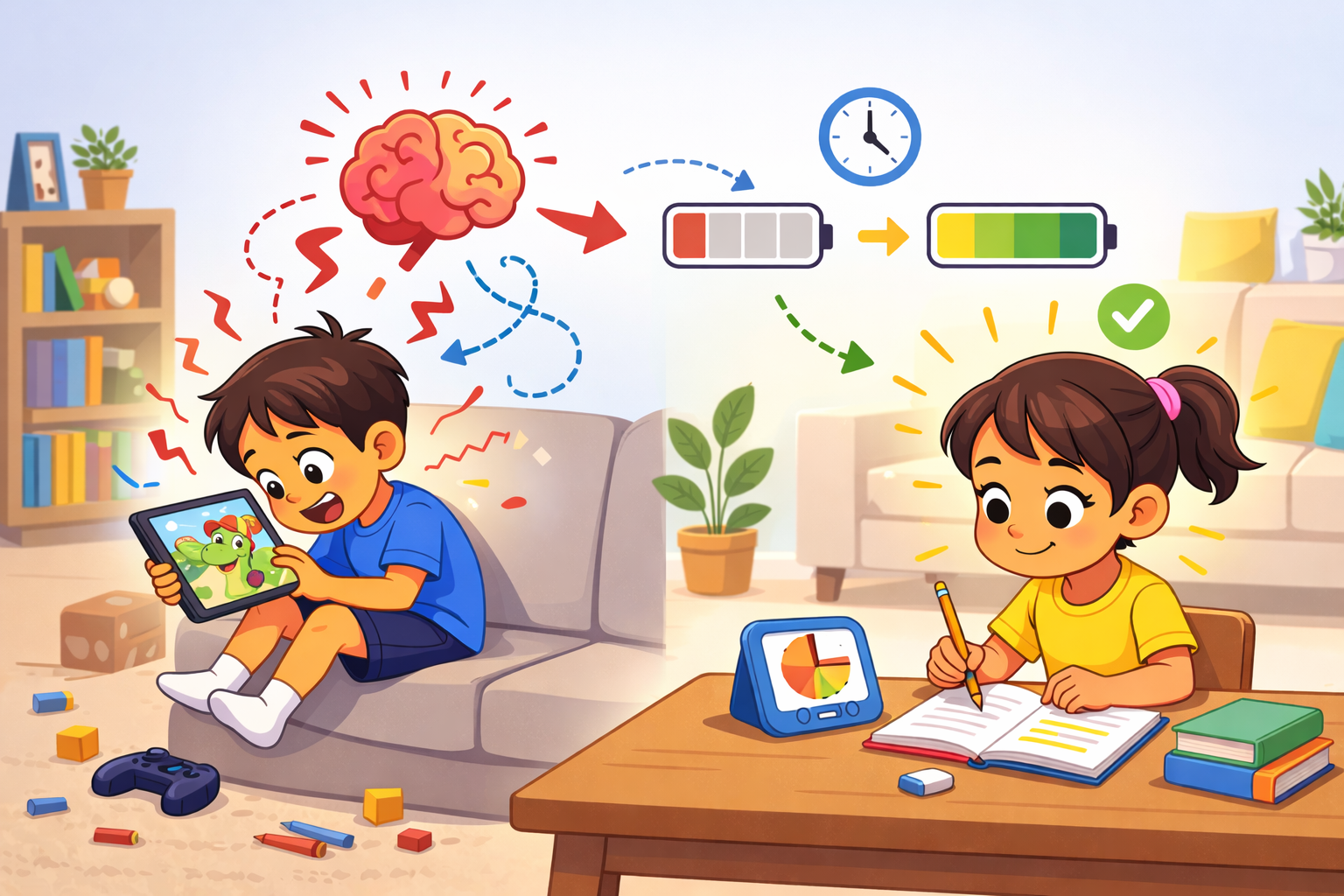
Not all screen time during downtime is equal. Purposeful use feels intentional and contained. Passive use tends to blur time and attention.
Purposeful tech use often:
Has a clear reason for starting
Has a natural stopping point
Leaves kids feeling regulated afterward
Passive use, by contrast, often starts automatically and ends reactively. Helping kids notice this difference is the first step toward healthier habits.
Why Kids Reach for Screens When They’re “Doing Nothing”
Downtime can feel uncomfortable — especially for kids who are still learning how to self-regulate. Screens offer instant stimulation, predictability, and distraction.
Kids often turn to screens during downtime because:
They don’t know what else to do
They feel bored or restless
They’re tired or overstimulated
Screens have become the default option
Recognizing this helps parents respond with guidance instead of frustration.
Redefining Downtime as a Choice Point
Downtime doesn’t need to be filled — it needs to be guided. When kids learn that downtime is a moment to choose rather than react, tech habits shift naturally.
Parents can frame downtime as:
A chance to rest
A moment to create
An opportunity to connect
A time to explore interests
This reframing supports ideas in How to Create Digital “Downtime” Routines That Stick, where structure helps kids navigate unstructured moments.
Helping Kids Choose Purposeful Tech Activities
When screens are used intentionally during downtime, kids benefit more — and resist less when it’s time to stop.
Purposeful downtime tech might include:
Listening to audiobooks or podcasts
Creating digital art or stories
Playing open-ended learning games
Exploring interests through guided content
These options align well with guidance in The Benefits of Educational Apps (and How to Choose Them Wisely), where engagement and intention matter more than labels.
Pairing Tech With Clear Start-and-End Points
Downtime screens become problematic when they have no boundaries. Purposeful use includes knowing when tech starts — and when it ends.
Helpful strategies include:
Setting a clear purpose before starting
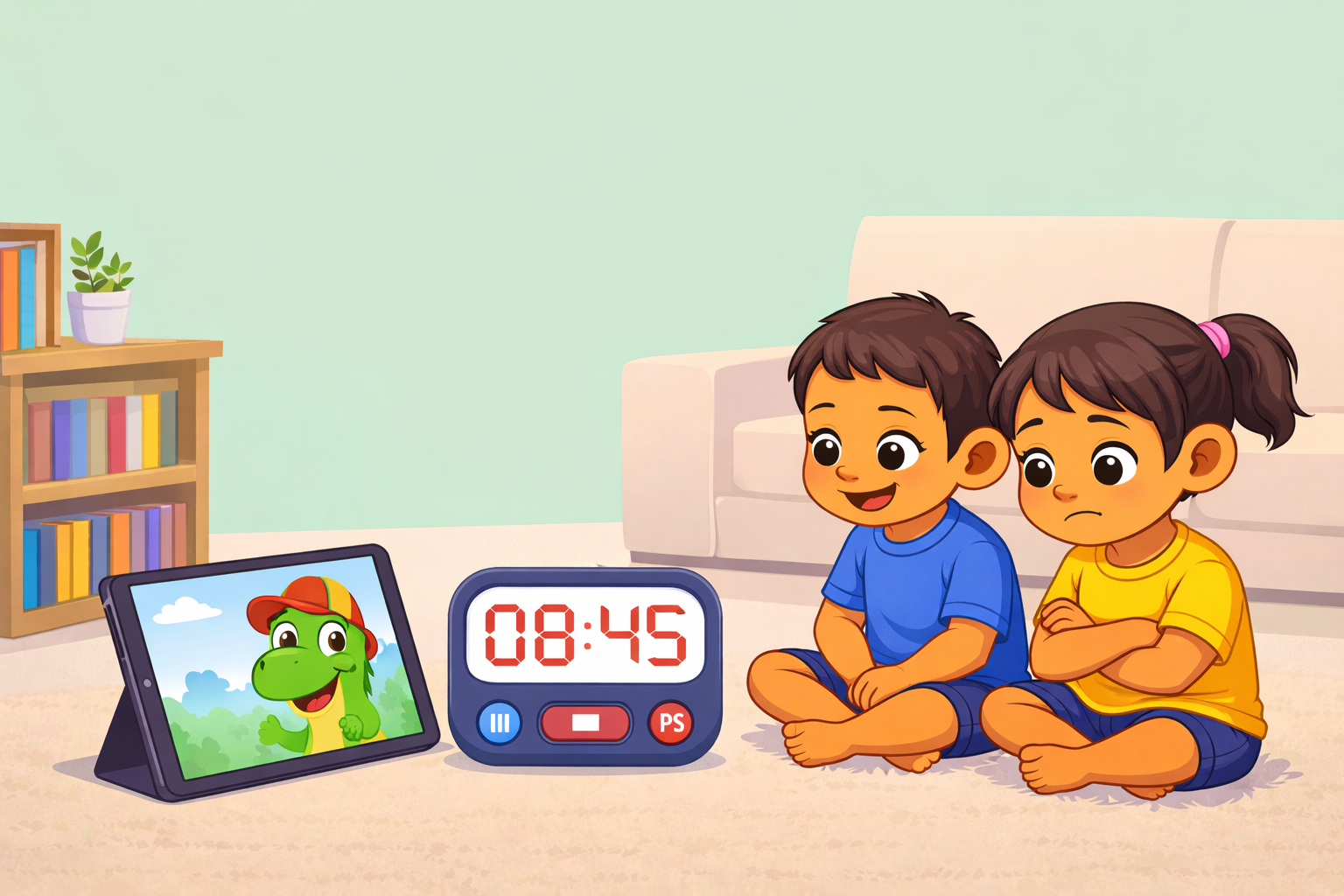
Using timers or episode limits
Pairing screen use with a follow-up activity
This structure helps kids feel secure and reduces the likelihood of power struggles when downtime ends.
Offering Screen-Free Downtime Options Alongside Tech
Encouraging purposeful tech use doesn’t mean screens must always win. Kids are more likely to choose well when they have appealing alternatives.
Balanced downtime menus might include:
Drawing or building supplies
Quiet games or puzzles
Music and movement
Outdoor exploration
These choices complement ideas in Screen-Free Alternatives That Still Feel Fun, where non-digital options feel inviting rather than forced.
Supporting Kids Who Struggle With Unstructured Time
Some kids find downtime especially challenging. They may feel anxious, dysregulated, or overwhelmed without direction.
For these kids, it helps to:
Offer limited, curated choices
Keep routines predictable
Start with shorter downtime windows
Stay nearby without directing
Purposeful tech use can act as a bridge — supporting regulation while kids build confidence handling unstructured moments.
Modeling Purposeful Tech Use as Adults
Kids learn how to use technology during downtime by watching adults. If parents scroll automatically during quiet moments, kids absorb that habit.
Modeling purposeful use might include:
Naming why you’re using a device
Choosing tech intentionally — or choosing not to
Putting devices away after use
This modeling reinforces expectations without needing constant reminders.
Knowing When Downtime Tech Needs Adjusting
Even purposeful tech use can drift into habit over time. Regular check-ins help families stay aligned.
It may be time to adjust when:
Screens are always the first choice
Kids seem dysregulated afterward
Downtime feels tense instead of restorative
These reflections align naturally with Managing Screen Time and Selecting Age-Appropriate Content, where fit matters as much as limits.
Teaching Kids That Downtime Is a Skill
Downtime isn’t empty time — it’s a skill kids grow into. Learning how to rest, explore, or engage intentionally during unstructured moments is part of healthy development.
Families who support purposeful tech use during downtime often notice:
Less boredom-driven screen use
More intentional choices
Easier transitions away from devices
Greater comfort with quiet moments
Downtime doesn’t need more stimulation. It needs intention — and sometimes, just a little guidance.
This content is for educational purposes and is not a substitute for professional medical or psychological advice.