How to Discuss Screen Time Rules Without Conflict
How to Discuss Screen Time Rules Without Conflict
Why Screen Time Conversations So Easily Turn Into Power Struggles
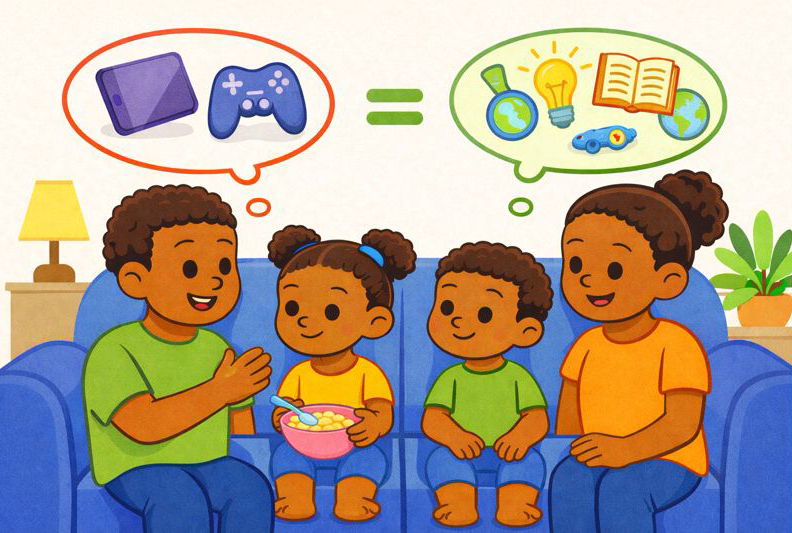
Screen time disagreements rarely start as arguments about minutes or devices. They start as clashes over control, autonomy, and feeling understood. For kids, screens often represent freedom, fun, and connection. For parents, they can represent concern, limits, and responsibility.
When these perspectives collide, conversations can escalate quickly. Voices rise, defensiveness kicks in, and suddenly the discussion isn’t about screens at all — it’s about who’s in charge.
Learning how to talk about screen time without conflict doesn’t mean eliminating rules. It means changing how those rules are introduced, discussed, and reinforced so kids feel respected rather than controlled.


Understanding What Kids Hear When Rules Are Announced
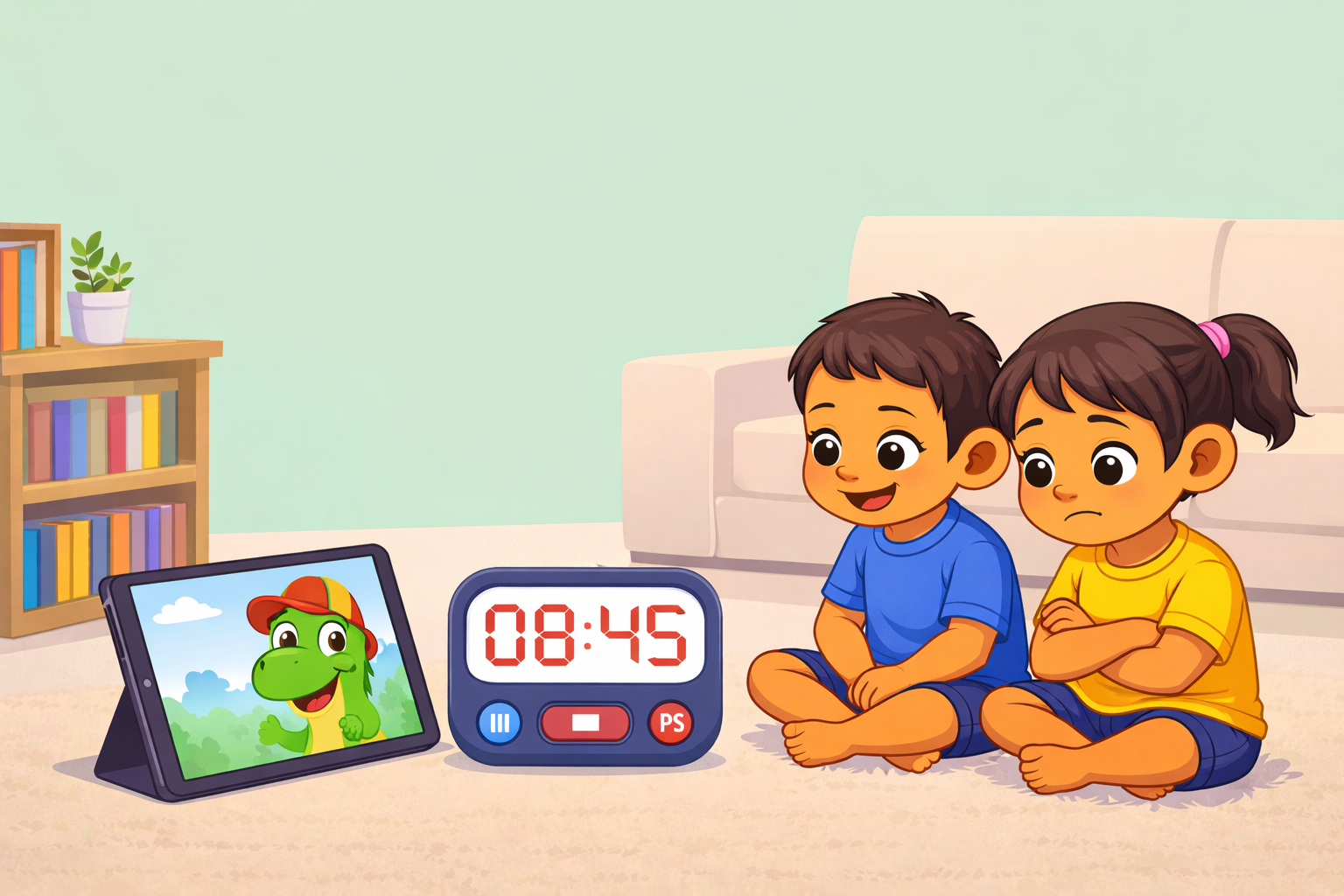
When parents say, “Time’s up,” kids often hear much more than the words themselves. They may hear:
“You’re not trusted.”
“Your fun doesn’t matter.”
“You don’t get a say.”
Even when rules are reasonable, the delivery can trigger resistance. Kids are far more likely to cooperate when they feel included in the conversation — even if the outcome doesn’t fully go their way.
Why Explaining Less Sometimes Works Better
Parents often feel the need to justify every screen rule with long explanations. Ironically, too much explaining can invite debate and escalation.
Short, calm explanations tend to work best because they:
Reduce opportunities for argument
Keep emotions from spiraling
Communicate confidence
This doesn’t mean being dismissive. It means choosing clarity over persuasion.
Shifting From “Rules” to “Agreements”
One powerful way to reduce conflict is to shift the framing from rules imposed on kids to agreements created with them.
Screen agreements work best when they:
Are discussed during calm moments
Include kids’ input
Are predictable and consistent
This collaborative approach aligns closely with How to Create a Family Media Plan That Actually Works, where shared expectations reduce daily friction.
Agreements don’t eliminate boundaries — they strengthen them by building buy-in.
Timing the Conversation for Success
Trying to discuss screen limits while a child is actively using a device is one of the fastest ways to trigger conflict. Emotions are already high, and brains are focused elsewhere.
More productive moments include:
Earlier in the day
During neutral activities like meals or walks
When introducing a new routine
Talking before limits are enforced makes those limits feel less sudden and less personal.
Using Empathy Without Backtracking
Empathy doesn’t mean changing the rule — it means acknowledging feelings without negotiating the boundary.
Helpful phrases include:
“I know this is frustrating.”
“It’s hard to stop when you’re having fun.”
“I hear that you want more time.”
These responses reduce escalation while keeping expectations intact. This approach connects naturally with Helping Kids Transition Away from Screens Peacefully, where emotional validation supports cooperation.
Avoiding the Most Common Conversation Traps
Certain patterns almost always increase conflict — even when intentions are good.
Common traps include:
Comparing screen use to other kids
Negotiating in the heat of the moment
Threatening consequences prematurely
Lecturing instead of listening
Stepping out of these patterns often de-escalates tension faster than any new rule ever could.
Letting Behavior — Not Emotion — Guide Decisions
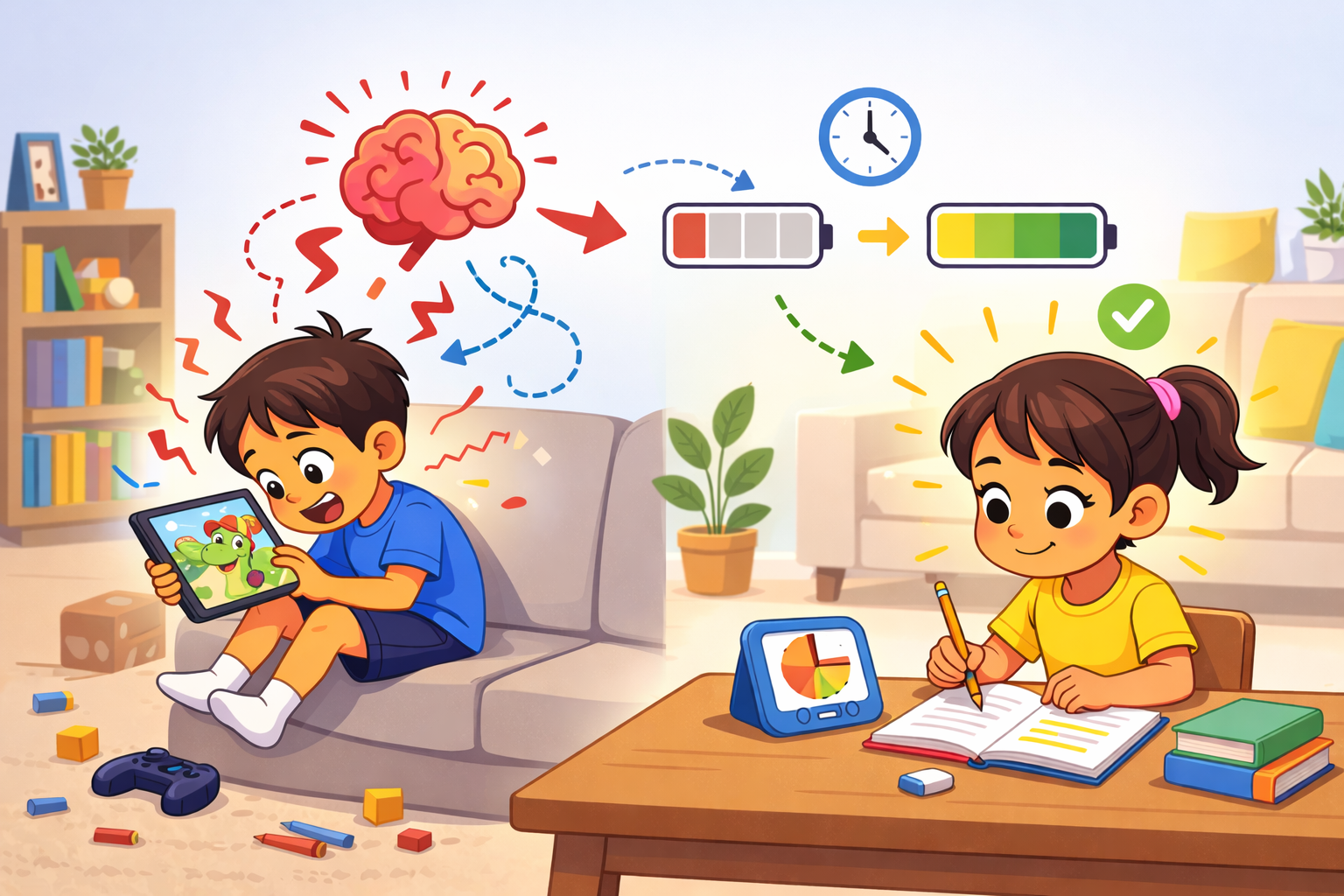
Kids may cry, argue, or protest when screen limits are discussed. While those emotions are real, decisions work best when they’re based on behavior and patterns rather than emotional intensity.
Parents can calmly reference:
Difficulty transitioning
Changes in mood after screens
Impact on sleep or focus
This keeps conversations grounded in observation rather than blame — a core idea in Tech Boundaries That Stick: Setting Limits Without Meltdowns.
Modeling Calm Digital Communication
Kids learn how to handle screen conversations by watching how adults handle digital boundaries themselves. If parents become reactive around screens, kids will too.
Modeling includes:
Staying calm during limits
Not arguing with devices or apps
Respecting your own tech boundaries
Repeating the Conversation Without Restarting the Argument
Screen time conversations are rarely one-and-done. Kids test limits as they grow — and repetition is part of learning.
What helps:
Repeating expectations without re-arguing
Keeping language consistent
Avoiding new explanations each time
Predictability reduces emotional charge. When kids know what to expect, resistance fades faster.
Protecting the Relationship While Holding the Boundary
The most effective screen rules are the ones that don’t damage the parent-child relationship. Kids don’t need perfect limits — they need calm, steady adults who can hold boundaries without anger or fear.
Families who improve screen conversations often notice:
Fewer daily conflicts
Faster transitions away from screens
More trust over time
Greater cooperation overall
At Fuzzigram, we believe screen rules should protect relationships, not strain them. When parents focus on connection first and consistency second, conversations about screens become calmer, clearer, and far more effective.
Limits don’t have to feel like fights. With the right approach, they can feel like teamwork.
This content is for educational purposes and is not a substitute for professional medical or psychological advice.