How to Introduce Technology Mindfully to Toddlers
How to Introduce Technology Mindfully to Toddlers
Why Toddlers Need a Different Approach to Technology
Toddlers are in a unique stage of development. Their brains are growing rapidly, their bodies are learning coordination, and their understanding of the world is rooted in sensory experiences. Because of this, technology can have a very different impact on toddlers than it does on older children.
Introducing technology mindfully at this age isn’t about early mastery or skill-building. It’s about protecting curiosity, supporting regulation, and laying the groundwork for healthy habits later on. When technology is introduced slowly and intentionally, it becomes one small part of a rich environment — not the center of it.
For toddlers, the how matters far more than the how much. Tone, context, and presence shape their experience far more than the device itself.


What “Mindful” Technology Use Means for Toddlers
Mindful technology use with toddlers focuses on quality, timing, and connection. It recognizes that toddlers learn best through relationships and hands-on exploration.
At this stage, mindful use often means:
Short, intentional experiences
Adult presence during use
Simple, predictable content
Clear beginnings and endings
Technology becomes something shared rather than something handed over. This approach keeps toddlers grounded in connection while gently introducing digital experiences.
Understanding How Toddlers Learn Best
Toddlers learn through movement, repetition, imitation, and sensory input. They touch, mouth, climb, and explore to understand how the world works.
This developmental reality means:
Screens should never replace physical play
Real-world interaction remains the primary teacher
Technology works best as a supplement, not a substitute
These principles align closely with The Role of Technology in Early Learning: Finding the Sweet Spot, where balance and developmental readiness guide media decisions.
When technology respects how toddlers learn, it supports growth instead of competing with it.
Choosing Content That Matches Toddler Development
Not all “toddler-friendly” content truly supports toddler development. Mindful introduction starts with choosing content designed for simplicity and engagement — not stimulation.
Supportive toddler tech typically:
Uses slow pacing
Features simple visuals
Encourages imitation or movement
Avoids ads and distractions
Toddlers don’t benefit from fast cuts, loud sound effects, or complex storylines. Simpler experiences allow them to focus, process, and feel safe.
The Importance of Co-Viewing and Co-Using
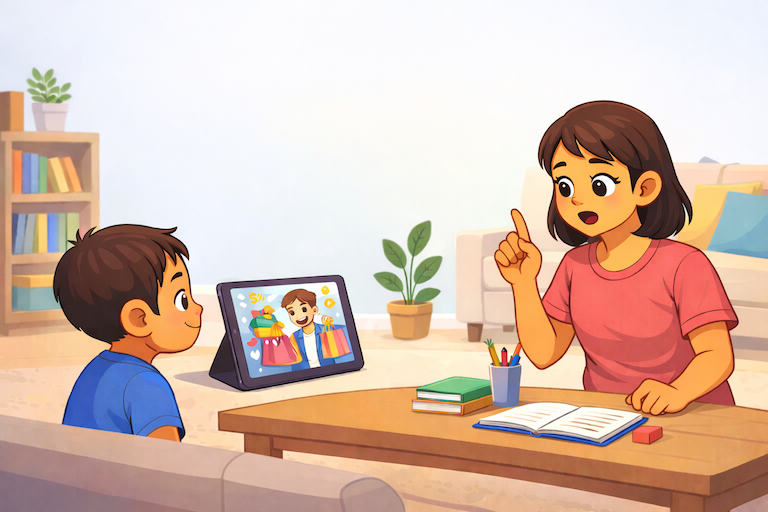
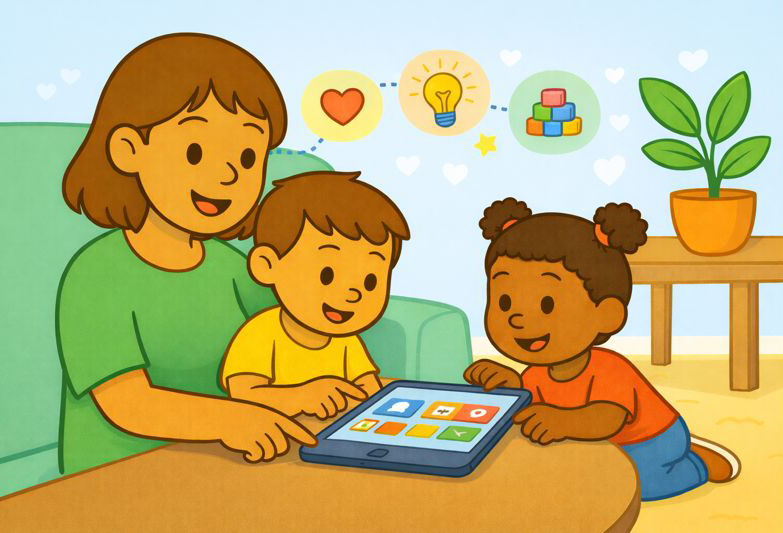
Toddlers learn most effectively when adults are actively involved. Sitting together, narrating what’s happening, and responding to your child’s cues turns screen time into a relational experience.
During shared tech moments, adults can:
Name what’s happening on screen
Pause and respond to toddler reactions
Connect digital content to real-life experiences
Model calm, intentional use
This shared approach reflects ideas in The Hidden Power of Co-Viewing: Watching Together Builds Connection, where presence transforms media into a learning opportunity.
Keeping Technology Sessions Short and Predictable
For toddlers, shorter is almost always better. Long or open-ended screen time can quickly lead to dysregulation.
Many families find success by:
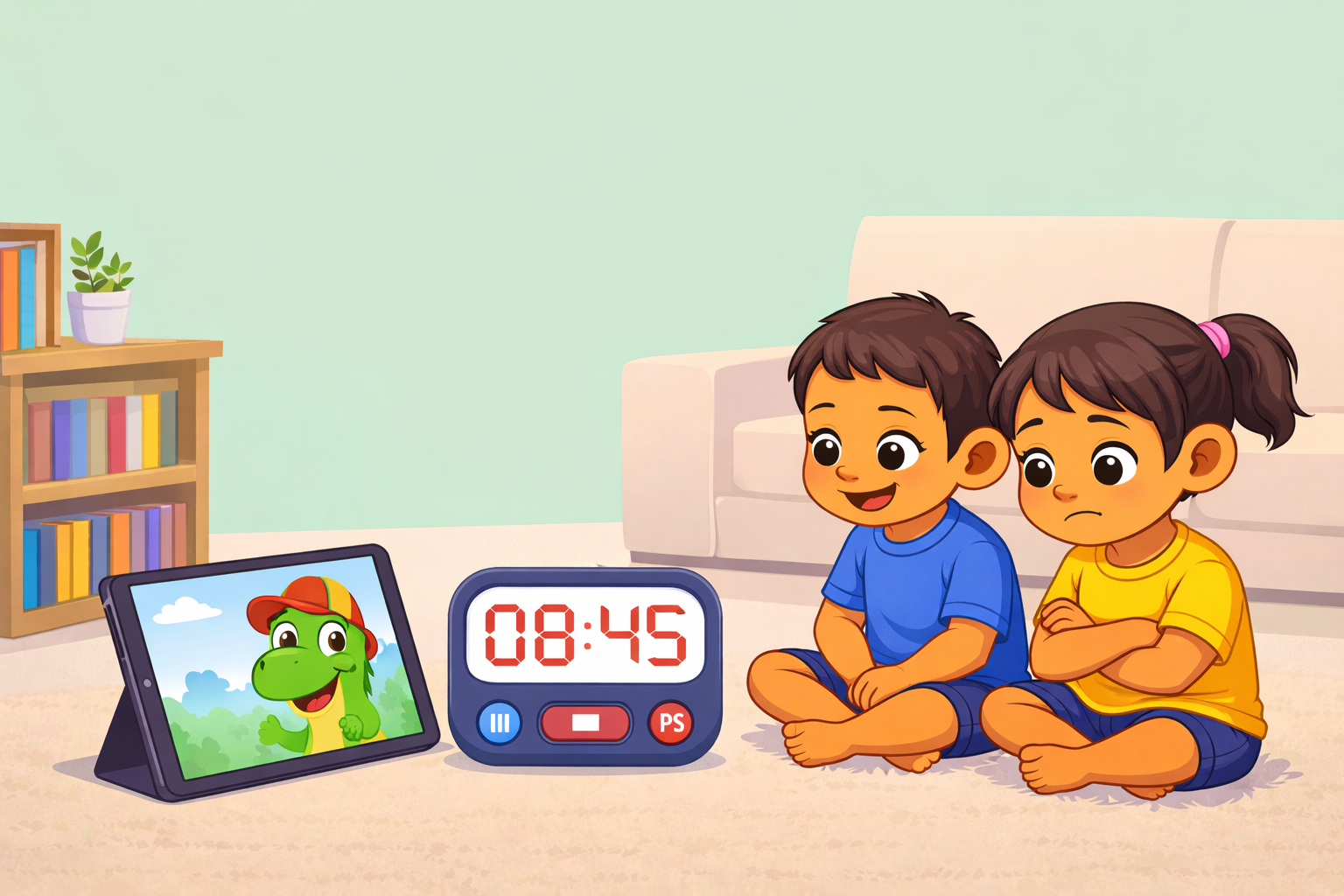
Using timers or songs to mark the end
Keeping tech use to consistent times
Avoiding screens right before sleep
Pairing screen time with calm transitions
Predictability helps toddlers feel secure. When they know what to expect, they’re less likely to resist transitions away from screens.
Protecting Real-World Play as the Priority
Mindful technology use only works when real-world play remains central. Toddlers need daily opportunities to climb, build, pretend, and explore with their bodies.
A balanced day includes:
Free movement and outdoor time
Sensory play like water or sand
Pretend play and storytelling
Shared reading and conversation
This balance mirrors ideas in Encouraging Balance Between Tech and Real-World Play, where technology supports — but never replaces — hands-on learning.
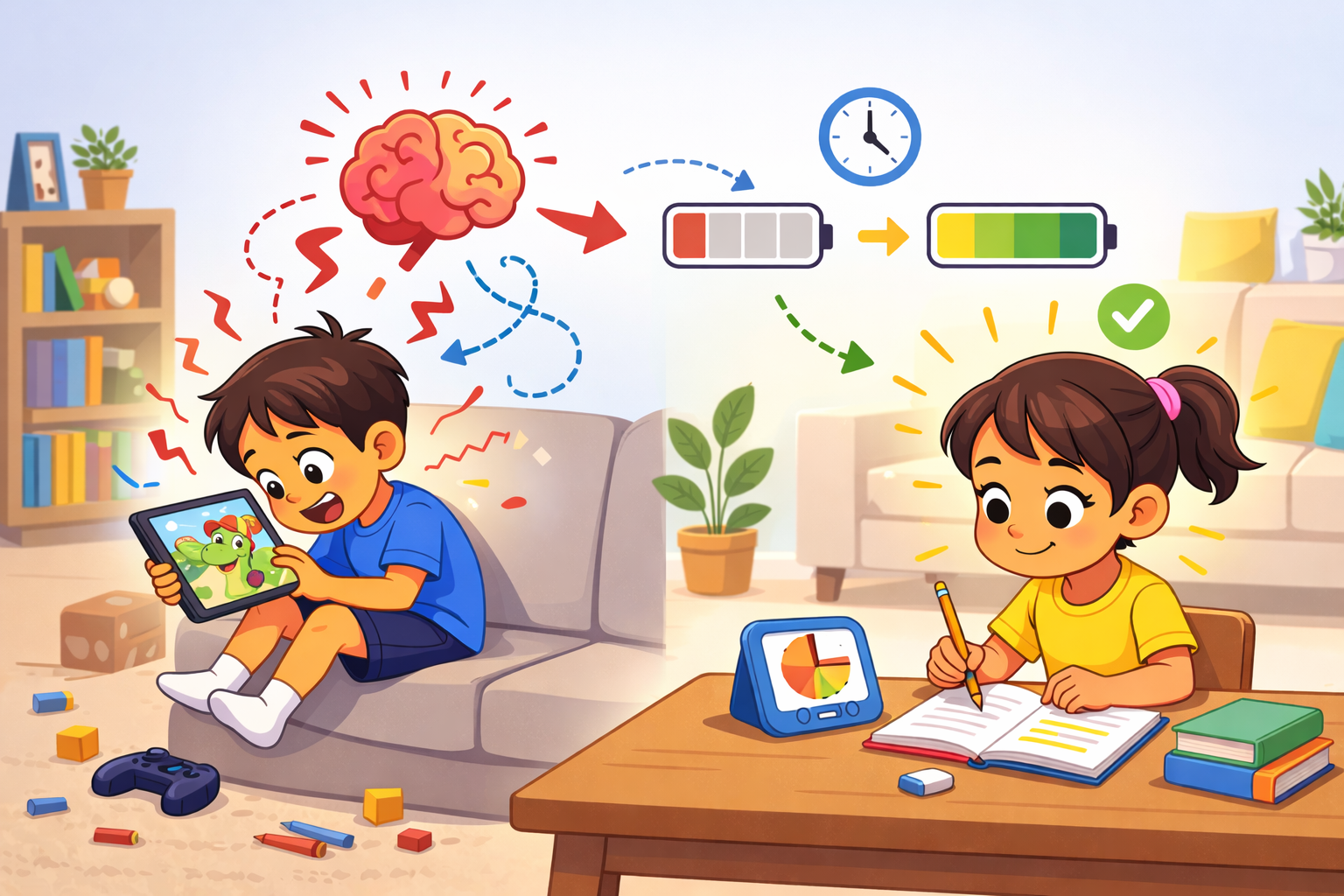
Watching for Signs of Overstimulation
Toddlers often can’t tell us when technology feels like too much. Instead, they show us through behavior.
Signs that a toddler may be overstimulated include:
Increased irritability or meltdowns
Difficulty transitioning away from screens
Reduced interest in toys or play
Trouble settling afterward
When these signs appear, it’s a cue to adjust timing, content, or frequency — not to push through.
Modeling Healthy Technology Habits Early
Toddlers are excellent observers. Long before they understand screens, they notice how adults interact with devices.
Mindful modeling includes:
Putting phones away during play
Narrating when you’re using technology
Showing that devices have clear beginnings and ends
Prioritizing face-to-face interaction
This modeling supports lessons explored in Digital Role Modeling: How Your Own Habits Shape Theirs, where children learn habits by watching, not listening.
Letting Technology Support Routines — Not Replace Them
When used thoughtfully, technology can support existing routines rather than disrupt them. A short video before bath time or a calming song before nap can feel predictable and comforting.
The key is ensuring that:
Technology doesn’t replace caregiver interaction
Routines stay flexible and responsive
Screens don’t become the only regulator
Technology should enhance rhythm — not control it.
Laying the Foundation for Healthy Media Habits
Introducing technology mindfully during the toddler years isn’t about preparing children for more screen time later. It’s about preparing them for healthy relationships with media.
Toddlers who experience technology as:
Shared
Predictable
Calm
Limited
…are more likely to develop balance as they grow.
At Fuzzigram, we believe toddlers thrive when technology respects their pace, supports their development, and stays firmly rooted in connection. When introduced mindfully, technology becomes just one small — and thoughtful — part of a joyful early childhood.
This content is for educational purposes and is not a substitute for professional medical or psychological advice.