How to Recognize Digital Fatigue
How to Recognize Digital Fatigue
Why Digital Fatigue Is Easy to Overlook
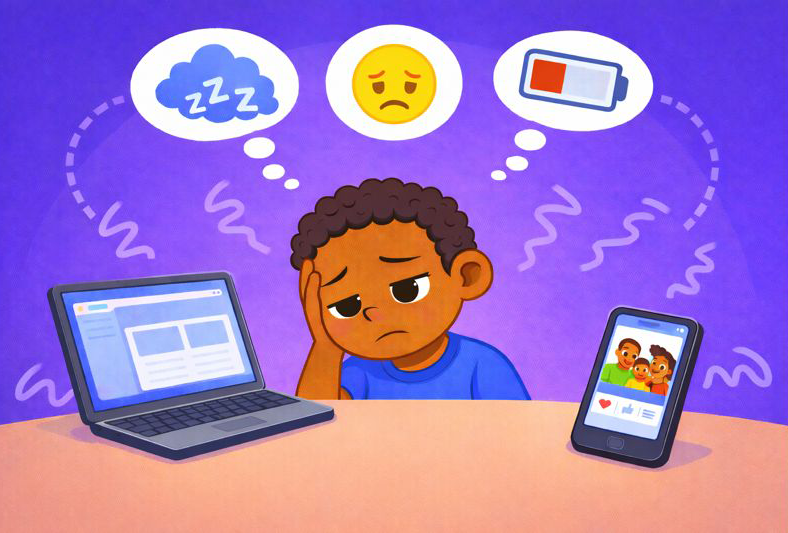
Digital fatigue rarely announces itself with a clear signal. It builds quietly as screens become woven into learning, play, connection, and downtime. Kids may seem fine while using devices, yet feel drained, irritable, or disconnected afterward. Because technology can hold attention even when energy is low, fatigue often goes unnoticed.
Digital fatigue isn’t about too much screen time in a single moment. It’s about cumulative load — the steady mental and sensory effort required to process constant input. Recognizing it early helps families adjust gently, before exhaustion turns into conflict or burnout.


What Digital Fatigue Actually Means
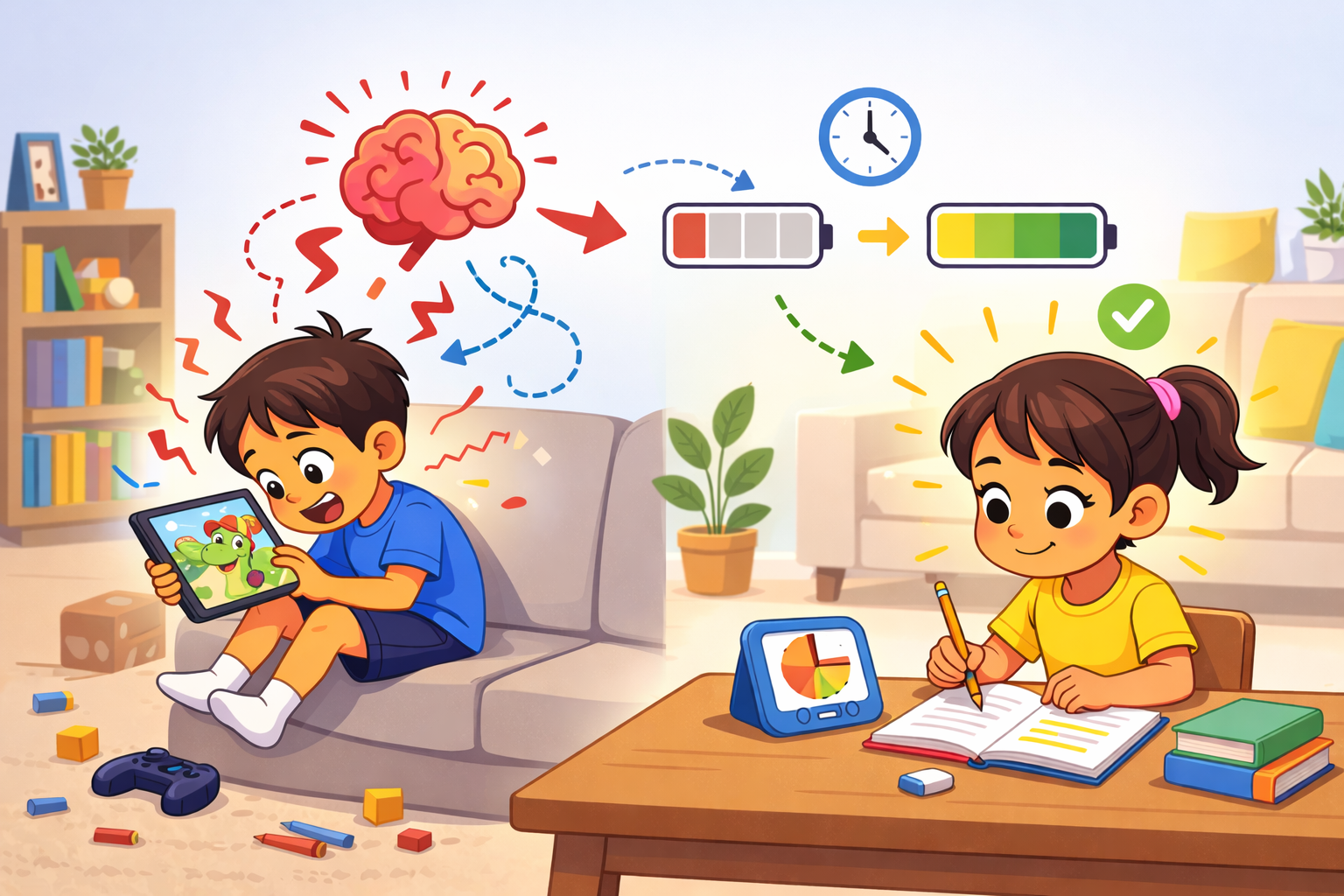
Digital fatigue occurs when the brain and nervous system are overworked by sustained digital input without enough recovery. This can happen even with age-appropriate content and reasonable time limits.
Digital fatigue often stems from:
Continuous visual stimulation
Rapid information processing
Constant decision-making or interaction
Limited sensory variety
When recovery doesn’t keep pace with input, kids may appear disengaged or dysregulated — not because content is “bad,” but because their systems are tired.
Why Children Experience Digital Fatigue Differently
Kids aren’t just small adults. Their brains are still developing attention control, emotional regulation, and cognitive endurance, which makes them more sensitive to sustained digital demands.
Children may be more affected because:
Their self-regulation skills are still forming
They rely more on external cues to rest
Transitions require more effort
They have fewer strategies to name fatigue
Understanding these differences helps parents interpret behavior accurately — as fatigue, not defiance.
Emotional Signs That Often Signal Fatigue
Emotional changes are among the earliest indicators that digital fatigue is setting in.
Parents often notice:
Irritability or short tempers
Emotional flatness or withdrawal
Tearfulness without a clear trigger
Reduced tolerance for frustration
These shifts point to a nervous system that needs less input and more restoration.
Behavioral Clues That Appear Over Time
Behavioral signs of digital fatigue often emerge gradually and may show up outside of screen time.
Common behavioral clues include:
Avoidance of previously enjoyed activities
Difficulty starting or finishing tasks
Increased resistance to transitions
Restlessness or aimless scrolling
These patterns align with ideas in The Emotional Side of Tech: Teaching Self-Regulation with Devices, where fatigue reduces a child’s capacity to manage emotions and behavior.
Physical Symptoms Parents Don’t Always Connect to Screens
Digital fatigue isn’t only mental or emotional — it can be physical, too.
Some children experience:
Eye rubbing or headaches
Slumped posture or low energy
“Wired but tired” restlessness
Trouble settling at bedtime
These physical cues are easy to miss, especially when screens appear calming in the moment.
How Digital Fatigue Differs From Overstimulation
Digital fatigue and overstimulation are related, but they’re not the same. Overstimulation is about intensity; fatigue is about depletion.
A child can be fatigued without being hyper, emotional, or dysregulated. They may seem quiet, checked out, or uninterested. Recognizing this distinction helps families choose the right response — rest and restoration, not stricter limits or added stimulation.
Environmental Factors That Accelerate Fatigue
Sometimes fatigue isn’t about the content at all — it’s about the environment in which screens are used.
Fatigue builds faster when:
Screens run in the background
Multiple devices are used at once
Lighting is harsh or inconsistent
Reducing environmental load reflects strategies in Replacing Background TV with Intentional Family Soundscapes, where quieter spaces support mental recovery.
Using Space to Support Recovery
Thoughtful use of physical space can significantly reduce digital fatigue without changing content.
Helpful adjustments include:
Creating screen-free rooms
Watching in calm, low-distraction areas
Keeping devices out of rest spaces
These shifts align with Creating Screen-Free Zones at Home, where environment supports balance automatically.
What Actually Helps Kids Recover From Digital Fatigue
Recovery requires lowering sensory demand and re-engaging the body and mind in gentler ways.
Restorative options include:
Outdoor time or gentle movement
Music or audiobooks
Quiet play or drawing
Consistent sleep routines
These supports echo principles in Sleep and Screens: What Parents Need to Know, where recovery protects regulation and well-being.
Seeing Digital Fatigue as a Signal, Not a Failure
Digital fatigue isn’t a sign that something has gone wrong. It’s information — a cue that the balance between input and rest needs adjusting.
Families who learn to notice fatigue early often experience:
Easier transitions
Fewer screen-related conflicts
More intentional tech use
Better overall regulation
This content is for educational purposes and is not a substitute for professional medical or psychological advice.