Teaching Emotional Awareness Through Media Characters
Teaching Emotional Awareness Through Media Characters
Why Media Characters Can Teach Emotions So Effectively
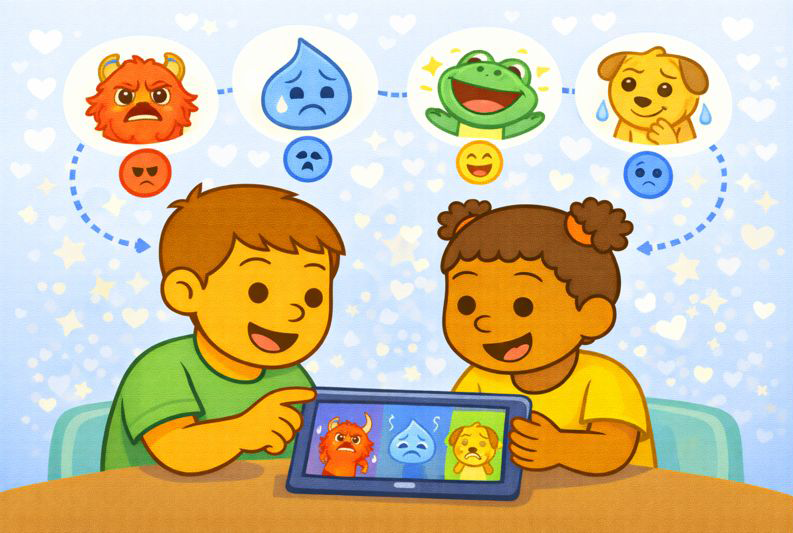
Children often learn best through stories. Whether it’s a cartoon hero, a curious animal, or a relatable kid on screen, media characters give children a safe emotional “practice space.” Kids can observe feelings from a distance, without the pressure of having to manage their own emotions in the moment.
Media characters experience frustration, excitement, jealousy, kindness, fear, and joy — sometimes all in one episode. When children watch these emotional moments unfold, they’re not just being entertained. They’re quietly building emotional understanding.
The key is not shielding children from emotional content, but helping them notice and name it. With the right guidance, media becomes a powerful tool for emotional learning rather than emotional overload.


How Emotional Awareness Develops in Childhood
Emotional awareness doesn’t appear all at once. It develops gradually as children learn to recognize, name, and make sense of feelings — both in themselves and in others.
At different ages, children typically:
Notice emotions before they can name them
Recognize basic feelings like happy, sad, or mad
Gradually understand mixed or conflicting emotions
Learn that feelings influence behavior
Media characters help bridge these stages. They exaggerate expressions, narrate feelings out loud, and show cause-and-effect in ways real life often doesn’t.
Why Watching Feelings Is Easier Than Feeling Them
It’s often easier for children to talk about emotions when those emotions belong to someone else. A character’s struggle feels safer than their own.
Through media characters, children can:
Explore big feelings without being overwhelmed
Practice empathy from a comfortable distance
Talk about emotions without feeling exposed
This distance makes emotional conversations less threatening — especially for kids who struggle to articulate their own feelings.
Choosing Media With Emotional Depth
Not all kids’ media supports emotional learning equally. Some content rushes past emotions in favor of action or humor, while other stories linger long enough for feelings to be understood.
Emotionally supportive media often:
Shows clear facial expressions
Names emotions explicitly
Explores why characters feel the way they do
Models healthy ways to cope
These qualities align closely with guidance in How to Choose Safe, Age-Appropriate Media for Kids, where emotional safety matters just as much as content ratings.
Using Characters to Name and Normalize Feelings
One of the most powerful things media characters do is normalize emotions. When kids see characters struggle, fail, or feel unsure, they learn that these experiences are part of being human.
Parents can support this by:
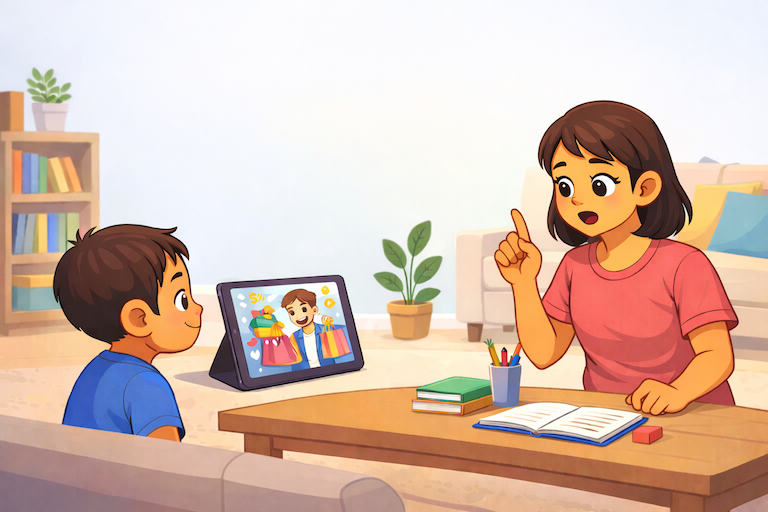
Naming the emotion the character is feeling
Pausing to ask, “How do you think they feel?”
Connecting the feeling to real-life moments
This simple practice builds emotional vocabulary without turning viewing time into a lesson.
Teaching Empathy Through Perspective-Taking
Media stories naturally invite children to see the world through someone else’s eyes. This perspective-taking is the foundation of empathy.
Children practice empathy when they:
Understand why a character acted a certain way
Notice how one character’s actions affect another
Feel concern or care for a character’s outcome
These skills echo themes in Social Skills in a Screened World: Helping Kids Stay Empathic, where emotional understanding strengthens relationships both online and offline.
Talking About Emotional Mistakes Without Shame
Characters often make poor choices when emotions run high — yelling, withdrawing, or acting impulsively. These moments are valuable teaching opportunities.
Instead of focusing on “right” or “wrong,” families can:
Ask what the character was feeling first
Explore what they could do differently next time
Emphasize repair and growth
This approach teaches kids that emotions don’t make someone bad — they make someone human.
Helping Kids Connect Character Emotions to Their Own Lives
Emotional learning deepens when children begin connecting what they see on screen to their own experiences.
Gentle prompts might include:
“Have you ever felt like that?”
“What helps you when you feel that way?”
“What would you want someone to do for you?”
These conversations support ideas in The Emotional Side of Tech: Teaching Self-Regulation with Devices, where awareness leads to healthier emotional choices.
Avoiding Over-Analysis During Screen Time
While discussion is helpful, too much analysis can interrupt enjoyment and emotional flow. Kids don’t need commentary on every scene.
A balanced approach means:
Choosing one or two moments to discuss
Letting silence happen during emotional scenes
Following the child’s curiosity
Emotional learning works best when it feels natural, not forced.
Reinforcing Emotional Skills Beyond the Screen
Media characters can open the door — but emotional skills grow through everyday practice.
Families can reinforce learning by:
Using character names as emotional shorthand
Referencing stories during real-life conflicts
Modeling calm emotional expression themselves
This modeling reflects principles in Digital Role Modeling: How Your Own Habits Shape Theirs, where children learn emotional behavior by watching trusted adults.
Letting Stories Become Emotional Teachers
Media doesn’t replace real-life emotional learning — but it can support it in powerful ways. Stories slow emotions down, make them visible, and give children language they might not yet have.
Families who intentionally engage with emotional storytelling often notice:
More emotional vocabulary
Increased empathy
Easier conversations about feelings
Greater emotional confidence
At Fuzzigram, we believe media can do more than entertain. When parents lean into emotional moments instead of rushing past them, media characters become quiet teachers — helping kids understand themselves and others with compassion, clarity, and care.
Emotional awareness grows one story at a time.
This content is for educational purposes and is not a substitute for professional medical or psychological advice.