Teaching Kids About Advertising and Influencers
Teaching Kids About Advertising and Influencers
Why Advertising Feels Different to Kids
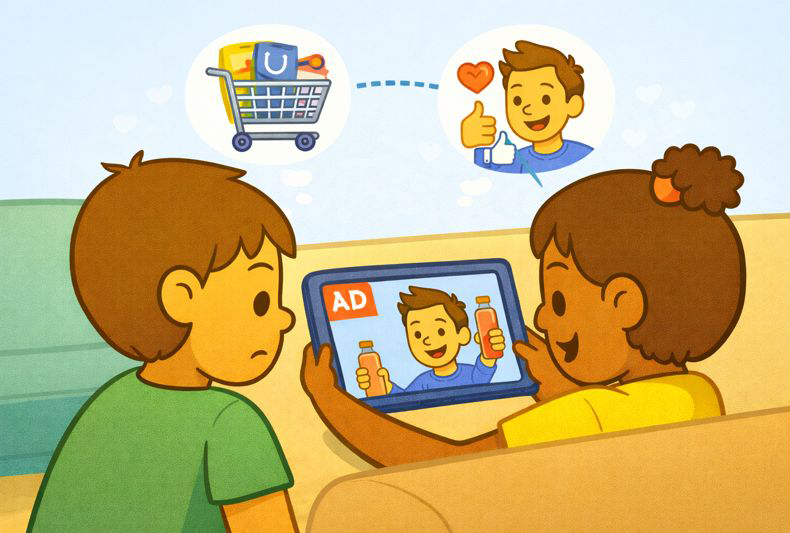
Children don’t experience advertising the way adults do. Where grown-ups may instantly recognize a sales pitch, kids often see ads as entertainment, recommendations, or even friendship. Influencers, mascots, and colorful visuals blur the line between content and persuasion — especially for younger viewers.
Teaching kids about advertising isn’t about making them suspicious or cynical. It’s about helping them understand intent. When children learn that some messages are designed to sell or persuade, they gain clarity — not fear. This clarity helps them navigate media with confidence instead of confusion.


Helping Kids Understand the Purpose of Ads
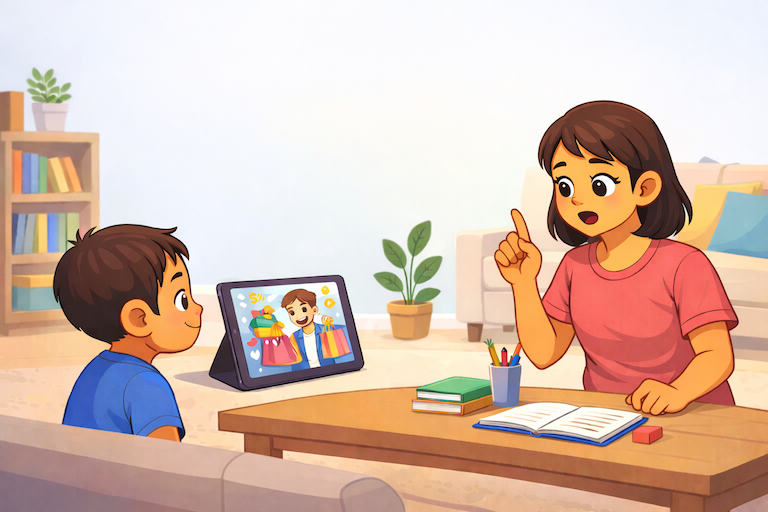
At its simplest, advertising exists to encourage people to buy, click, or choose something. Kids don’t need complex explanations — just honest, age-appropriate ones.
Helpful ways to explain advertising include:
“Ads are made to sell things.”
“Some videos are created to promote products.”
“Creators sometimes get paid to talk about things.”
When adults name advertising clearly, kids stop guessing. Transparency builds trust and sets the foundation for deeper conversations as children grow.
The Unique Influence of Online Creators
Influencers feel personal to kids in a way traditional ads don’t. They speak directly to the camera, share their lives, and build a sense of connection that feels authentic — even when content is sponsored.
This makes influencer content powerful because:
Kids may see creators as role models
Promotions feel like friendly suggestions
Repetition increases familiarity and trust
Ads are woven into everyday content
Understanding this dynamic helps parents guide kids without dismissing the appeal of online creators. Instead of saying “don’t watch,” families can focus on how to watch thoughtfully.
Teaching Kids to Spot Advertising Cues
Children don’t need to memorize rules to become media-aware. They need simple cues they can practice noticing over time.
You can help kids identify ads by pointing out:
Phrases like “sponsored” or “partnered with”
Repeated product mentions
Links or discount codes
Videos focused on unboxing or reviews
These conversations pair naturally with How to Talk to Kids About Online Ads and Influencers, where curiosity replaces cautionary lectures.
Over time, kids begin spotting these cues on their own — a sign that awareness is taking root.
Explaining Why Influencers Promote Products
Kids often assume influencers recommend products simply because they love them. While that can sometimes be true, it’s important to explain the business side in neutral terms.
You might say:
“This is part of their job.”
“They earn money by promoting things.”
“Liking something doesn’t always mean it’s the best choice.”
This framing avoids blame or judgment. It teaches kids that promotion is a transaction — not a personal endorsement — and that they don’t need to copy every recommendation they see.
Supporting Emotional Awareness Around Marketing
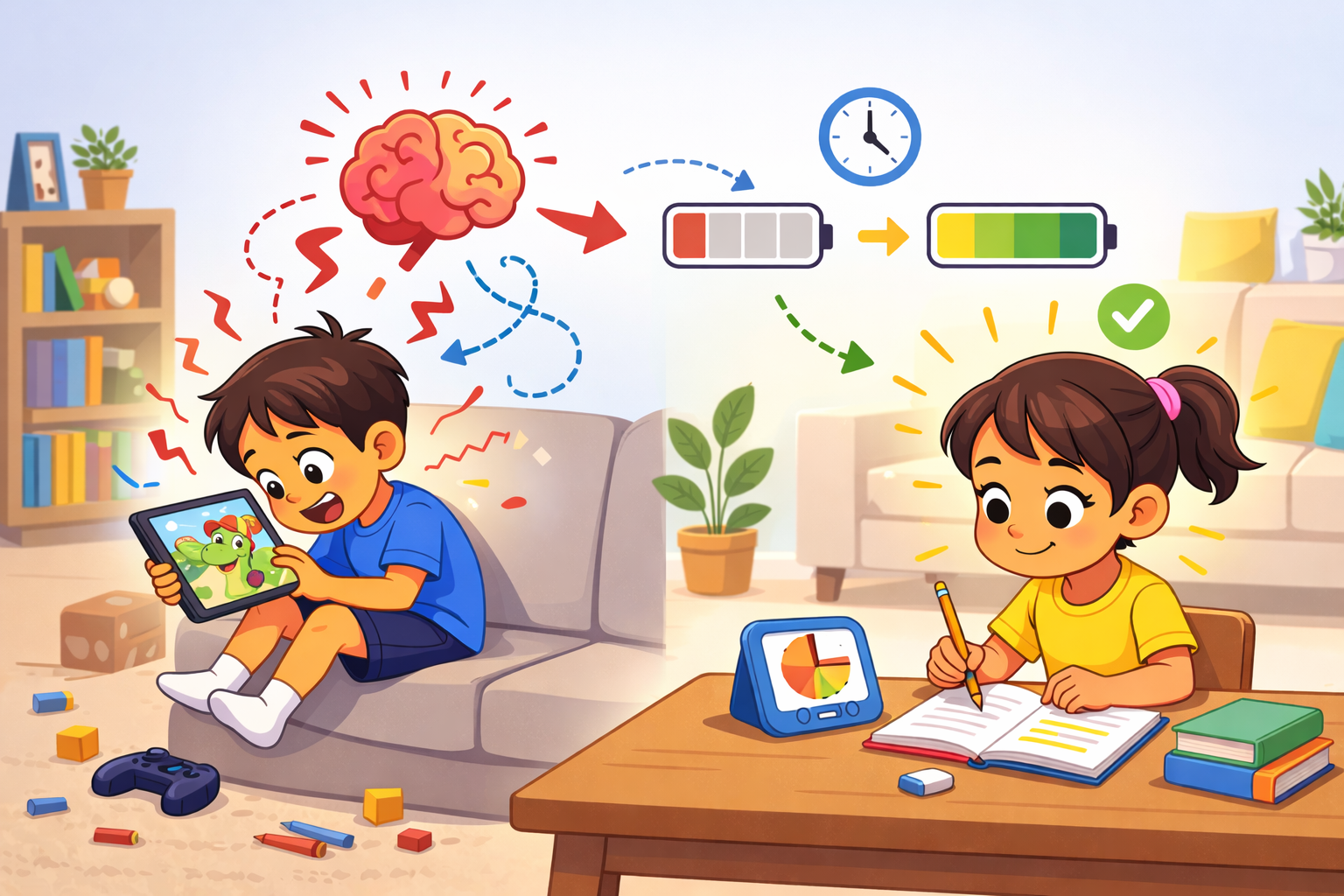
Advertising often taps into emotions — excitement, belonging, confidence, or fear of missing out. Helping kids recognize these feelings builds resilience.
Kids benefit from learning to:
Notice how ads make them feel
Name excitement, pressure, or disappointment
Pause before reacting
Talk about wants versus needs
This emotional awareness connects closely with The Emotional Side of Tech: Teaching Self-Regulation with Devices, where feelings guide healthier decision-making.
When kids can name their emotions, ads lose much of their power.
Using Everyday Media Moments as Teaching Tools
You don’t need formal lessons to teach advertising literacy. The best conversations happen organically — during videos, games, or scrolling moments.
Try asking:
“What do you think they want viewers to do?”
“Do you think this is for fun or for selling?”
“How does this ad make you feel?”
These open-ended questions invite reflection without turning media time into a test. Over time, kids internalize these questions and start asking them independently.
Modeling Thoughtful Responses to Ads
Children learn how to respond to advertising by watching adults. Casual comments and purchasing habits send powerful messages.
Helpful modeling includes:
Talking aloud about why you skip certain ads
Explaining why you don’t buy everything you see
Naming when something feels like clever marketing
Showing patience before making purchases
This modeling reinforces ideas in Digital Role Modeling: How Your Own Habits Shape Theirs, where everyday choices teach more than rules ever could.
Helping Kids Handle Peer Pressure and Trends
Influencer culture often overlaps with trends that spread quickly among peers. Kids may feel pressure to want, own, or follow what others do.
Families can support kids by:
Normalizing that not everyone has the same things
Talking about trends as temporary
Encouraging kids to reflect on what they truly enjoy
Reinforcing values beyond popularity
These conversations strengthen confidence and reduce comparison-driven stress.
Building Resilience Without Distrust
The goal of teaching kids about advertising isn’t to make them distrust everything they see. It’s to help them balance curiosity with awareness.
Resilient kids learn that:
Ads are part of media, not personal messages
They can enjoy content without buying into it
Questions are allowed and encouraged
Adults are available for guidance
This approach aligns with Building Digital Resilience: Helping Kids Handle Online Challenges, where confidence grows through understanding, not avoidance.
Raising Thoughtful, Empowered Media Consumers
Advertising and influencers aren’t going away — and they don’t have to be the enemy. When kids understand how marketing works, they gain power rather than losing innocence.
Over time, children who learn media literacy:
Make more intentional choices
Feel less pressure to keep up
Understand persuasion without fear
Trust their own preferences
At Fuzzigram, we believe kids deserve honesty, not alarm. Teaching children about advertising and influencers with clarity and calm helps them grow into thoughtful, confident media users — ready to enjoy content while staying true to themselves.
This content is for educational purposes and is not a substitute for professional medical or psychological advice.