The Benefits of “Slow Media” for Young Minds
The Benefits of “Slow Media” for Young Minds
Why Speed Isn’t Always Better for Kids
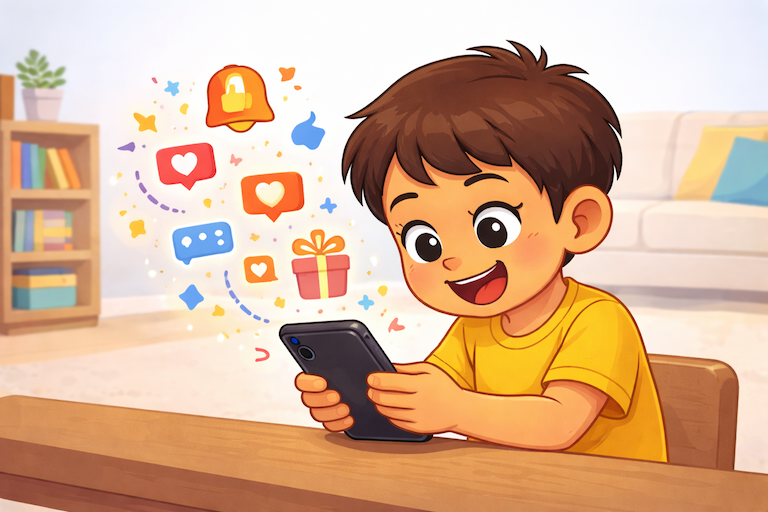
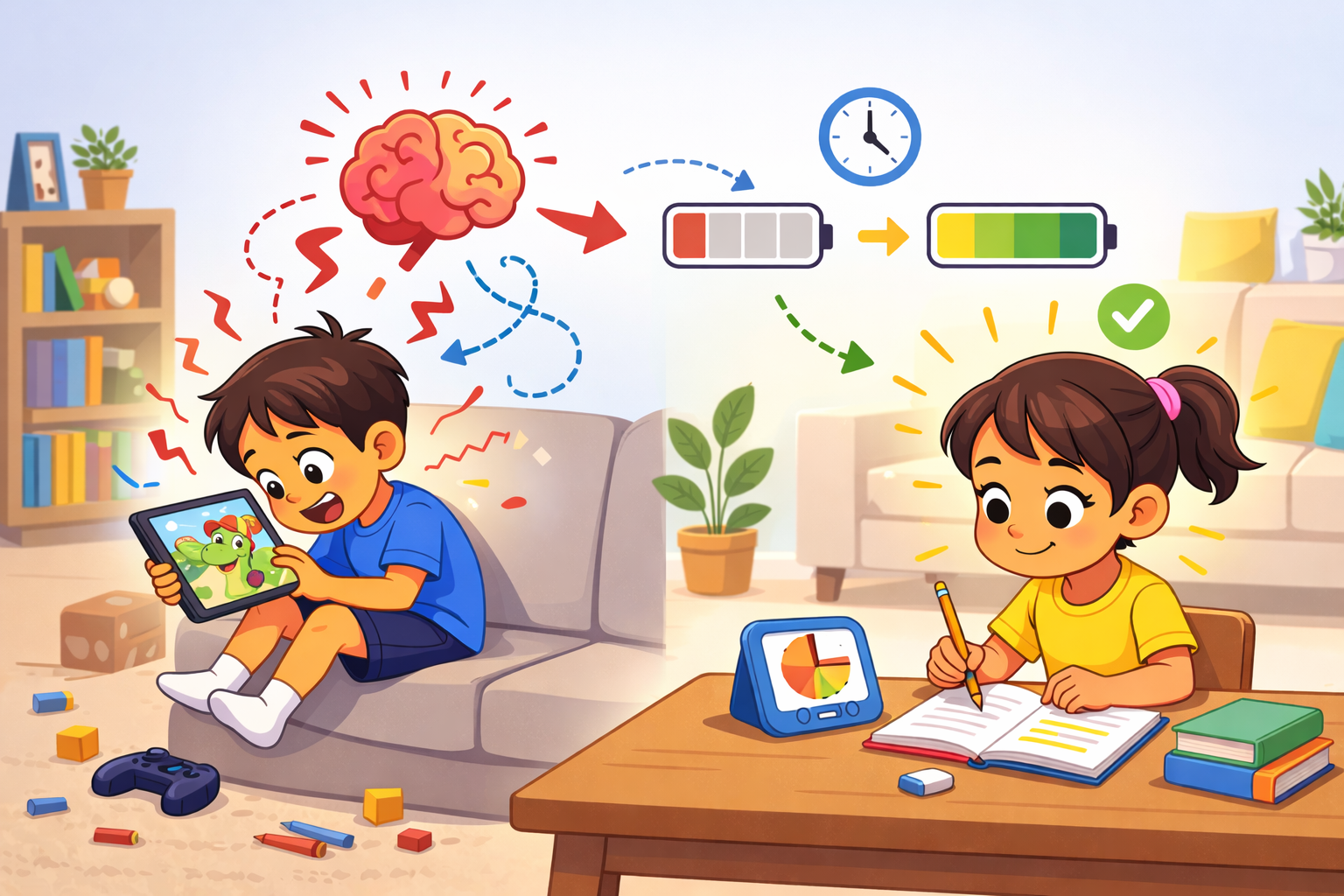
Modern media is fast by design. Scenes change quickly, sounds overlap, and stories move at a rapid pace meant to hold attention instantly. While this can be entertaining, young children’s brains aren’t built to process constant speed without cost. When everything moves quickly, there’s little space for thought, imagination, or emotional processing.
Slow media offers something different. It respects the pace of childhood. It gives young minds time to notice details, follow ideas, and rest between moments. Rather than pulling children forward relentlessly, slow media allows them to stay present.
Choosing slow media isn’t about rejecting technology. It’s about matching media to how young brains actually grow and learn.


What “Slow Media” Actually Means
Slow media isn’t defined by a single format or rule. It’s defined by how content feels and functions.
Slow media typically:
Moves at a gentle, predictable pace
Leaves space between ideas or scenes
Uses calm visuals and sound
Focuses on story, process, or everyday moments
This kind of media invites engagement without urgency, allowing kids to stay regulated while they watch or listen.
How Slow Media Supports Brain Development
Young children’s brains are still wiring attention, memory, and emotional regulation. Media that moves slowly works with this development instead of against it.
Slow media supports:
Sustained attention
Working memory
Emotional regulation
Cognitive flexibility
When kids aren’t rushed, their brains have time to integrate what they’re experiencing — which deepens learning and understanding.
Why Young Children Process Media Differently
Children don’t filter information the way adults do. Fast-paced media can overwhelm developing systems even when kids appear focused.
Slow media helps because it:
Reduces cognitive load
Allows emotional recovery between moments
Matches natural attention rhythms
This approach aligns with The Role of Technology in Early Learning: Finding the Sweet Spot, where pacing matters as much as content.
Emotional Benefits of Slower Pacing
Fast media often keeps emotions elevated without resolution. Slow media, by contrast, allows feelings to rise and settle naturally.
Parents often notice that after slow media, kids are:
Calmer
More reflective
Less irritable
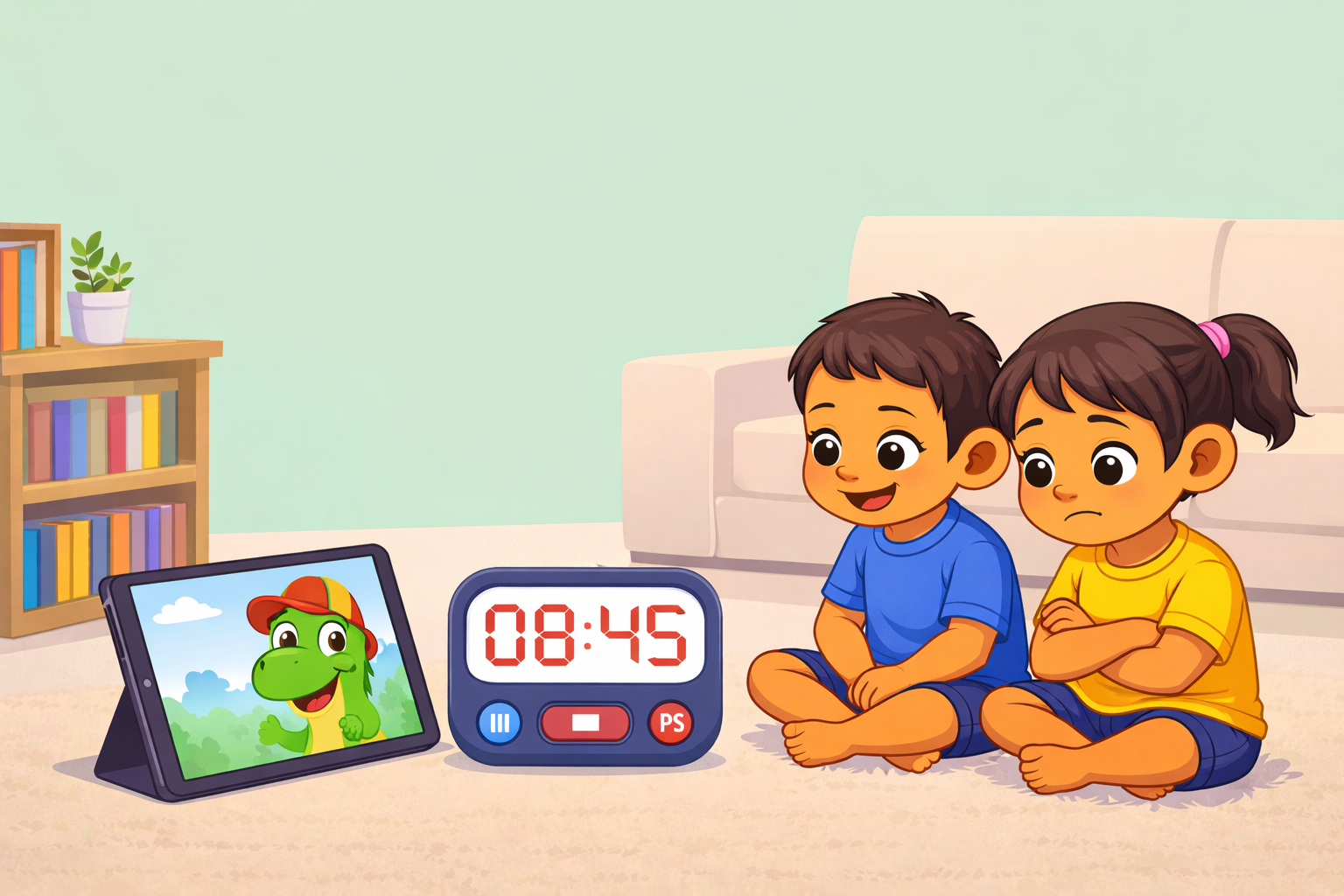
Better able to transition
This emotional steadiness supports daily routines and reduces post-screen meltdowns.
Slow Media vs. Background Noise
Many homes use media as background sound, assuming it’s harmless if no one is actively watching. But constant background stimulation still taxes the brain.
Slow, intentional media use:
Reduces constant sensory input
Allows silence and rest
Supports deeper focus
This difference connects closely with Replacing Background TV with Intentional Family Soundscapes, where sound is chosen thoughtfully instead of running endlessly.
Letting Children Set the Pace of Engagement
One of the quiet strengths of slow media is that it doesn’t demand constant attention. Children can drift in and out, reflect, or engage creatively alongside it.
Kids may pause, replay ideas mentally, or incorporate what they’re hearing or seeing into play. This self-directed engagement strengthens imagination and autonomy — without pressure to “keep up.”
Slow media gives children permission to interact on their own terms.
How Slow Media Encourages Connection
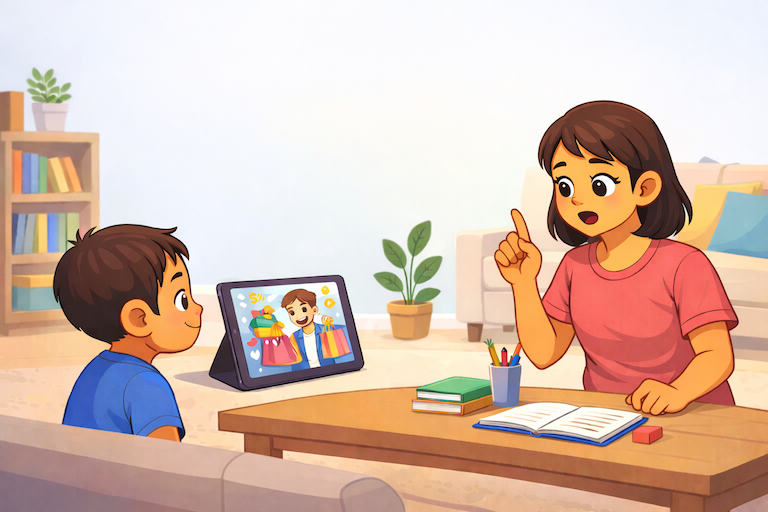
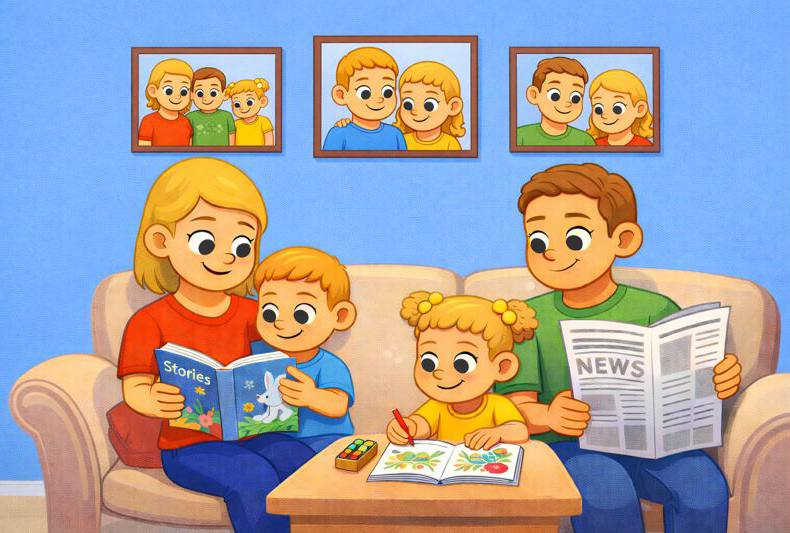
Slow media naturally invites togetherness. Because it’s less overwhelming, adults and children can share the experience more comfortably.
Shared slow media moments often include:
Sitting together without distraction
Casual conversation during or after viewing
Shared emotional reactions
These experiences echo Family Movie Nights That Spark Conversations (Not Just Screen Time), where connection grows from shared presence rather than nonstop stimulation.
Using Slow Media to Balance Busy Days
On days filled with school, activities, or social demands, children’s nervous systems need recovery. Slow media can act as a gentle reset.
Parents use slow media to:
Wind down after busy transitions
Create calm breaks between activities
Support rest without total disengagement
This makes slow media a powerful tool for balance — not just entertainment.
Pairing Slow Media With Offline Exploration
Slow media often sparks curiosity rather than ending it. Kids are more likely to carry ideas into play, conversation, or creativity afterward.
Families often notice kids:
Acting out scenes
Asking thoughtful questions
Creating related art or stories
This pairing supports Screen-Free Alternatives That Still Feel Fun, where media inspires rather than replaces real-world engagement.
Choosing Media That Respects Childhood
Slow media isn’t about doing more with screens — it’s about doing better. It respects that childhood is a time for depth, imagination, and emotional safety, not constant stimulation.
Families who embrace slow media often notice:
Calmer screen transitions
Longer attention spans
Richer play afterward
Less dependence on constant entertainment
This content is for educational purposes and is not a substitute for professional medical or psychological advice.