Using Technology for Family Creativity (Music, Photos, Videos)
Using Technology for Family Creativity (Music, Photos, Videos)
Why Creative Tech Use Feels Different Than Passive Screen Time
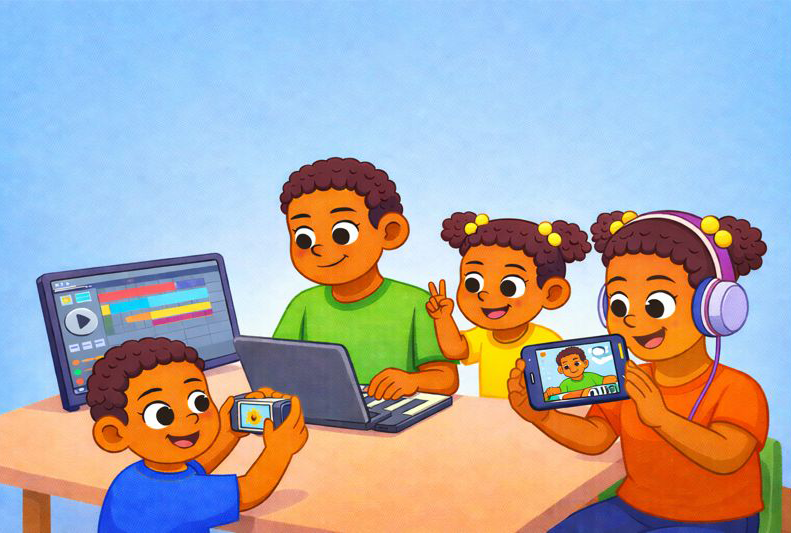
Not all screen time affects families the same way. When technology is used creatively — to make music, capture memories, or tell stories — it tends to energize rather than drain. Kids are more engaged, parents feel more connected, and screens feel purposeful instead of consuming.
Creative tech use shifts families from watching to doing. Instead of content flowing at kids, ideas flow out of them. This change alone reduces many common struggles around screens because creativity invites participation, choice, and collaboration.
Family creativity doesn’t require talent, expensive tools, or polished results. It requires permission to experiment together — and technology can make that easier than ever.


How Music, Photos, and Video Support Different Kinds of Creativity
Different creative tools engage different parts of a child’s brain. Together, music, photos, and video offer a wide creative spectrum.
These tools support creativity by:
Encouraging expression without right or wrong answers
Supporting emotional processing
Strengthening storytelling skills
Building confidence through making
When families rotate between formats, creativity stays fresh and flexible.
Why Family Creativity Builds Connection
Creative projects invite shared focus — something screens often pull families away from instead of toward.
Family creativity helps by:
Creating shared goals
Encouraging collaboration
Reducing performance pressure
Making memories together
These moments foster connection in ways passive entertainment rarely does.
Using Music Apps and Tools for Family Expression
Music is one of the most accessible creative formats. You don’t need instruments or lessons — just curiosity.
Families often use music tech to:
Create playlists together
Experiment with rhythm or sounds
Record simple songs or chants
Move and dance creatively
Turning Photos Into Storytelling Opportunities
Photos don’t just capture moments — they can spark imagination and reflection.
Creative photo activities include:
Telling stories from old family photos
Creating themed photo challenges
Re-enacting favorite memories
Sequencing photos into mini-stories
This approach connects naturally with Using Family Photo and Video Projects as Creative Learning, where familiar images deepen engagement.
Making Simple Family Videos Without Pressure
Video creation doesn’t need editing software or social sharing to be meaningful.
Low-pressure video ideas include:
Short skits or pretend shows
How-to videos made together
Family interviews
Stop-and-start storytelling clips
These projects mirror ideas in Encouraging Creativity Through Digital Storytelling Tools, where the process matters more than the product.
Letting Creativity Stay Messy and Unfinished
One of the biggest barriers to creative tech use is adult expectation. When projects feel like they must be finished or shared, creativity shuts down.
Family creativity works best when:
Projects can be abandoned
Results don’t need improvement
Laughter matters more than polish
Messy creativity builds confidence — and keeps kids coming back on their own.
Blending Online Tools With Offline Creativity
Creative technology works best when it spills into the physical world.
Families often blend creativity by:
Turning digital music into dance or play
Acting out video ideas with toys
Printing photos for crafts or displays
This balance reinforces Encouraging Balance Between Tech and Real-World Play, where screens support — not replace — hands-on creativity.
Using Creative Tech to Support Emotional Expression
Music, images, and stories give kids ways to express feelings they can’t yet explain.
Creative tech can help kids:
Share emotions safely
Explore moods through sound or imagery
Reflect on experiences
This emotional outlet supports regulation without requiring verbal processing.
Creating Simple Creative Rituals
Creativity sticks when it’s woven into routine rather than treated as a special event.
Creative rituals might include:
Weekly playlist-building
Monthly photo walks
Occasional family video nights
These predictable moments make creativity feel normal and accessible.
Raising Families Who Use Technology to Make, Not Just Watch
When families use technology creatively, screens stop feeling like something to manage — and start feeling like something to use together.
Families who prioritize creative tech often notice:
Less conflict around screens
Longer engagement without overstimulation
Stronger family connection
Kids who see themselves as creators
This content is for educational purposes and is not a substitute for professional medical or psychological advice.